So here's something I'd love to see the CS kitchen run some tests on. There's a lot of chatter in the Facebook "Cook With Joule" group where people take meat - typically beef - and marinade/cook it in fish sauce. Alternatively, they might use "fish sauce salt," such as that made by Red Boat, to do a dry brine. In any case, you're adding salt and protein-breakdown byproducts to the surface of the meat. This is supposed to emulate the effects of dry aging (or more intense wet aging.... or something). While that may be tasty, I don't think that any sort of textural change can be attributed to the fish sauce apart from that contributed by salt. The flavor is improved, sure. But is it "simulated aging"? It seems more like you're combining a brine with a marinade; the salt penetrates while the free glutamic acid and other flavor particles mostly hang out near the surface. And while adding tasty umami bits to the outside of meat will make it tastier (and can give it a whiff of funk) it does not really resemble the effects of extended dry or wet aging. I have also heard allegations that fish sauce somehow increases enzymatic activity. I have yet to see anything that backs up this allegation.
The Fish Sauce Technique is quite often paired with an ultra-low-temp "warm aging" SV cook step -- or steps. This technique cooks meat in the danger zone for several hours, sometimes at differing temperatures, to optimize the activity of particular enzymes that can tenderize meat (39C/103F for calpains and 49C/120F for cathepsins). After time at this low temp, the meat is either seared immediately for service or the temp of the water bath is raised high enough to kill off pathogens. Hopefully.
This technique is discussed in a few sentences in Modernist Cuisine, but some people took it as gospel and as the One True Path Toward A Better Steak. To me, it mostly seems like a good way to increase your risk of foodborne illness. From what I understand having glanced through the beef science literature, these enzymes have largely denatured and have minimal activity by the time they reach the end consumer. You can't boost the enzymatic activity of enzymes that aren't there anymore. Hence the reason for my skepticism.

 Sous Vide Holiday Turkey
 The Ultimate Guide to Espresso Drinks
 Tips & Tricks: Fizzy Fruit!
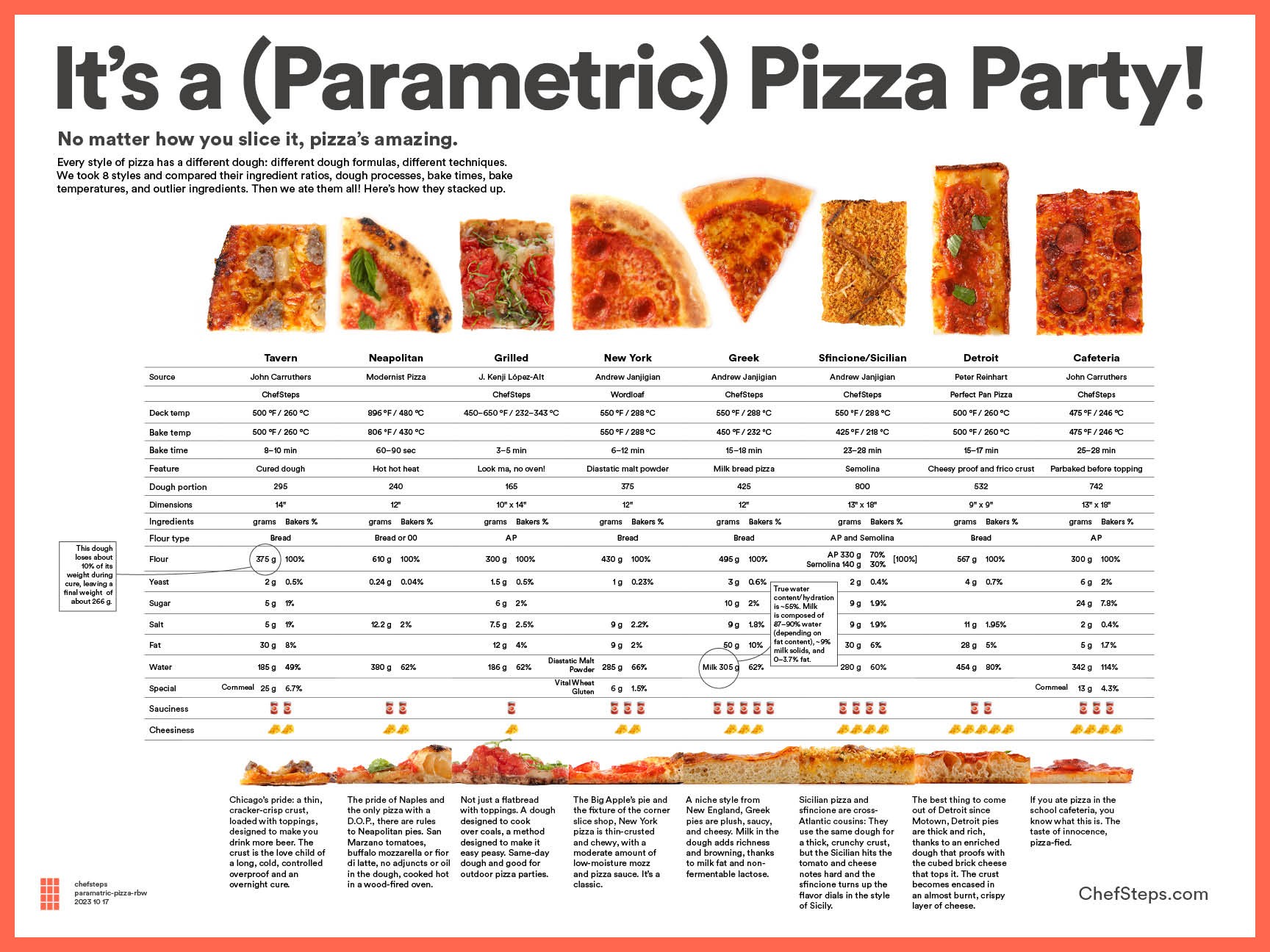 Pizza Doughs: A Parametric Analysis
 the Control Freak™ Home
 the Joule® Turbo Sous Vide
 the Joule® Oven Air Fryer Pro