So, legendarily cranky mixing board maestro Steve Albini (Nirvana, Pixies, PJ Harvey) keeps a cooking blog called Mario Batali Voice (heh).
It's a fun read, but I zeroed in on his latest post: a quick skillet bread made with yogurt as a starter accelerant. I know NOTHING about making breads, and this seems like a cool first recipe to try.
But I want to run it by y'all first to crowdsource any tweaks or improvements you might suggest.
Steve Albini's "recipe" in full:
I decided to make a quick soda bread incorporating all these possibilities to see if it would function more like conventional yeast bread suitable for full bread duty***.
I started the liquid medium with a couple of eggs, and when I reached in the fridge for the milk, I spotted a big tub of Bulgarian yogurt we'd bought on a whim at Andy's. Instantly I thought of a couple of reasons I should use the yogurt instead of milk. Yogurt has its milk proteins slightly curdled, concentrating and strengthening them, which might form a protein web with the gluten more readily. Also, the acid in the yogurt could be used to excite baking soda as a leavening agent, providing even more lift. I beat the eggs together with about an equal volume of yogurt. I don't know if Bulgarian yogurt is special, but it's pretty much like Greek yogurt, slightly less liquid than conventional supermarket plain yogurt. I had bought it because what the hell, Bulgarians can use my patronage, their roads are pretty fucked up. I added a couple of teaspoons of sugar and a pinch of salt to offset the tang of the yogurt, and it occurred to me that these three things, the yogurt's sourness, the salt and the sugar could all help to mollify the weird bitterness I associate with chemical leavening.
I melted some butter in a small non-stick skillet, about the size of an omelet pan but green and bought from the as-seen-on-TV store. These little things are great. They have a solid riveted handle, durable non-stick ceramic liner and are of heavier construction than anything else sold on TV. Definitely worth the six bucks or whatever. When the butter was melted I stirred it into the liquid mix and left the pan on the burner to heat.
I eyeballed the volume of the wet mix and made a scant pile of bread flour about the same volume in a small bowl, whisked-in a fat pinch each of baking soda and baking powder, then plopped them into the wet mix and stirred vigorously with a wooden spoon. The dough came together really quickly, and I could tell the gluten was already forming by the way the dough behaved on the spoon. It had the rubbery strands I associate with bread, not the wet, blobby consistency of a batter. The chemistry was also beginning to kick in, and I could sense the dough beginning to lighten and rise, so I got it in the now-hot skillet and quickly flattened it into a disc.
One trick I learned from Jacques Pepin's bread was to put a couple tablespoons of water around the perimeter of the bread and cover it to make steam, even out the temperature and encourage the bread to rise rather than settle. I lowered the heat on the skillet to medium and let it rise. In the past when I'd made skillet bread the top had an unappetizing flat color, so I turned on the broiler to remedy that.
After less than two minutes, the bread had risen inside the skillet and looked almost set, so I put the skillet under the broiler to finish, and that turned out to be the magic touch. The crust of the bread rose and smoothed itself, then browned nicely in a couple of minutes. Out from under the broiler, the loaf looked awesome; tight, smooth and nicely browned. I turned it out from the skillet and let it rest on the counter. From outward appearances, it appeared I had just made legit bread in like five minutes. I don't know if I could get as nice a finish by doing the loaf start-to-finish in the oven, but I suppose that's my next experiment. Nah, who am I kidding. If I can make legit bread in like five minutes this way, I'm going to keep doing it this way. Regular bread goes in the oven, this is for when I'm out of bread.
The proof is in the eating, and this bread was terrific. The butter in the mix kept the crumb moist and soft, but the bread had a nice sponge that held together when dunked in soup, and behaved basically like legit bread. The flavor was nice, sweet and slightly eggy, like challah bread or brioche, but I detected none of the creepy chemical quality I was worried about and fuck me, this was great news. I invented a bread. Now I know how Tesla felt when he first drew lighting out of one of his contraptions. Or Thomas Edison. Or Alexander Graham Bell. Or the first guy to do a pick slide to start a solo. Après moi, le déluge de pain frais de la skillet vert.

 Sous Vide Holiday Turkey
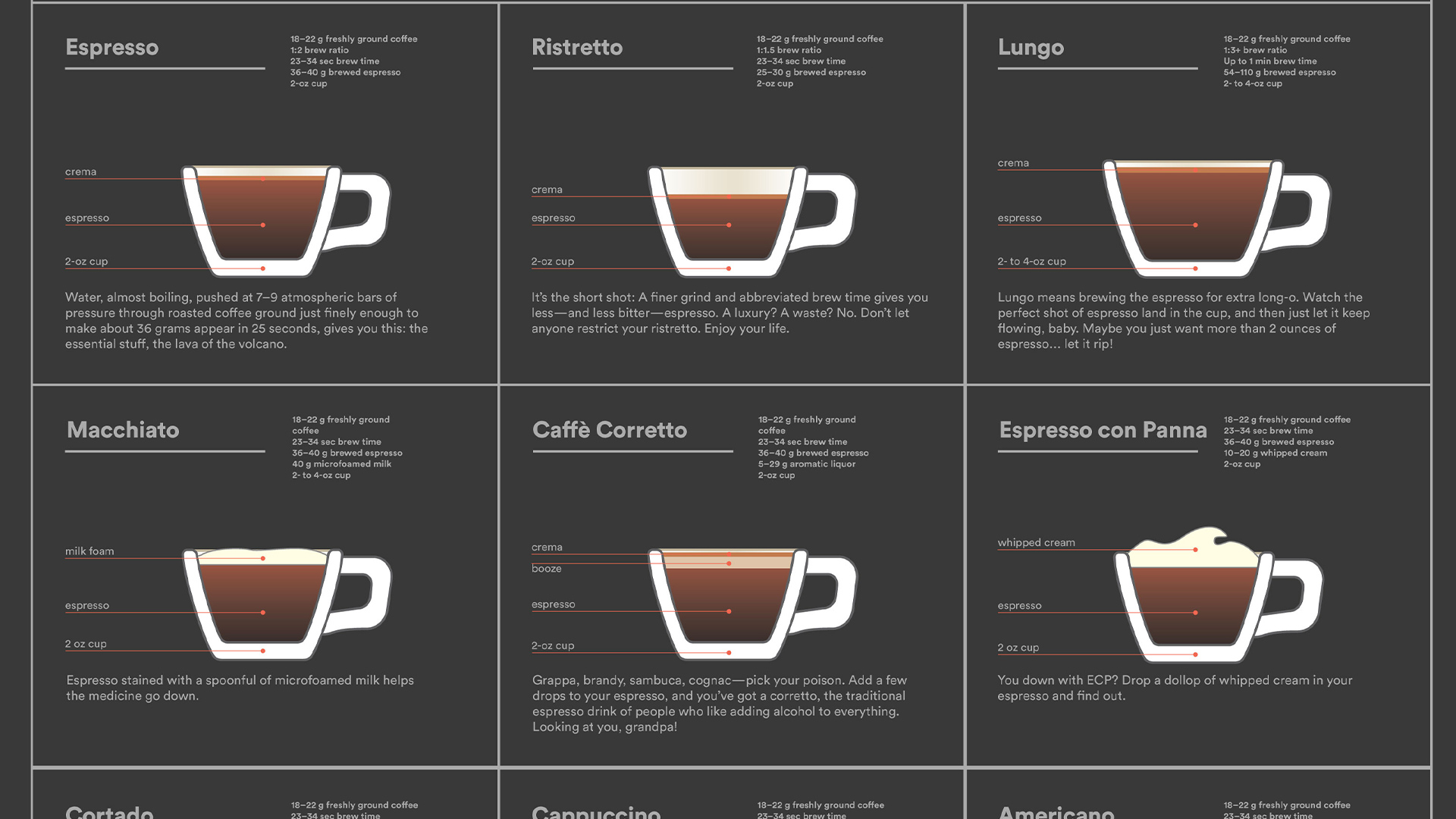 The Ultimate Guide to Espresso Drinks
 Tips & Tricks: Fizzy Fruit!
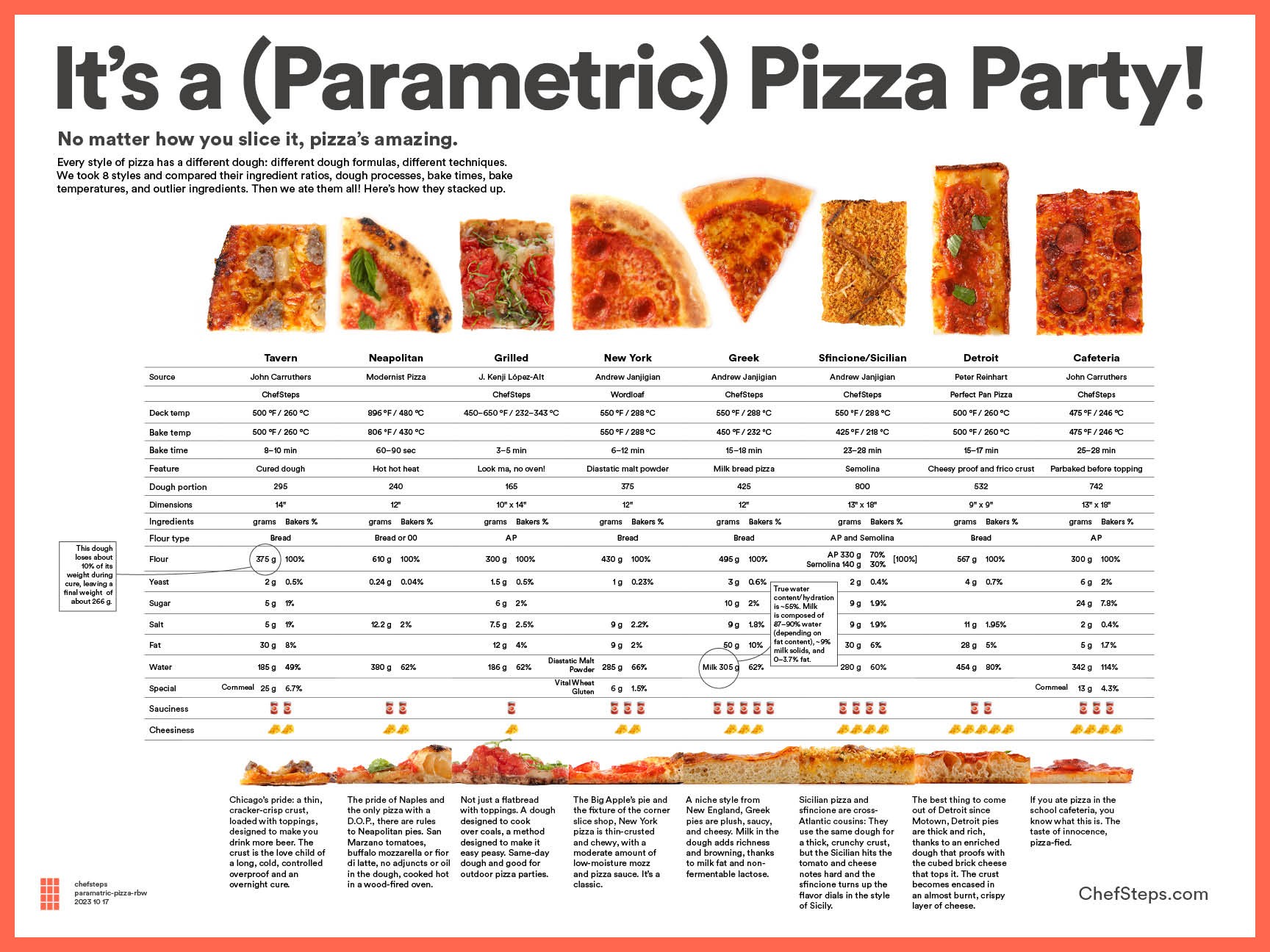 Pizza Doughs: A Parametric Analysis
 the Control Freak™ Home
 the Joule® Turbo Sous Vide
 the Joule® Oven Air Fryer Pro


