Just wanted to check that I've understood some stuff correctly. Would you please be so kind as to poke holes in the following? :-)
When you put cold food together with a heat source, physics works to establish an equilibrium of temperature - either by making the heat source colder (which it can't do) or by making the food hotter, until the temperatures match. When we cook in an oven or in a pan, the heat source is always much hotter than the temperature we actually want the food to reach - so we have to make sure we take the food away from the heat source before it gets too close to that equilibrium.
Then the food continues to establish equilibrium within itself because the heat is directional (even in a fan oven, the heat is directed 'from the outside' of the food) - the slightly-cooler inside part of the food seeks equilibrium with the slightly-hotter outside part, and so gets a bit hotter. (The outside part also gets cooler, both by losing heat to the slightly-cooler inside part, and also by losing heat to the surrounding air).
Once food has reached a particular temperature throughout, if you keep it in equilibrium at that temperature, no further significant changes will take place. This is because the processes in the food are sort of binary - either there's enough energy for them to happen, so they do, and consume the energy, or there's not enough energy for them to happen, so they don't, and the energy is returned to the environment. If the food is in equilibrium, then it's returning all the energy you're putting into it, which means no further processes can be happening - there's no energy to carry them out with.
This might appear not to account for processes that can 'half-happen', like boiling an egg - an egg isn't 'boiled or not,' there's a whole range of boiled-nesses that an egg can be. But this binary-process thing is on a much smaller scale than that; when you boil an egg, you're doing something to the protein chains (? straightening them I think?), and the protein chains are of different lengths, so they require different amounts of energy to straighten. So for a given protein chain, either there's enough energy for it to straighten, or there isn't (and it just stays curled up). When an egg is 'half' boiled, it's not that the protein chains have half-straightened (i.e. they're all still not quite straight) - it's that half of them have straightened, and half of them haven't. The ones that haven't require more energy to be available in order to straighten, which means you'd need to raise the temperature; but if you don't, the egg will stay as it is.
Does that all sound about right?

 Sous Vide Holiday Turkey
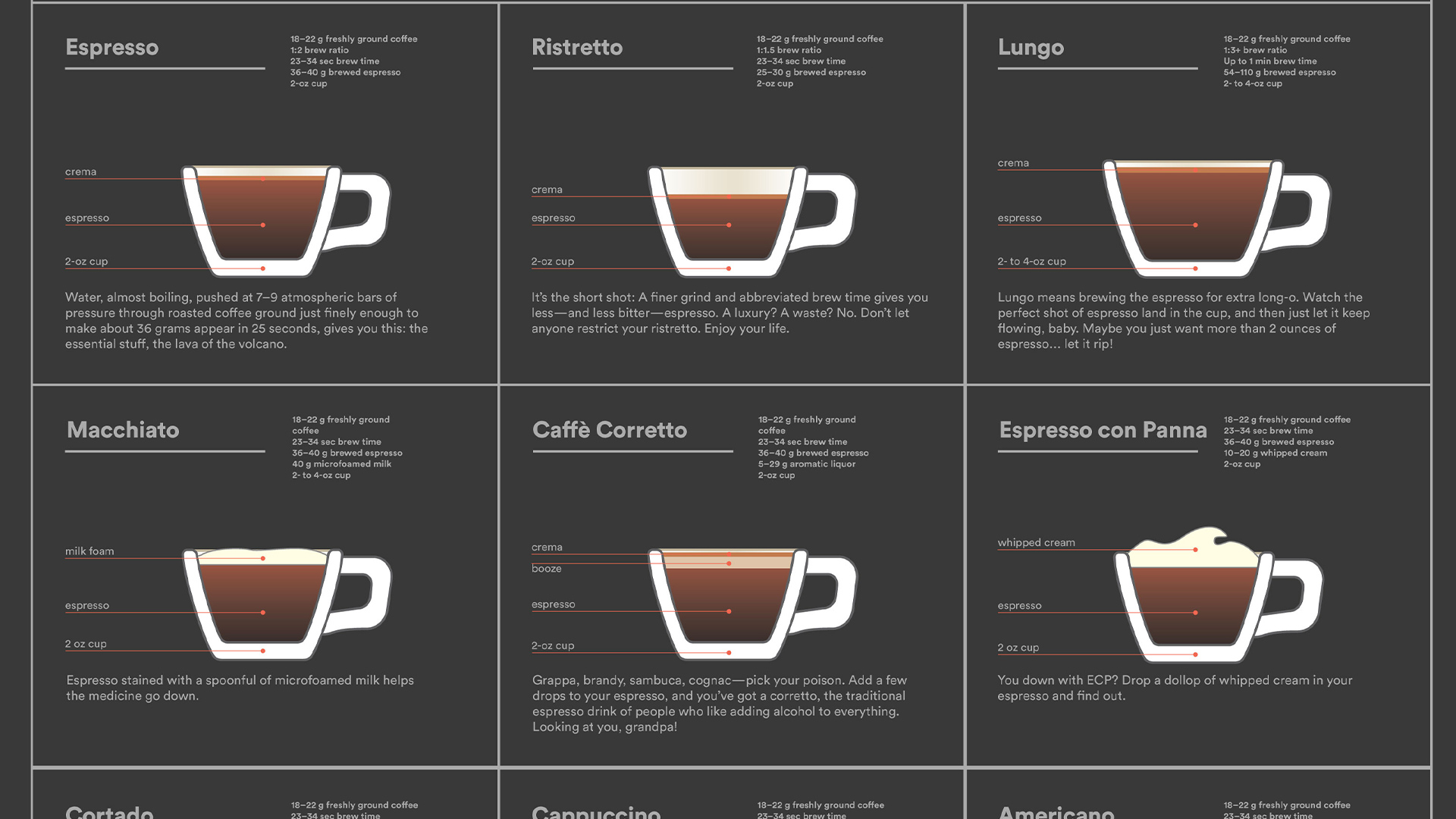 The Ultimate Guide to Espresso Drinks
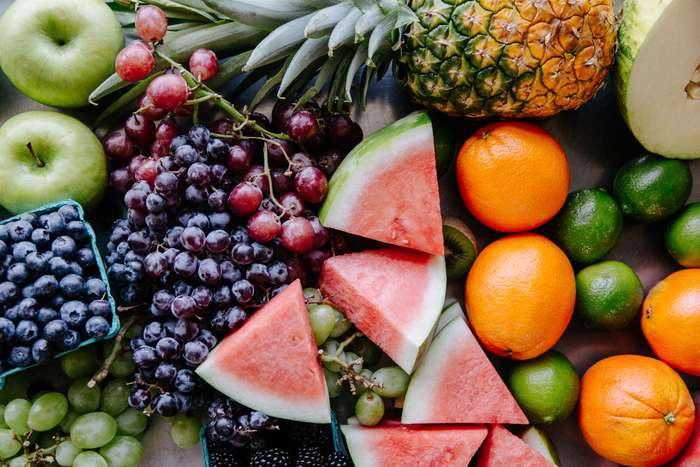 Tips & Tricks: Fizzy Fruit!
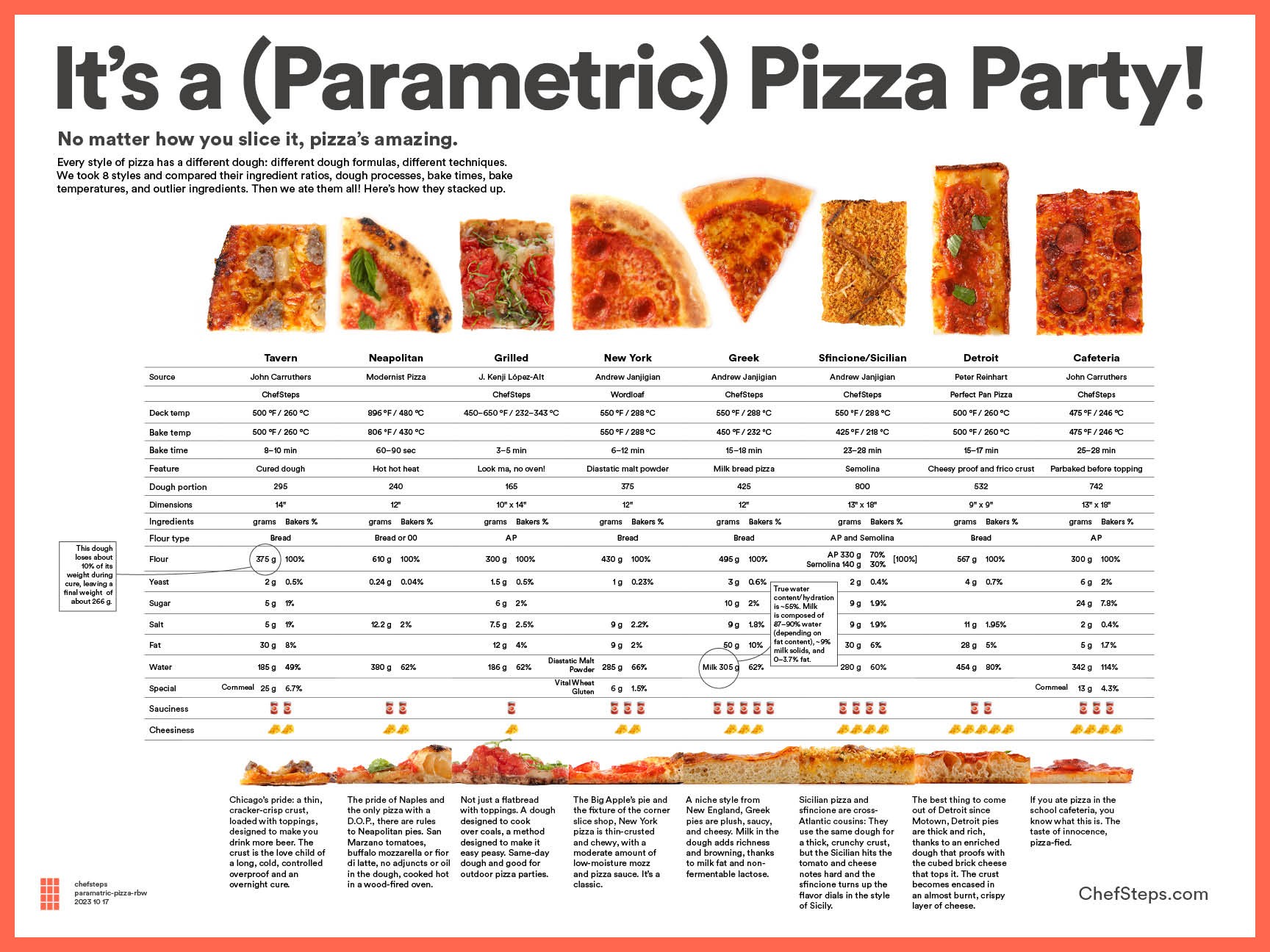 Pizza Doughs: A Parametric Analysis
 the Control Freak™ Home
 the Joule® Turbo Sous Vide
 the Joule® Oven Air Fryer Pro