- Hello, My name is Danny from North Alabama. I'm an inventor of sorts and have an idea of using reverse spherification to make a product for industry. I would like to put calcium lactate in a sphere about 20-30 microns in size. I would like to have the shell relatively hard with as much free lactic in the sphere as possible. I have the process in mind to produce the narrow size range I need. Here are my questions for those in the community that have experience with this process: 1) Is there a particular ratio of calcium to lactic acid that is needed to have the calcium react with the Na Alginate such that a hard outer surface is formed with liquid inside? 2) Is it a function of time/reaction rate in the alginate along with the amount of Calcium available? 3) Once the desired hardness is achieved, can the spheres be washed free of the alginate and stored in water solution. 4) What would be the shelf life of a product like this?
Would love to hear thoughts, opinions, conjecture and theories on this before I dive off into testing.
Thank you,
Danny

 Sous Vide Holiday Turkey
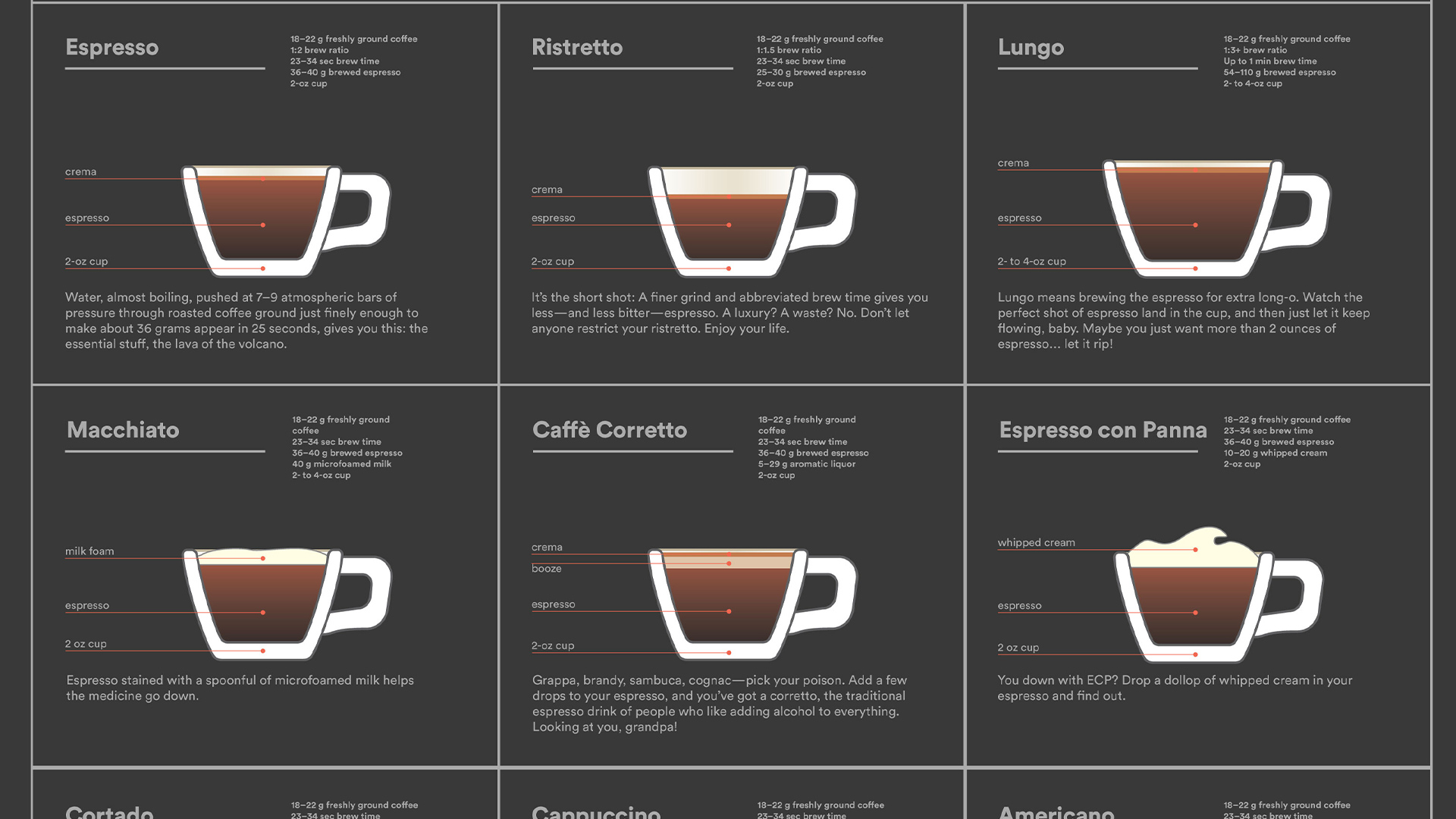 The Ultimate Guide to Espresso Drinks
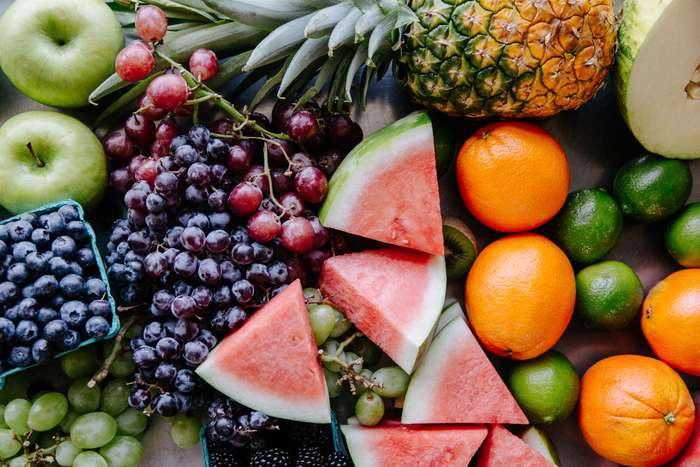 Tips & Tricks: Fizzy Fruit!
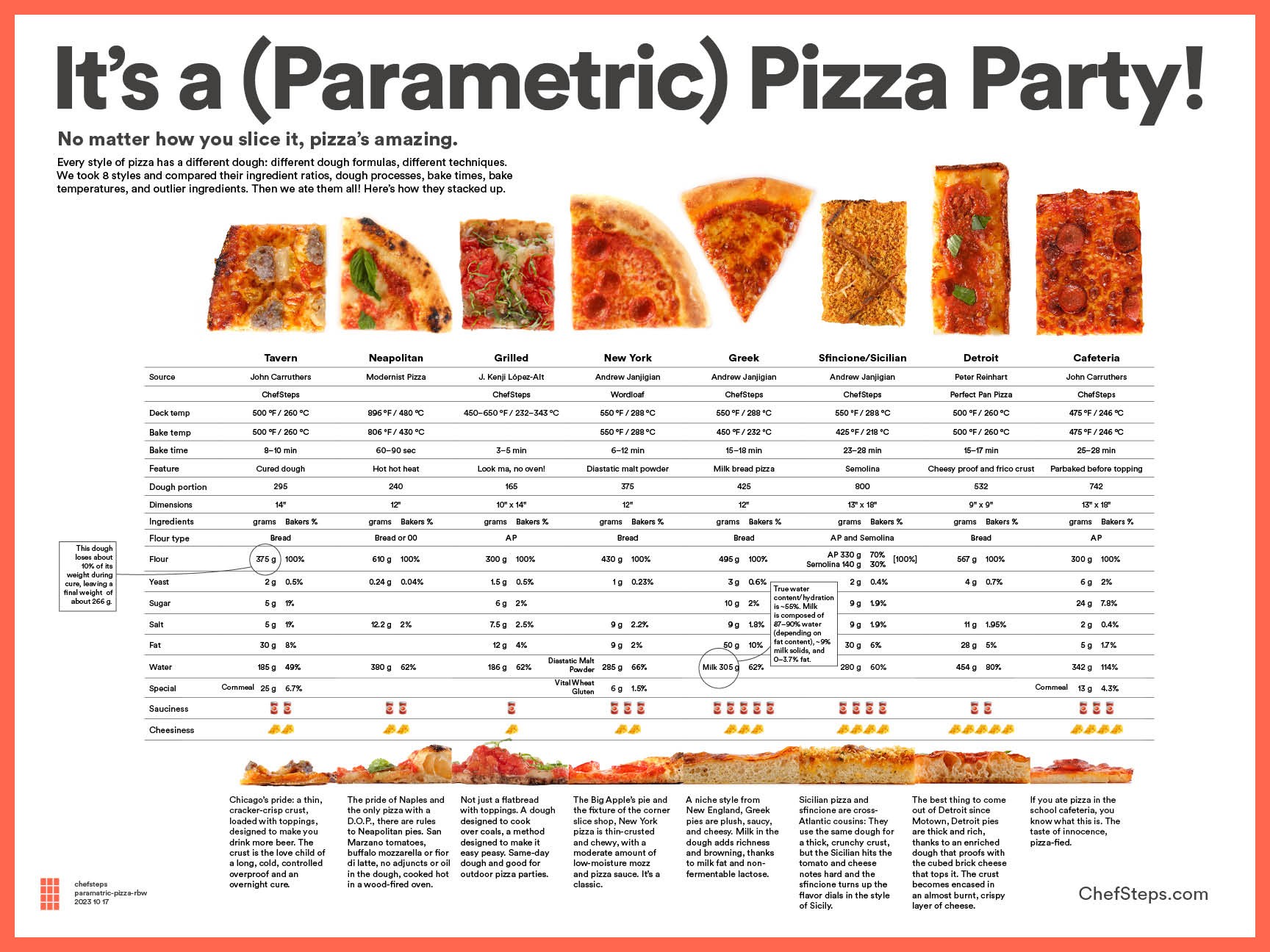 Pizza Doughs: A Parametric Analysis
 the Control Freak™ Home
 the Joule® Turbo Sous Vide
 the Joule® Oven Air Fryer Pro