Though its practical relevance is, well, debatable, as I suspect there are a lot less centrifuges out there than vacuum chambers, I find some of its benefits quite appealing compared to the other methods. It can also be considered as another use case trying to justify owning a centrifuge...
Centrifuges separate components of a liquid mixture based on their density and particle size.
Air has a very low density, thus the difference between its density and the average density of the liquid mixture is usually a lot larger than the difference between the densities of the mixture's components. Furthermore, the size of air bubbles is usually a lot larger than the particle size of the mixture's components.
This means that a centrifuge can force air bubbles to the surface before the mixture's components start to separate. I found that already a moderate speed of 1000-1500RPM for 1-2 minutes tends to be enough to bring all bubbles to the surface in mixtures where they would never rise otherwise (e.g. thicker fluid gels). The bubbles don't pop, but form a foam on top that can be simply scraped off or blowtorched into oblivion.
At these speeds the forces are not yet that strong, so no need for special centrifuge bottles. Their narrower opening would presumably make removing the foam a pain anyway. I usually spin and store in the same round plastic storage containers, sparing the transfer from one container to the other. I even tried it with standard twist-off jars, worked great, though that's not something I would recommend.
Pros:
- no splatter (I presume the popping bubbles in a chamber vac cause some splatter; never had he chance to try),
- no risk of overflow, because the mixture doesn't expand,
- can spin directly in storage containers, if rotor allows, i.e. in swing-out buckets,
- bigger batches, depending on rotor capacity,
- doesn't need a chamber vac

Cons:
- bubbles don't pop, but form a foam "crust" that have to be removed (scraped or torched),
- must balance containers,
- needs a centrifuge


 Sous Vide Holiday Turkey
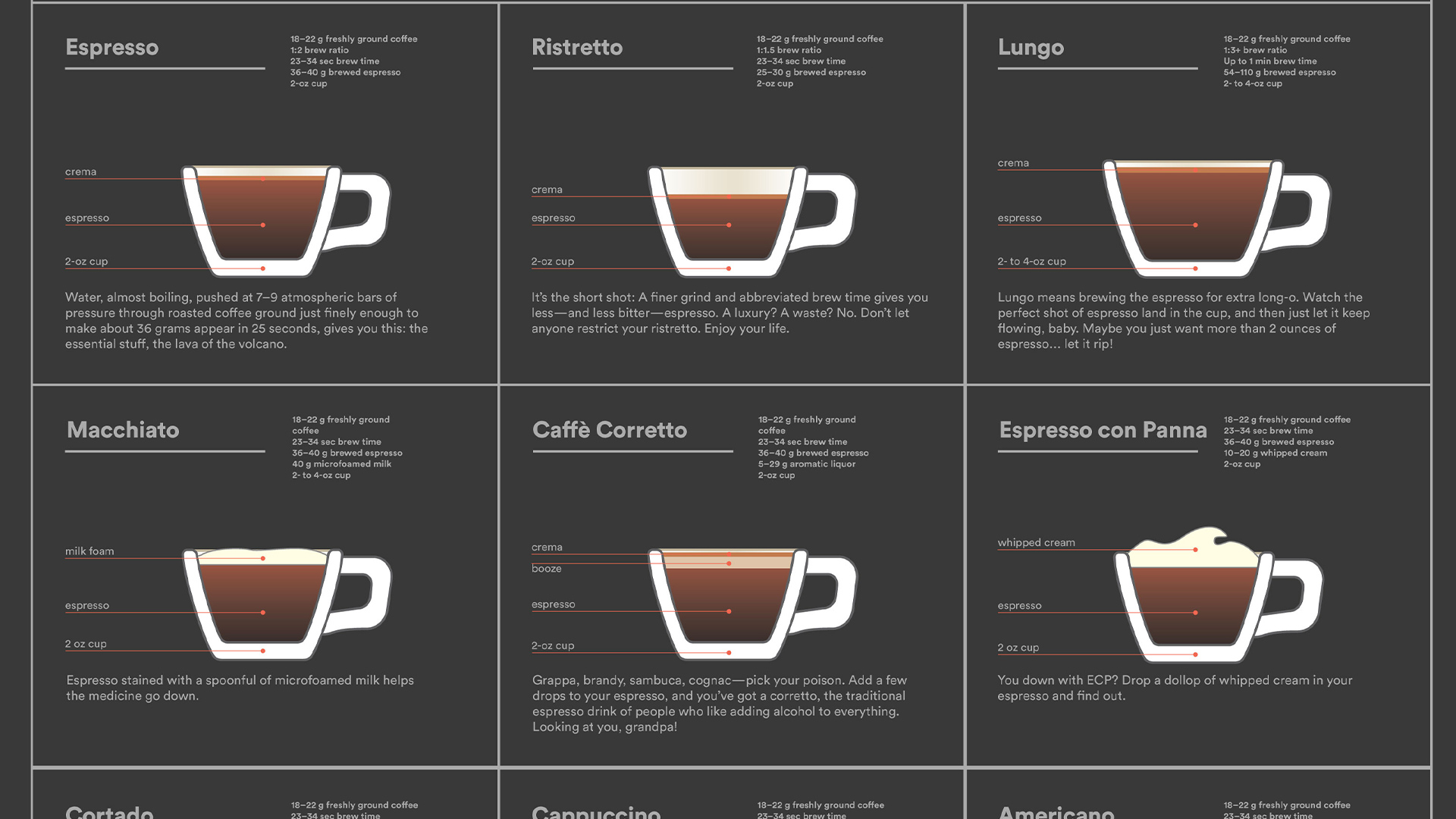 The Ultimate Guide to Espresso Drinks
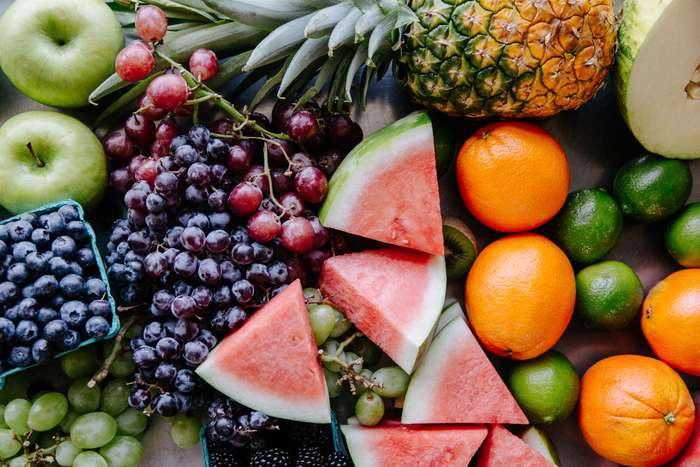 Tips & Tricks: Fizzy Fruit!
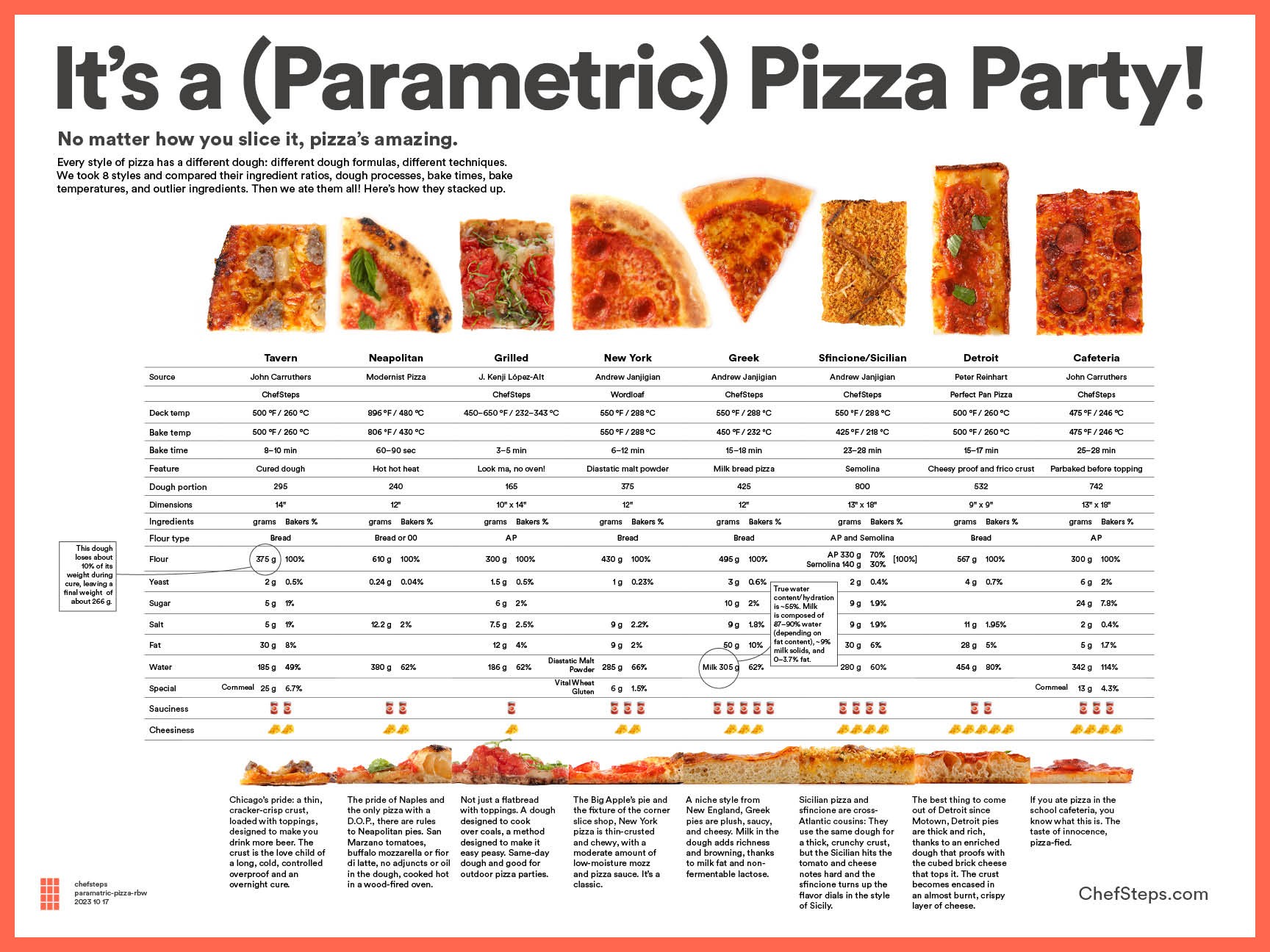 Pizza Doughs: A Parametric Analysis
 the Control Freak™ Home
 the Joule® Turbo Sous Vide
 the Joule® Oven Air Fryer Pro


