I've been experimenting with Sous-B-Q for several months, and I've discovered a workflow to get consistent, off-the-chain results for damn near any cut of meat. You need to first answer 4 questions:
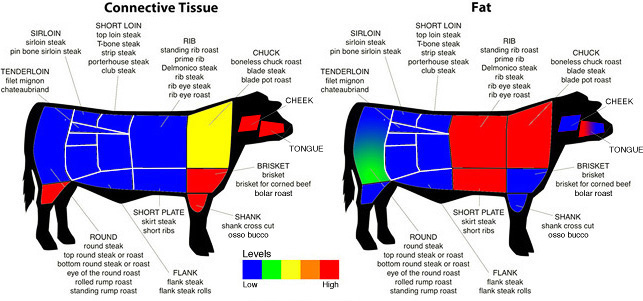
1. Is this a high-collagen or low-collagen cut? This depends on where on the animal the cut comes from.
2. Is this a high-fat or low-fat cut? This also depends on where the cut comes from. Here is a diagram to guide you:
3. What color and texture do you want in the final product? Use your favorite doneness scale (I like Meathead's on
AmazingRibs.com, but there are plenty of others). The parameters are simply how you like your actin (texture), hemiglobin (color), and moisture content.
4. What surface texture do you want in the final product? The range goes from slow cooker mush to smoked brisket crunchy bark.
Then just pick the right workflow for your answers:
I. Denature collagen into gelatin, if present (from Question 1):
a. 6-12h@130˚F - Optimal collagen denaturing on young animals (veal/lamb)
b. 24-48h@130˚ - Optimal collagen denaturing in mature animals (pork/beef/buffalo)
II. Set desired texture (from Question 3), min 140˚ for high-fat cuts (Question 2):
a. 1h@wherever for steaks
b. 2h@wherever for roasts
III. Shock to optimal temp for finishing:
a. 32˚ (ice bath) for smoking (or storage), patted dry in a clean bag
b. 120˚ (hot tap water) for broiler, torch, or charcoal chimney sear
c. 100˚ (warm tap water) for griddle or offset kettle sear
IV. Finish surface
a. Smoke (smoker or Weber kettle @ 250˚)
b. Offset sear (Weber kettle @ 450˚)
c. Direct sear
i. grate over charcoal (standard, chimney, inverted chimney)
ii. propane/butane torch (including Searzall)
iii. griddle @ 500˚
iv. broiler
Note that you need to do a surface prep at each step. I typically do nothing for Steps I-III; I then pat dry and apply my desired rub before Step IV.
Cheers.

 Sous Vide Holiday Turkey
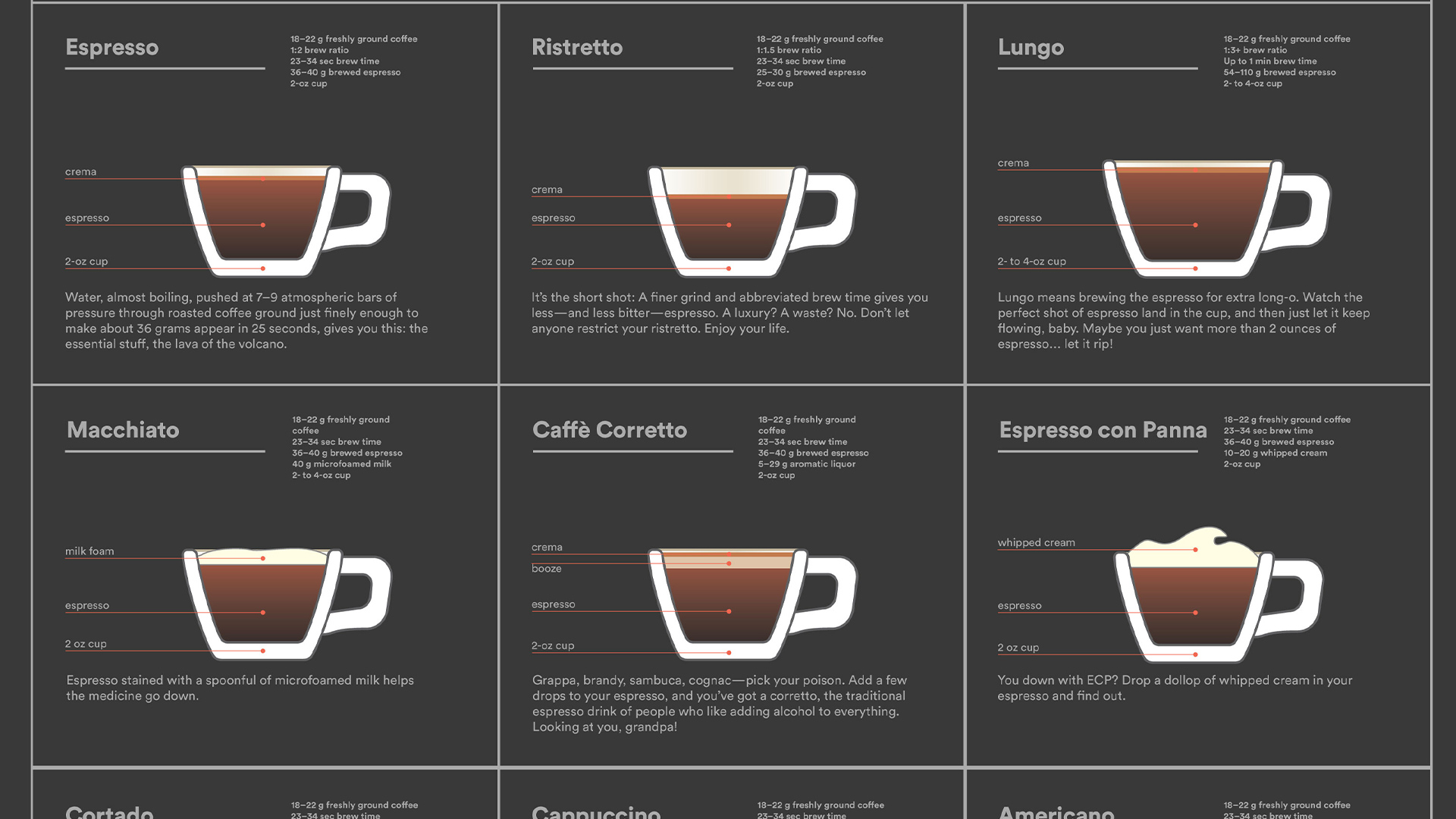 The Ultimate Guide to Espresso Drinks
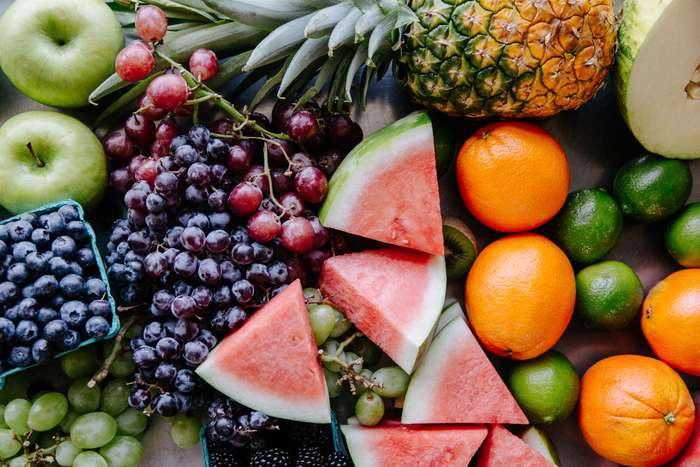 Tips & Tricks: Fizzy Fruit!
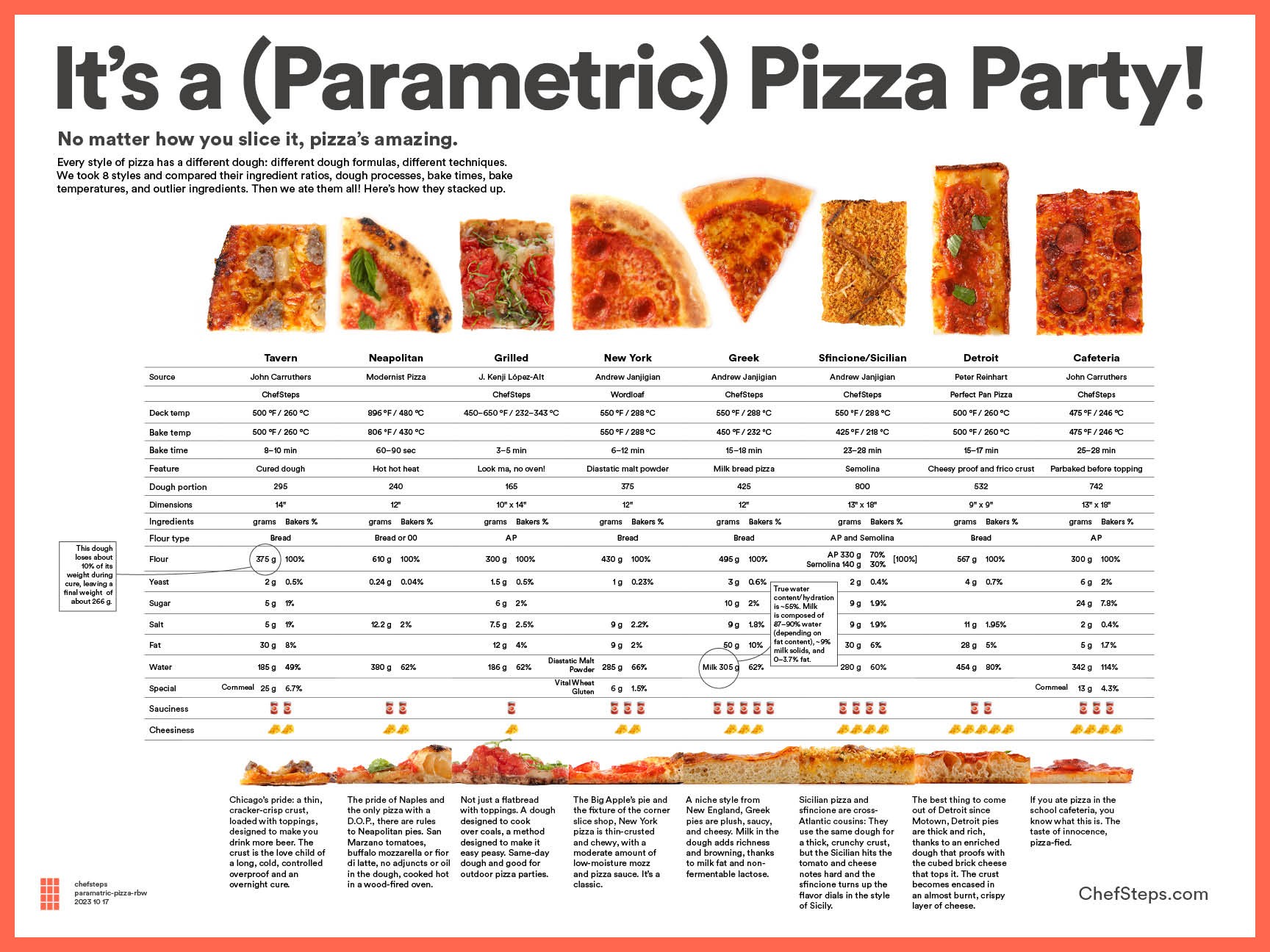 Pizza Doughs: A Parametric Analysis
 the Control Freak™ Home
 the Joule® Turbo Sous Vide
 the Joule® Oven Air Fryer Pro