A few people have asked about the safety of the plastics used in sous vide cooking. Here is our answer:
As most of us know, media reports have raised concerns about chemicals leaching into foods and drinks from their plastic containers. Many people are concerned that plastics used in sous vide packaging contain harmful chemicals that can leach into food during storage and cooking.
We've looked into this issue extensively. According to the latest research, the safest plastics for use with food are high-density polyethylene, low-density polyethylene, and polypropylene. Virtually all sous vide bags are made from these plastics (the inner layer of nearly all sous vide bags is polyethylene). Most name brand food storage bags and plastic wraps such as Saran Wrap are also made from safe plastics like polyethylene. It's our opinion, after an extensive review of the scientific literature, that concerns about the safety of sous vide bags are misplaced.
Indeed, other plastics in your kitchen are where we focus our concern. Inexpensive, bulk plastic wraps are often not as safe. These products are still commonly made from polyvinyl chloride or polyvinylidene chloride, which can contain harmful plasticizers that have been shown to leach into fatty foods such as cheese, meat, or fish. Legitimate concerns exist about food exposed to these plastics at higher temperatures, such as when you microwave food wrapped in these plastics.
What should you do? Polyethylene-based plastic wraps are available at only slightly higher cost and do not raise such concerns. You can tell the difference because the PCV plastic wraps are very stretchy, whereas the safer polyethylene wraps are, frankly, not as good.
Another area for concern are the clear, rigid, plastic storage containers common in professional kitchens. These are made from polycarbonate. These plastics are a cause for concern because they contain bisphenol-A (BPA), a chemical that can disrupt hormone activity and can leach into food or beverages. Cracks and crazing due to wear and tear increase the rate at which BPA leaches out of polycarbonates. If you are concerned about BPA contamination, however, replace any polycarbonate containers that have cracks or crazing. Thankfully, newer polycarbonate containers are now, mostly, BPA-free as a result of the massive amount of media attention this controversy has received over the last few years.
Chris

 Sous Vide Holiday Turkey
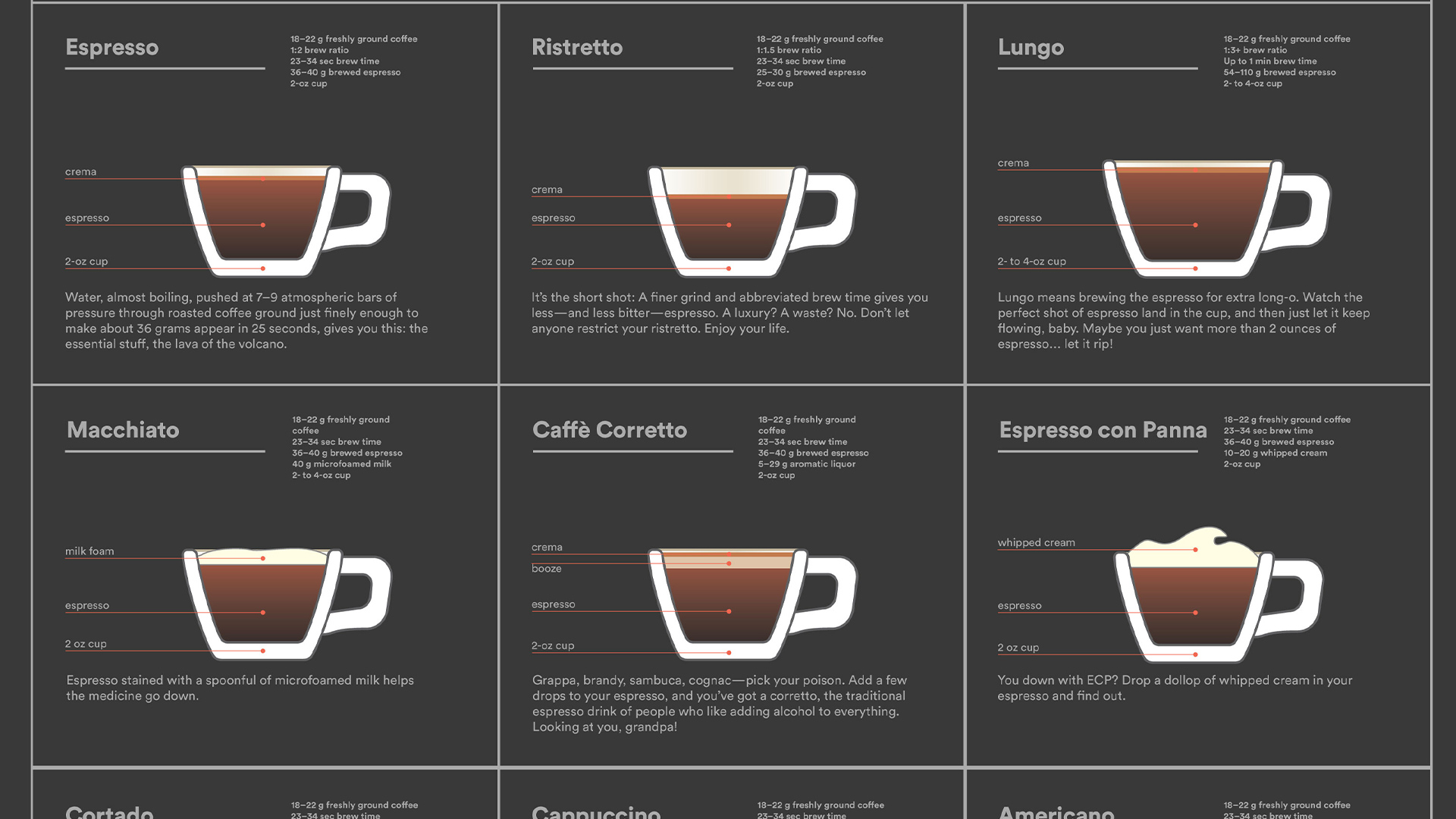 The Ultimate Guide to Espresso Drinks
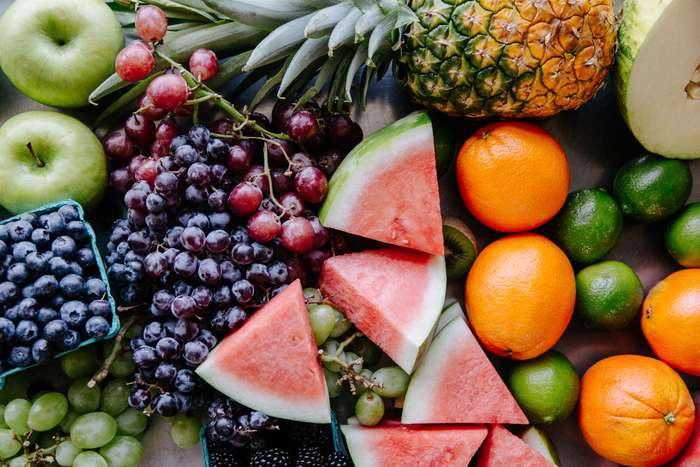 Tips & Tricks: Fizzy Fruit!
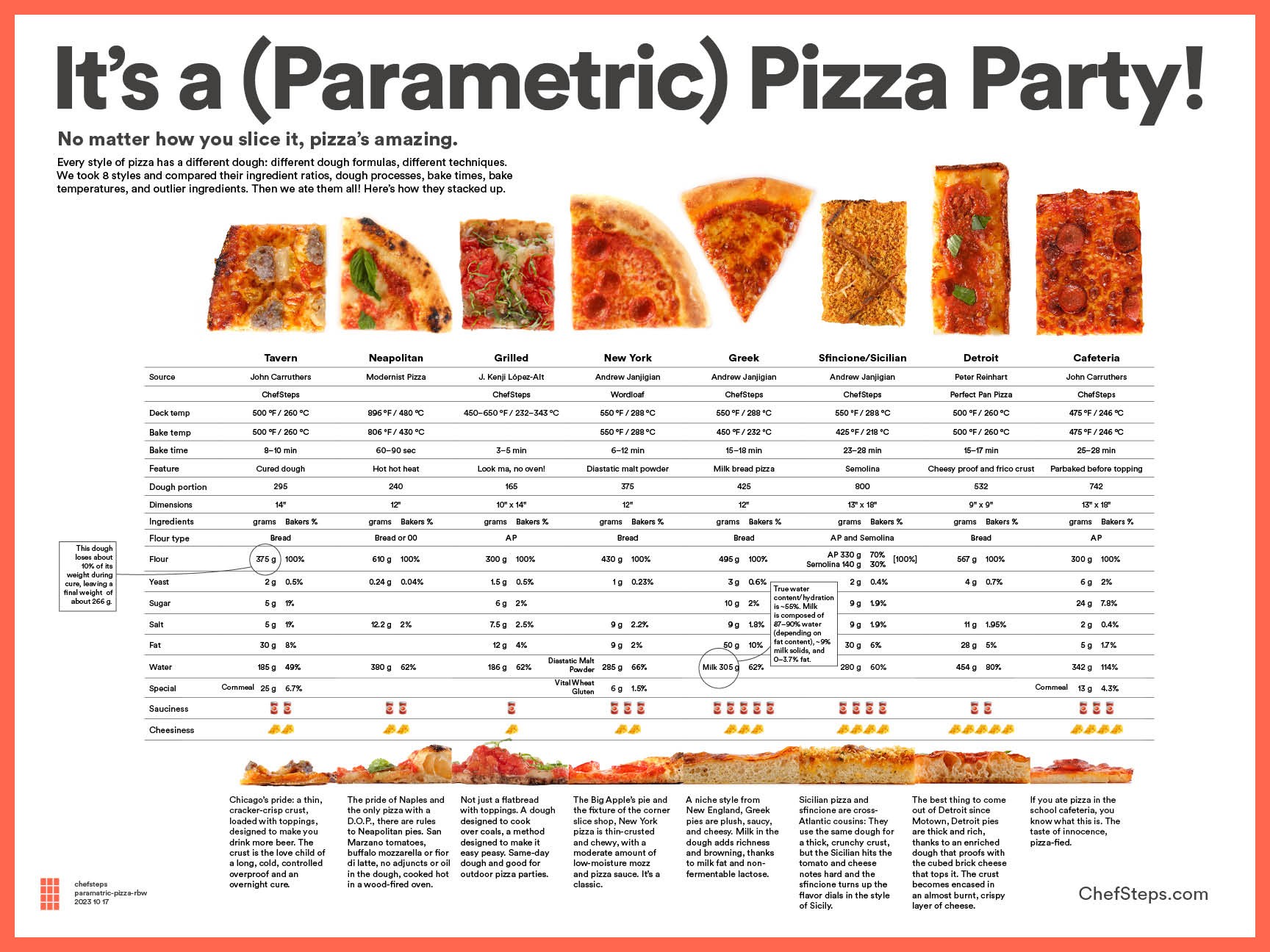 Pizza Doughs: A Parametric Analysis
 the Control Freak™ Home
 the Joule® Turbo Sous Vide
 the Joule® Oven Air Fryer Pro