For the last few days I have had the time to play with my latest kitchen toy, a Thermo Scientific Heraeus™ Multifuge X1R Centrifuge, fitted with the Fiberlite F15-6x100y Fixed-Angle Rotor. For those not up with Thermo Scientific's nomenclature, the centrifuge is refrigerated (R; -10°C to 40°C); the rotor holds six 100ml tubes (6x100) and it is rated to 15,200 rpm (15) or 25,000 x g. At 360mm H x 623mm W x 605mm D and 91.5kg, it is not a piece of kitchen equipment you place in a back cupboard and pull out when needed.
The first thing I spun was pureed watermelon, unfiltered.
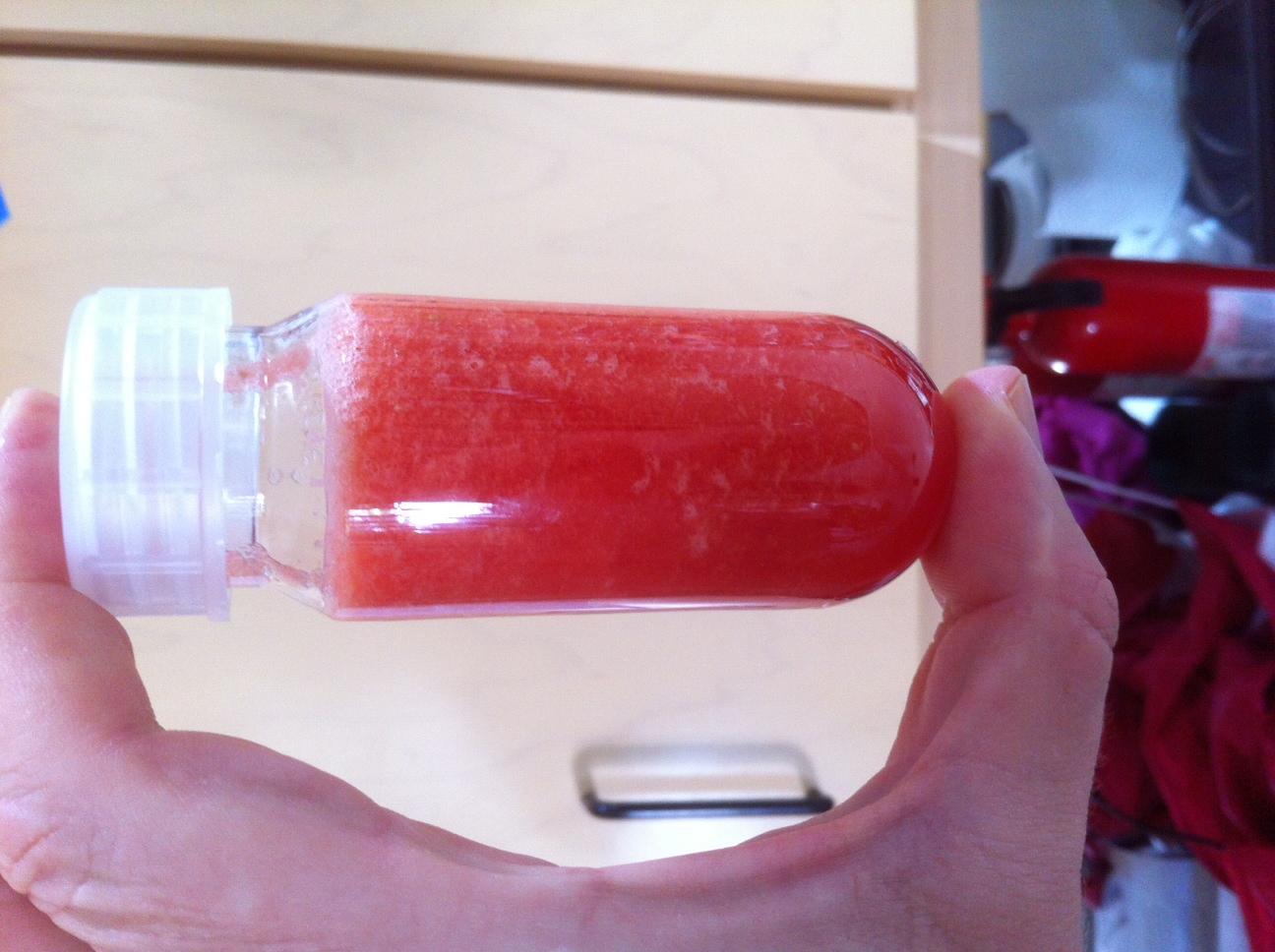
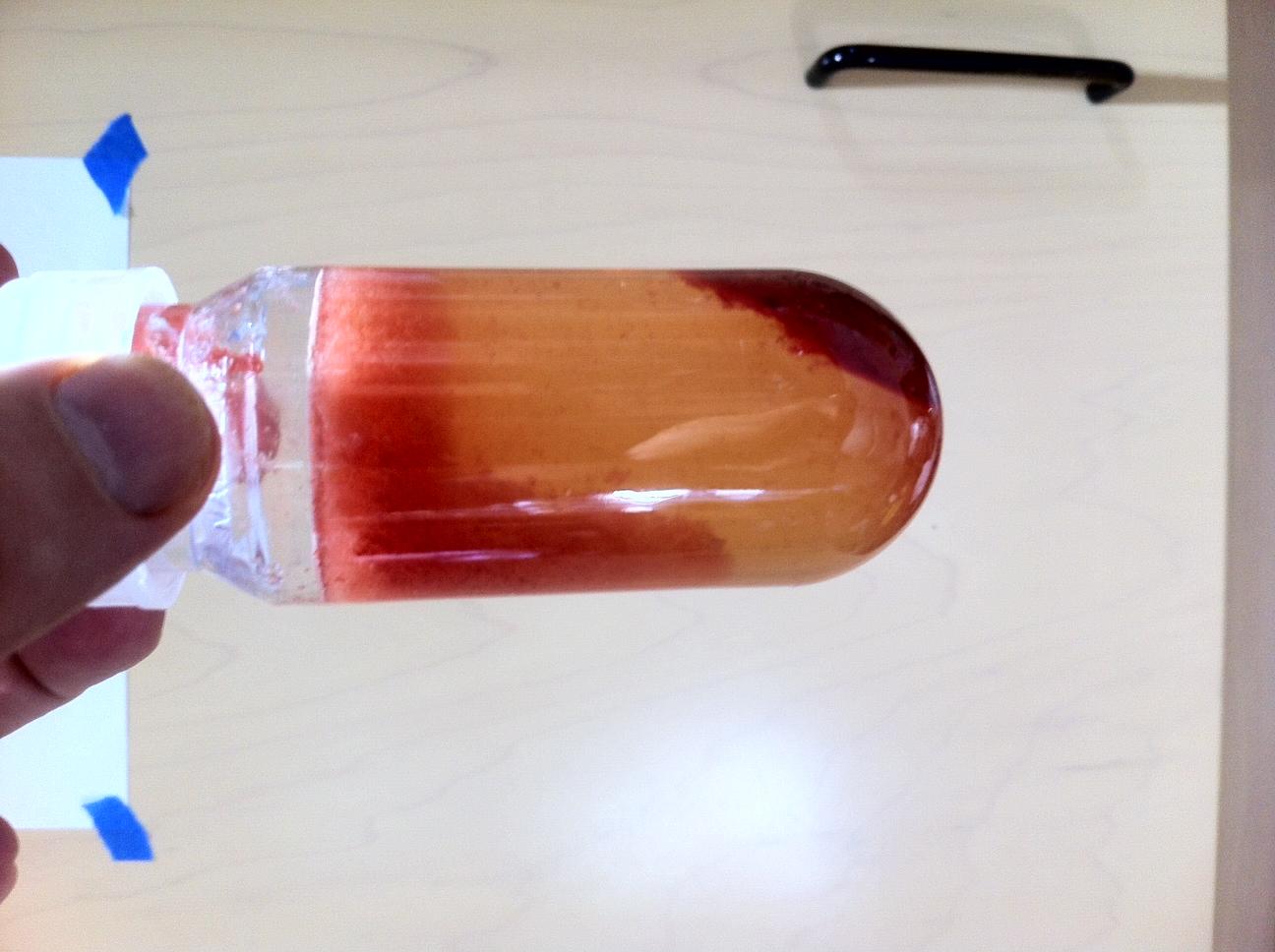
After 10 minutes at 5°C at 15,000 g. Yield 84%
Filtered watermelon puree.
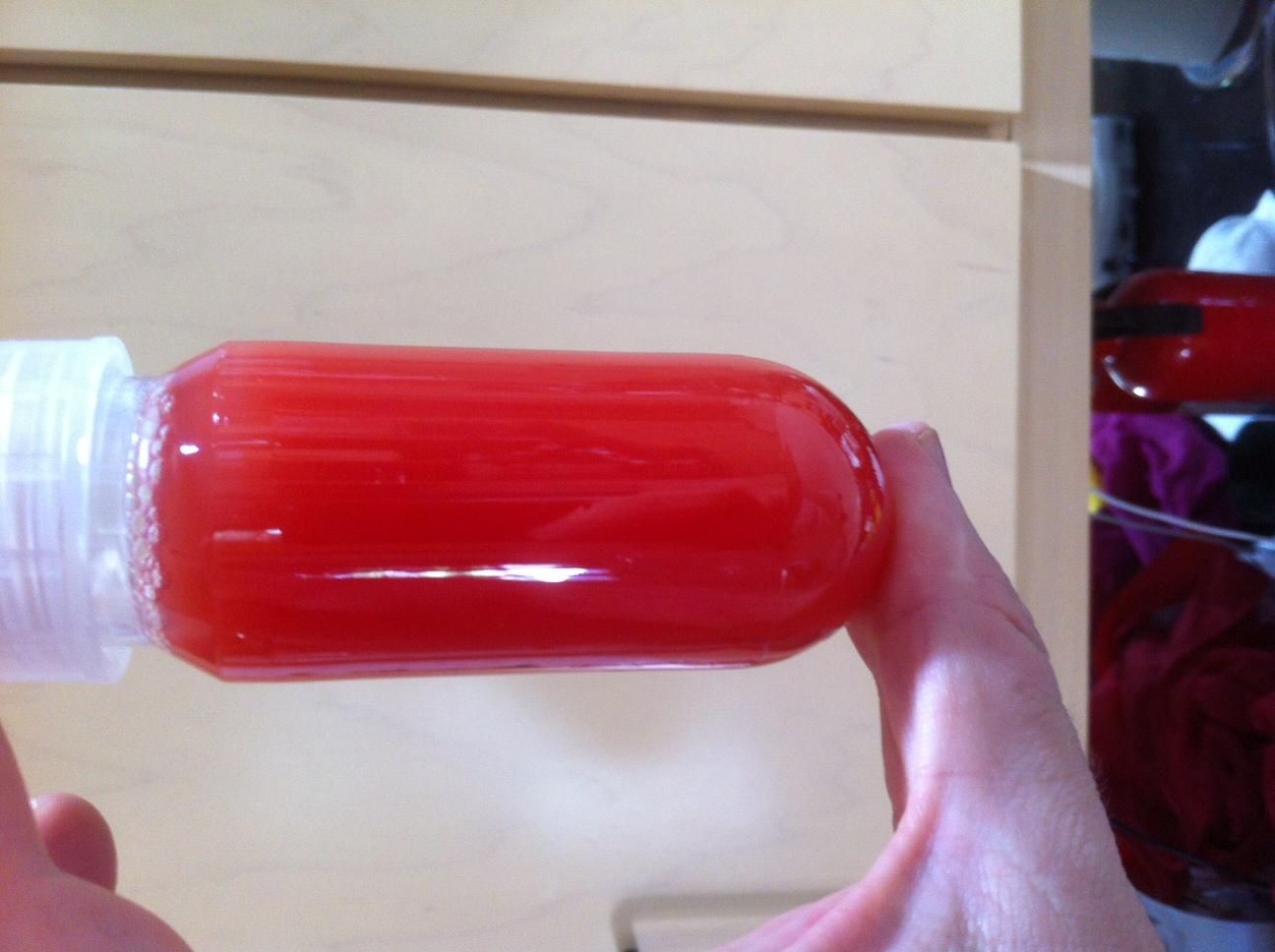
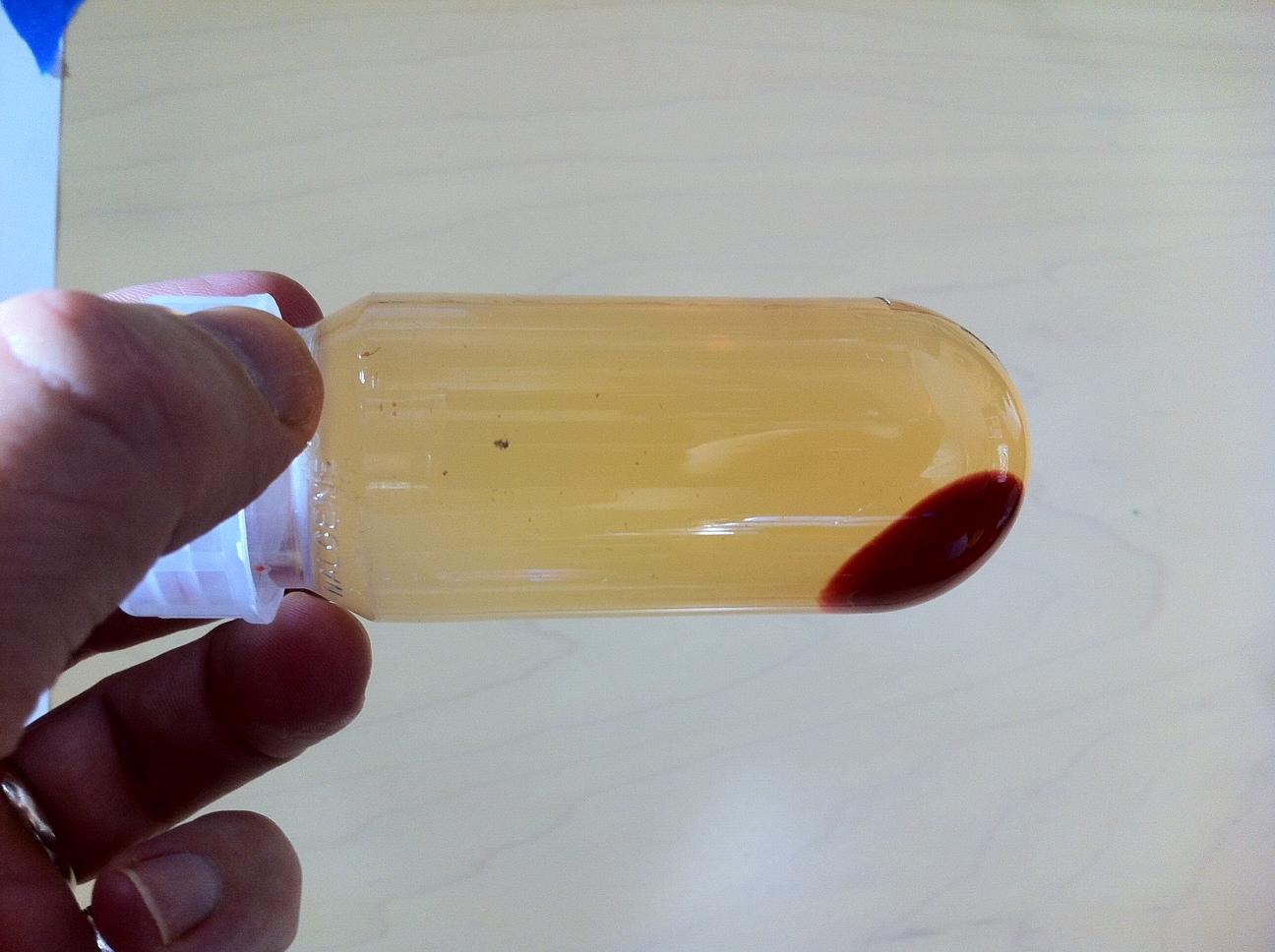
After 5°C for 10 minutes yield 98%. Both juices have some body after sitting in the fridge for an hour.
The solids are interesting. The unfiltered solids are gritty while the filtered have a very fine nice texture. The solids taste of watermelon. Both solids can have a bitter finish which I assume is the tannins from the few seeds busted during blending .
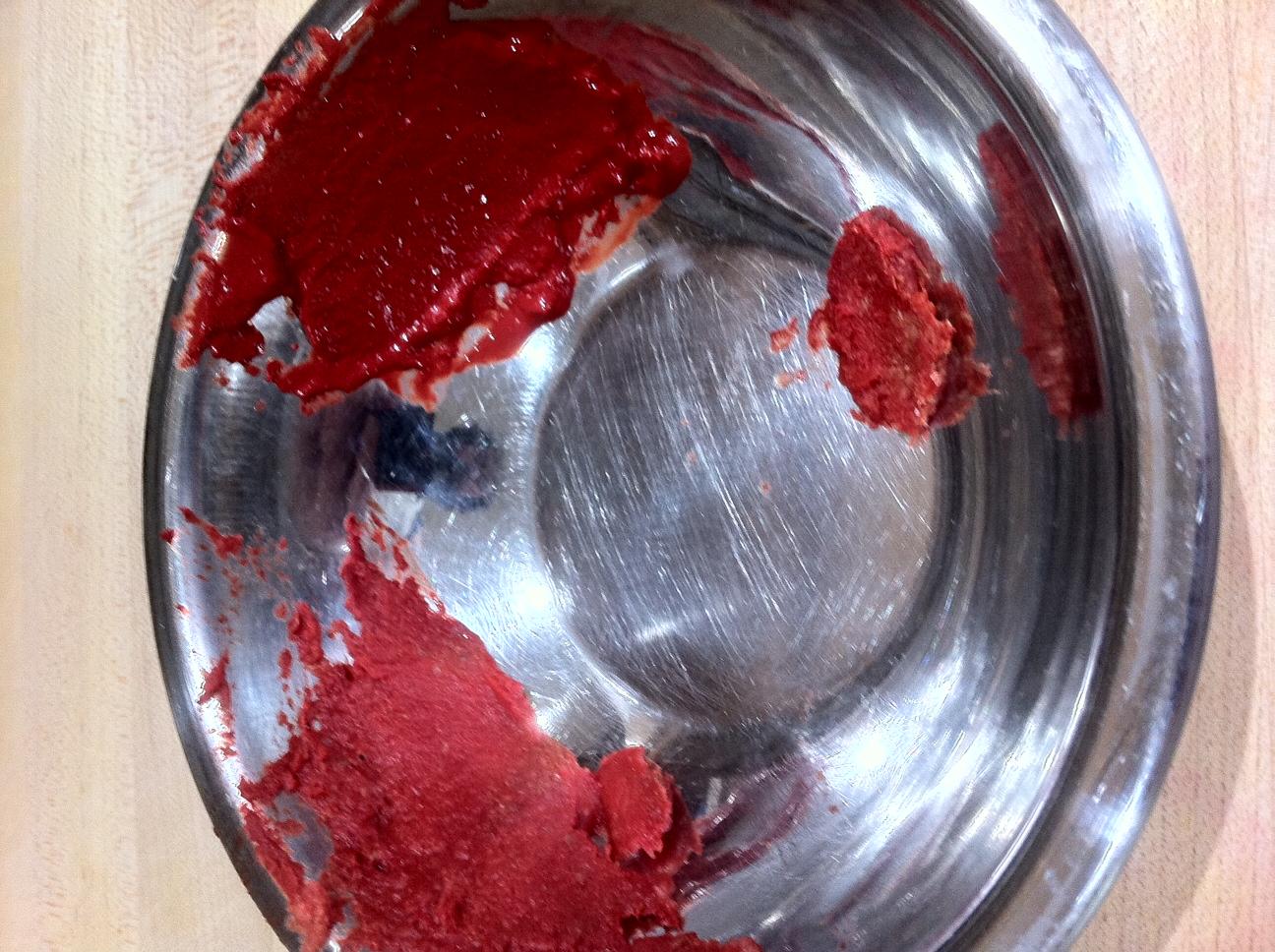
Unfiltered solids bottom, filtered top.
Next was a bag of frozen raspberries, thawed, blended, and spun 5°C for 30 mins at 15,000g, yield 61%
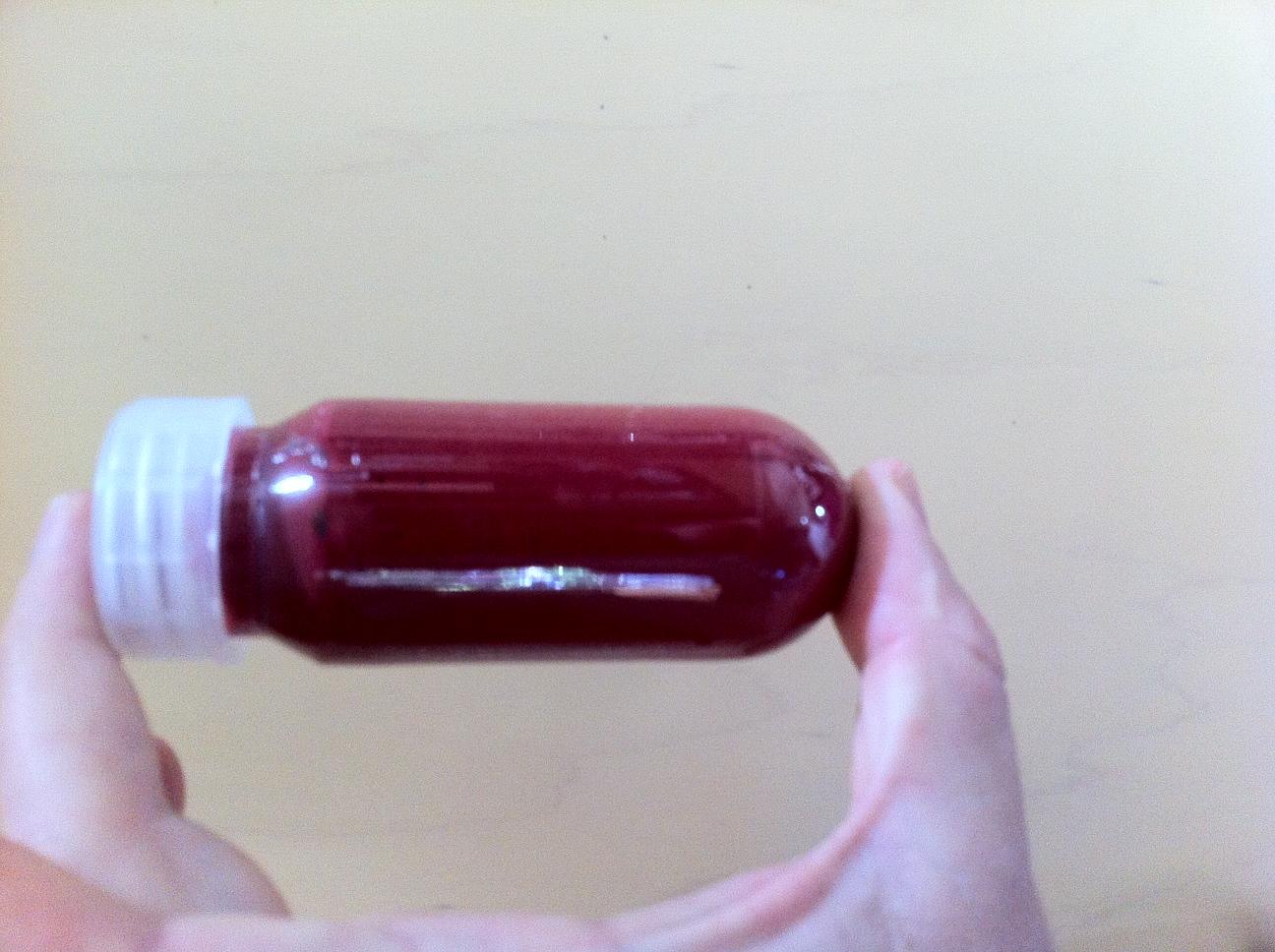
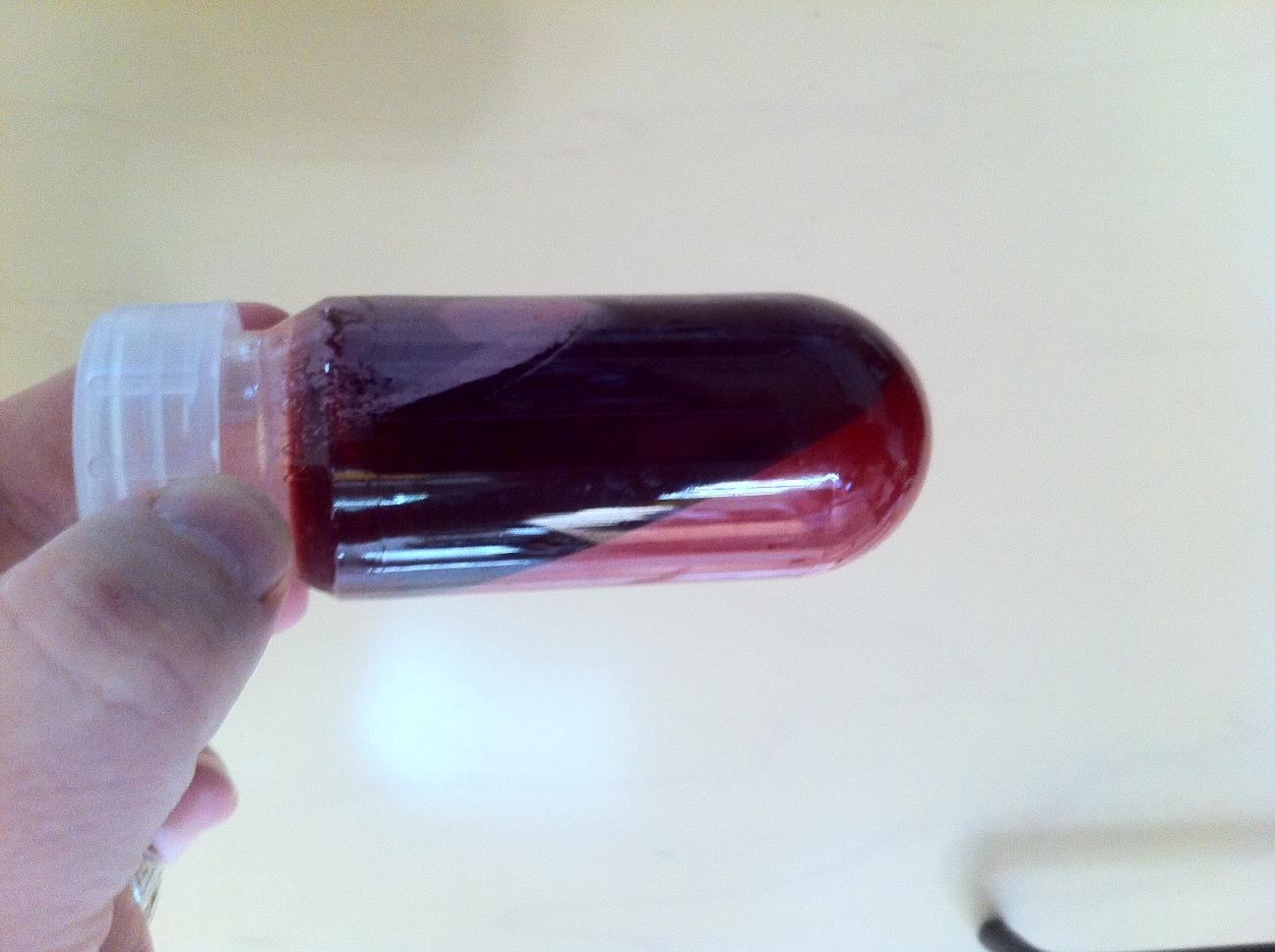
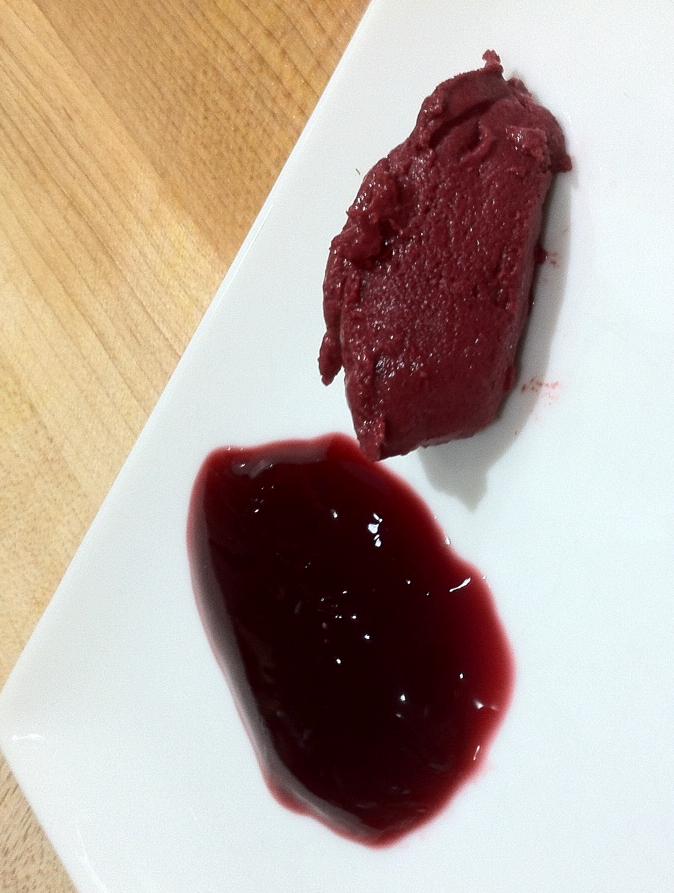
The spun juice is very solid at fridge temp, one assumes raspberries contain a lot of pectin. The bottom/heaviest solids was gritty while the top/lightest had good mouth feel and it was obviously raspberry. I wonder what drying the solid would do?
Nest was MC SV fish stock, 5°C 30 mins 15,000g yield 48%.
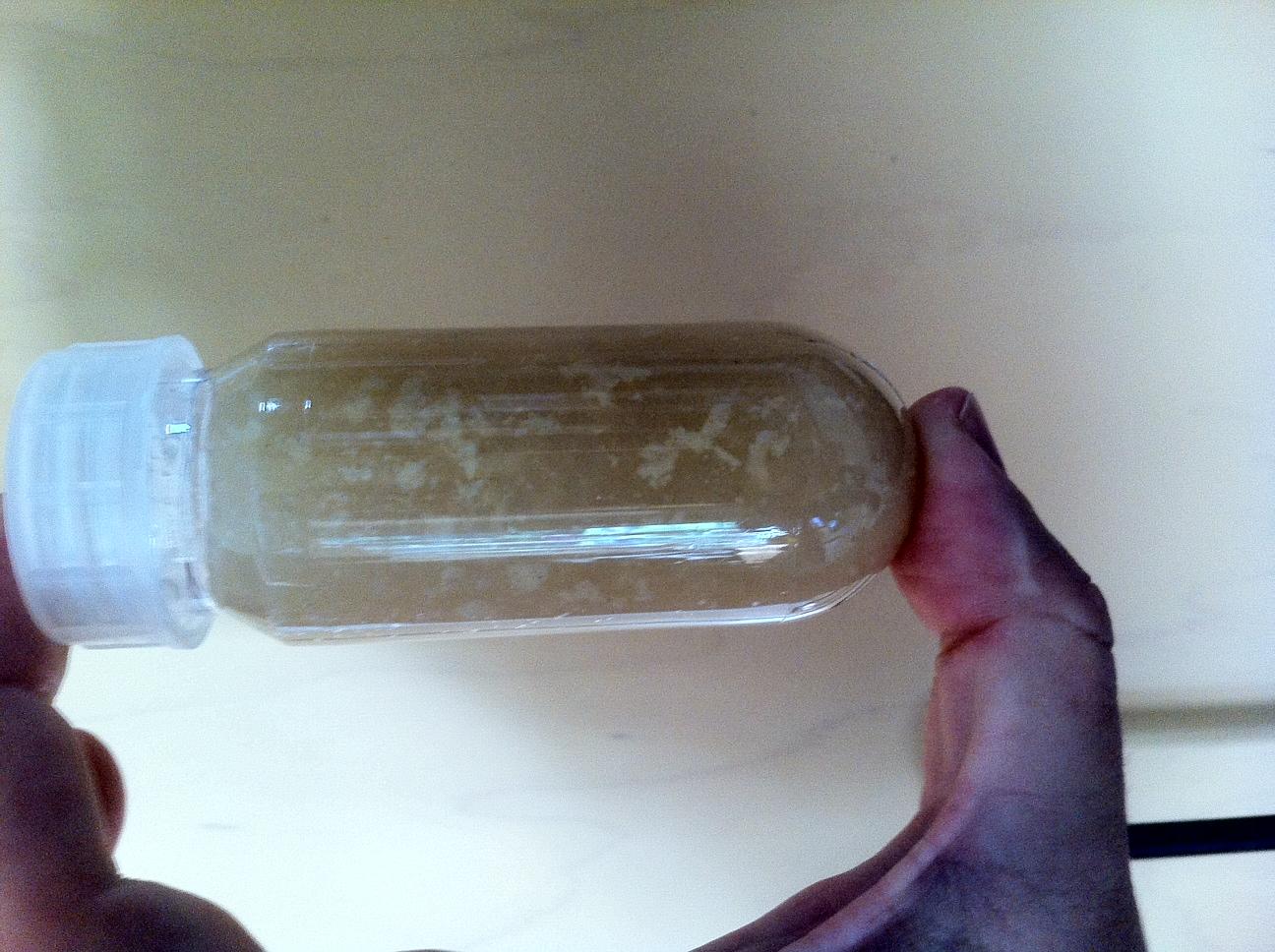
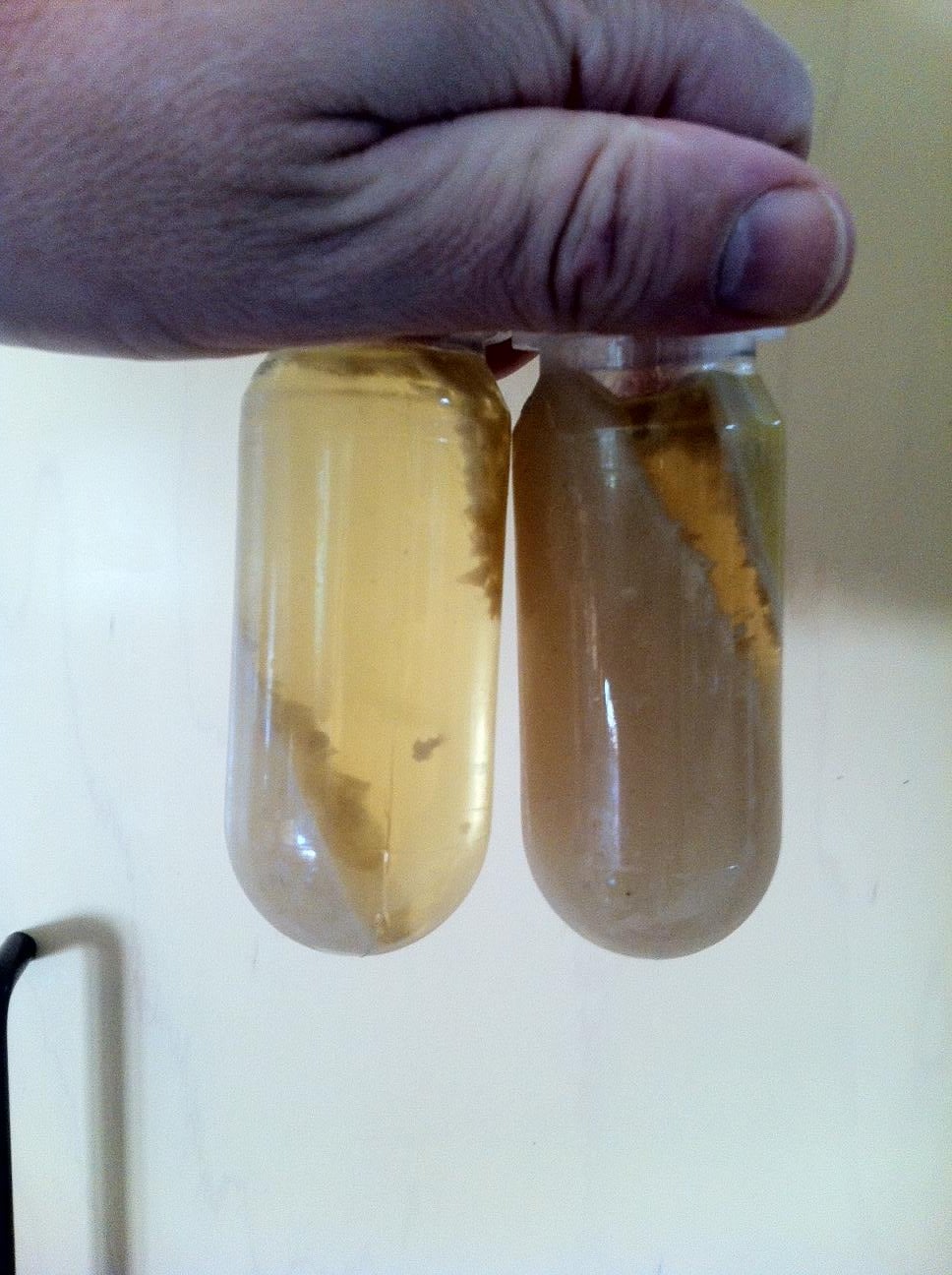
I used the stock from the fridge and it was very gelled. The tube with the most clear liquid was the first tube filled while the other was the last filled. I now warm stocks so there are no solid gelled mass before pouring into tubes.
I tried pressure cooked chicken stock next. 5°C 60 mins 15,000g yield 93%.
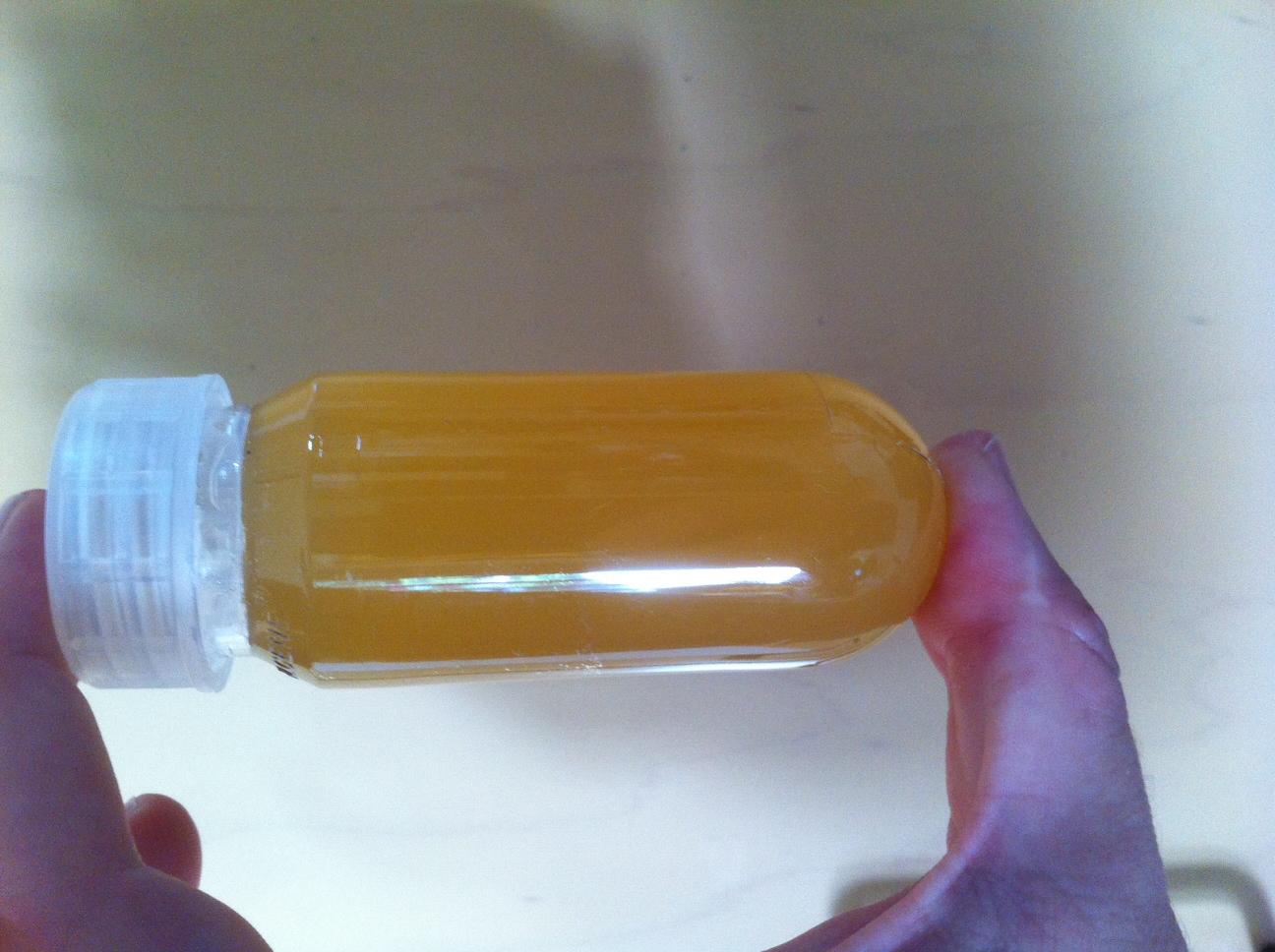
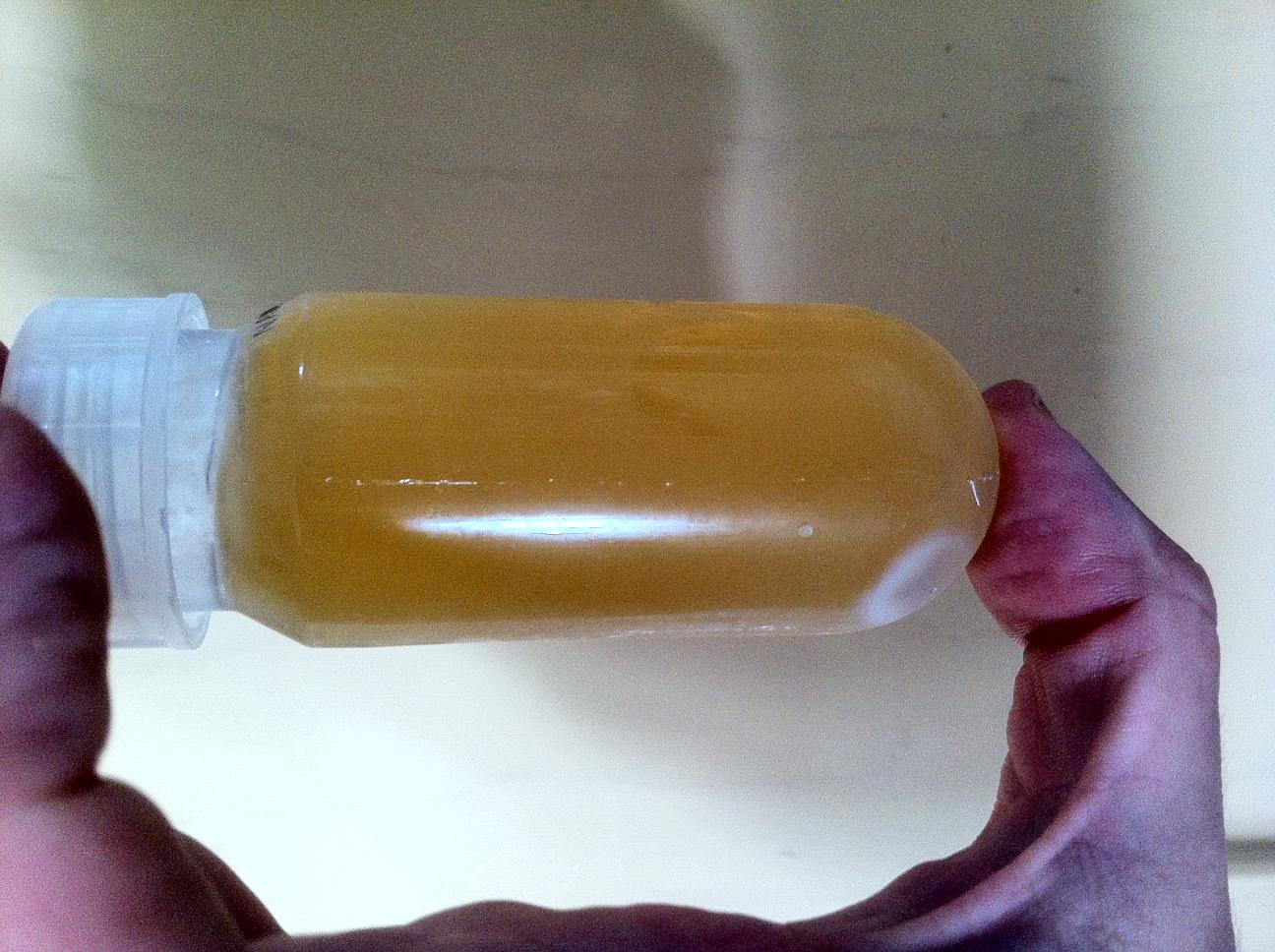
There was very little difference in clarity. At 5°C the stock is semi solid in the tube and I need to try at different temps to see if this effected the clarification.
The latest spun product was a BBQ Sauce. 5°C 45 mins 15,000g yield 71%.
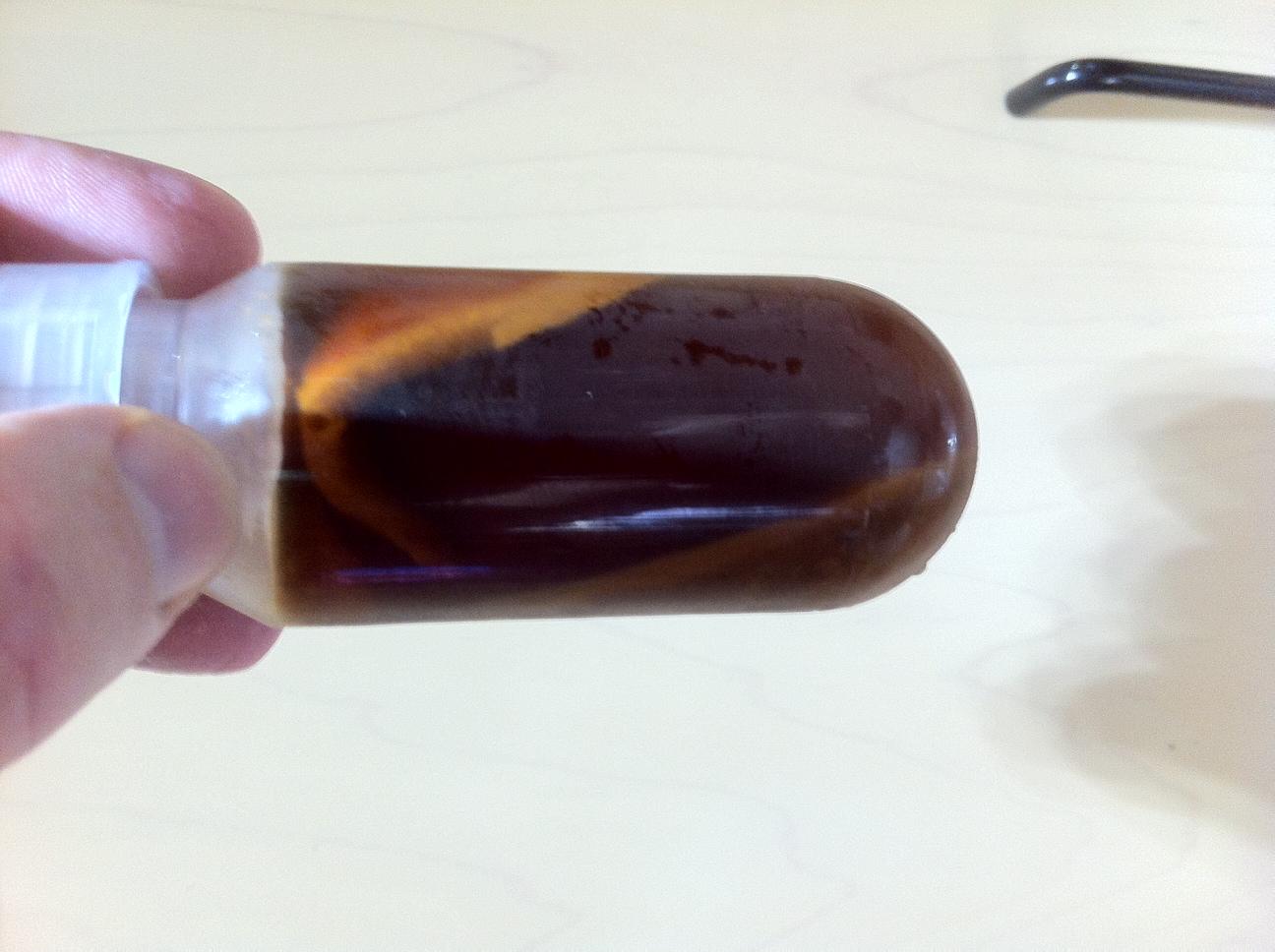
It is difficult to see, but there is a clear liquid in the middle. It really messes with your mind as the liquid looks like a
consommé but tastes of BBQ sauce. I didn't have time yesterday, but I need to add ~0.2% xanthum to make it sauce consistency.
A few things I have learnt using centrifuge are;
- Centrifuges have three part, the centrifuge, the rotor and the tubes - none are cheap and in most cases you buy each separately.
- The rated capacity of a centrifuge will be with a slow rotor. In the case of the Thermo Scientific Heraeus™ Multifuge X1R Centrifuge the capacity is 1.6 litres (4x400ml). This is with the TX-400 4 x 400mL Swinging Bucket Rotor which is rated at 5,000rpm/4,696g (with the correct rotor the unit can do 15,200rpm/25,999g).
- Watch bottle sizes. My rotor can hold 6 x 100ml bottles. The 100ml bottles made have an open top, while the 85ml bottles have a screw lid. The bottles are difficult to remove from the rotor, which a suction cap makes this very easy.
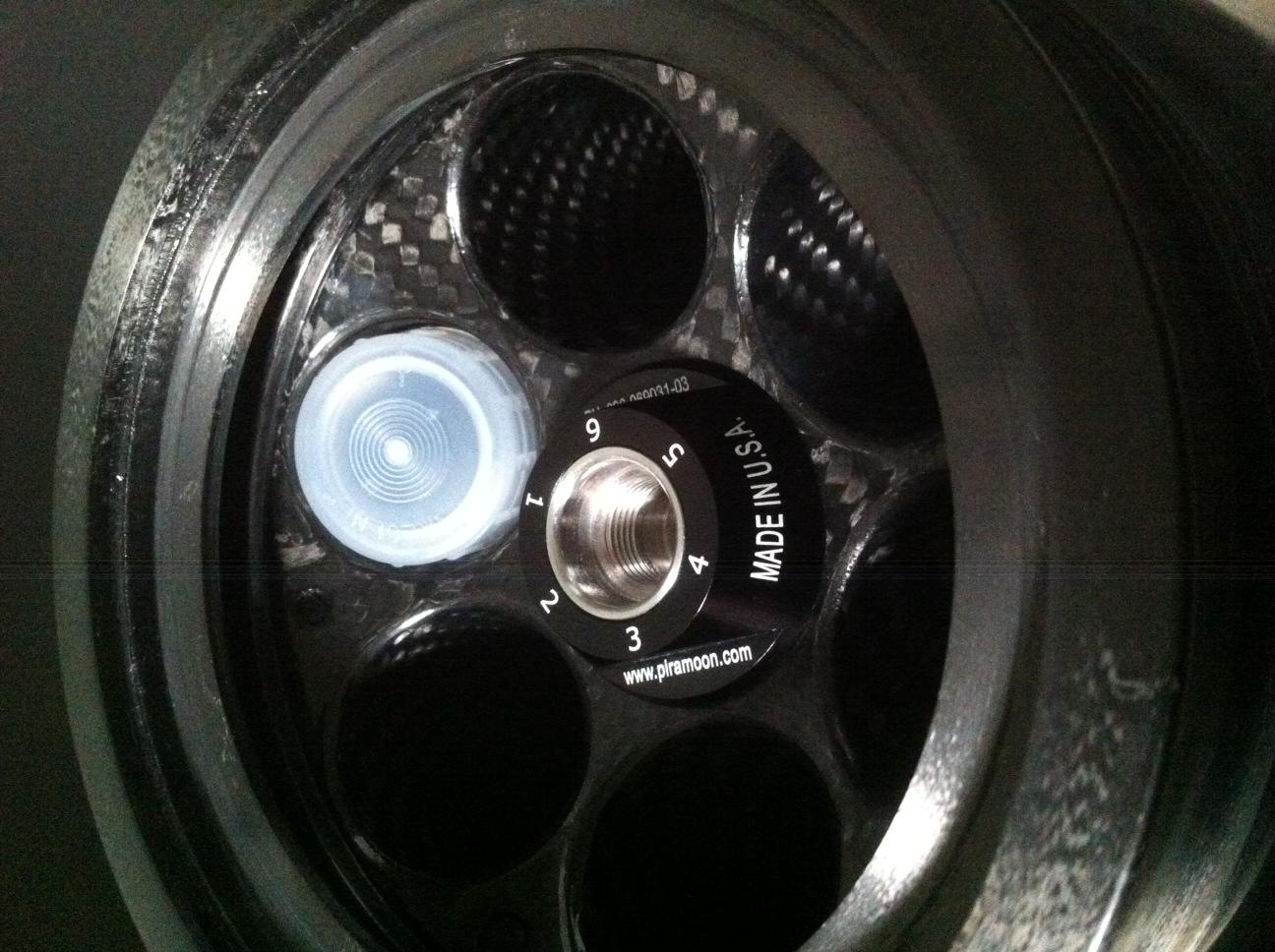
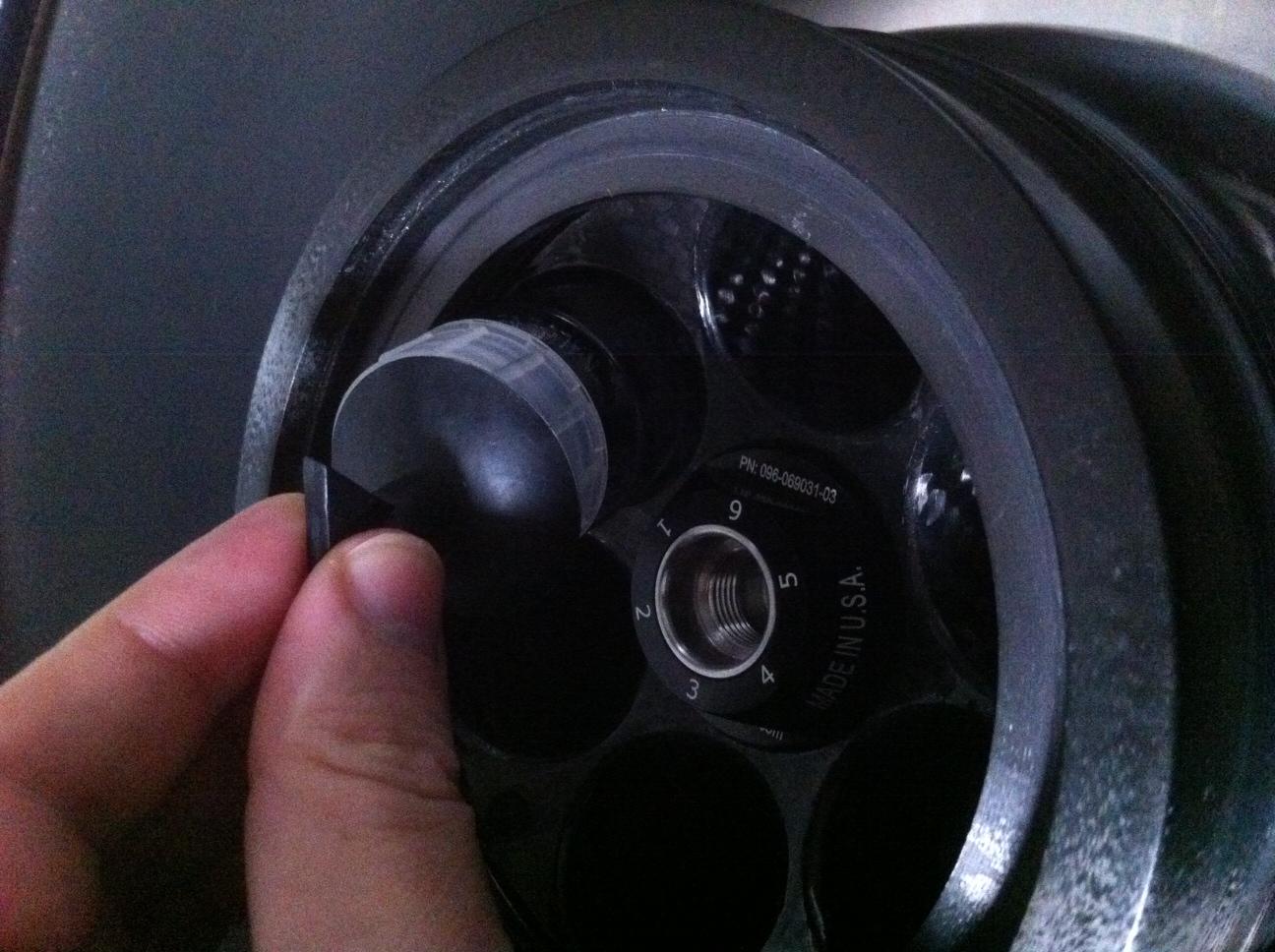
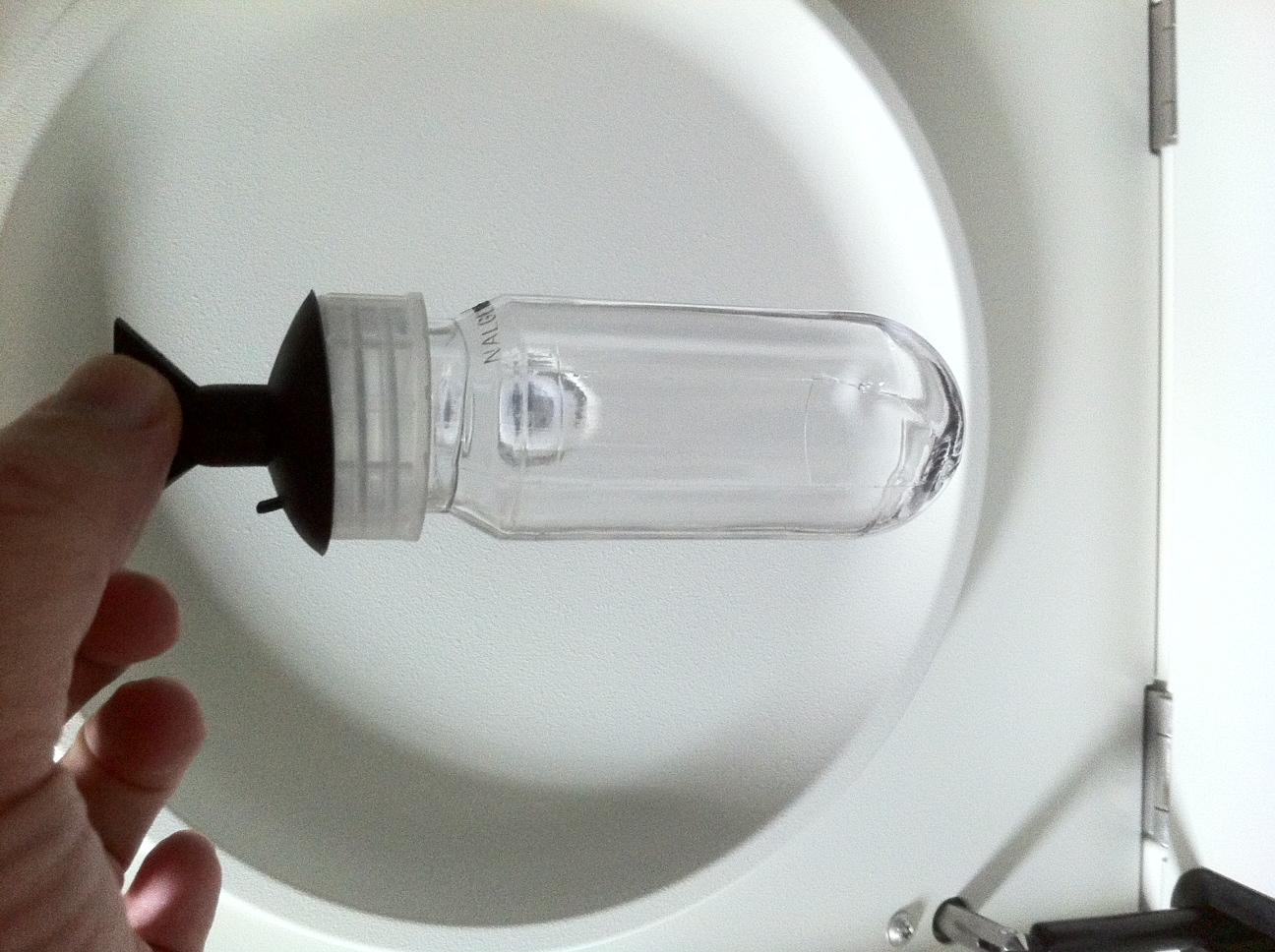
- While my bottles are rated at 85ml, I can comfortable hold 70ml/70g per bottle. While this doesn't sound much it is 6x70 or 420ml/420g per spin. Depending on product the yield can be over 90%. With 20 bottles (these are sold in packs of 10) I can easily keep the centrifuge running until I get the amount of product needed. If the bottles were much larger I would end up spinning a lot of water to keep the unit balanced.
- Get a good scale (minimum 0.1g, 0.01g better) and an eye dropper. One drop of a puree can be over 0.5% of the weight of the filled bottle.
While a centrifuge is not a cheap kitchen toy, it is fun to play with and easy to use. It has to be easy to use as people with PhDs use them.


