Gong Fu Tea, roughly meaning tea done with skill, is a particular preparation enjoyed in southern China and the Chinese diaspora populations in other SE Asian nations.
It can be characterized very loosely as a challenge between the brewer and the tea to yield the ideal extraction - full flavor, full body, a pleasing balance of bitter/sweet/sour notes. This is practiced with roasted oolong teas (you can usually distinguish types of tea made with this kind of service in mind) and small (100ml and less) teapots.
A portion (roughly 1/3rd) of the tea is ground in the palm of the hand to promote quick extraction of certain tastes in the first round, where whole leaves will open over subsequent rounds to expose more surface area for extraction. Chasing the perfect cup is a lifelong pursuit, and I myself have a long way to go.
But all of this is meant to be a diversion and some fun, so I don't see any harm in taking a modernist turn at the process and see if I learn anything along the way. Enter V1 of pressure infusion gongfu tea.
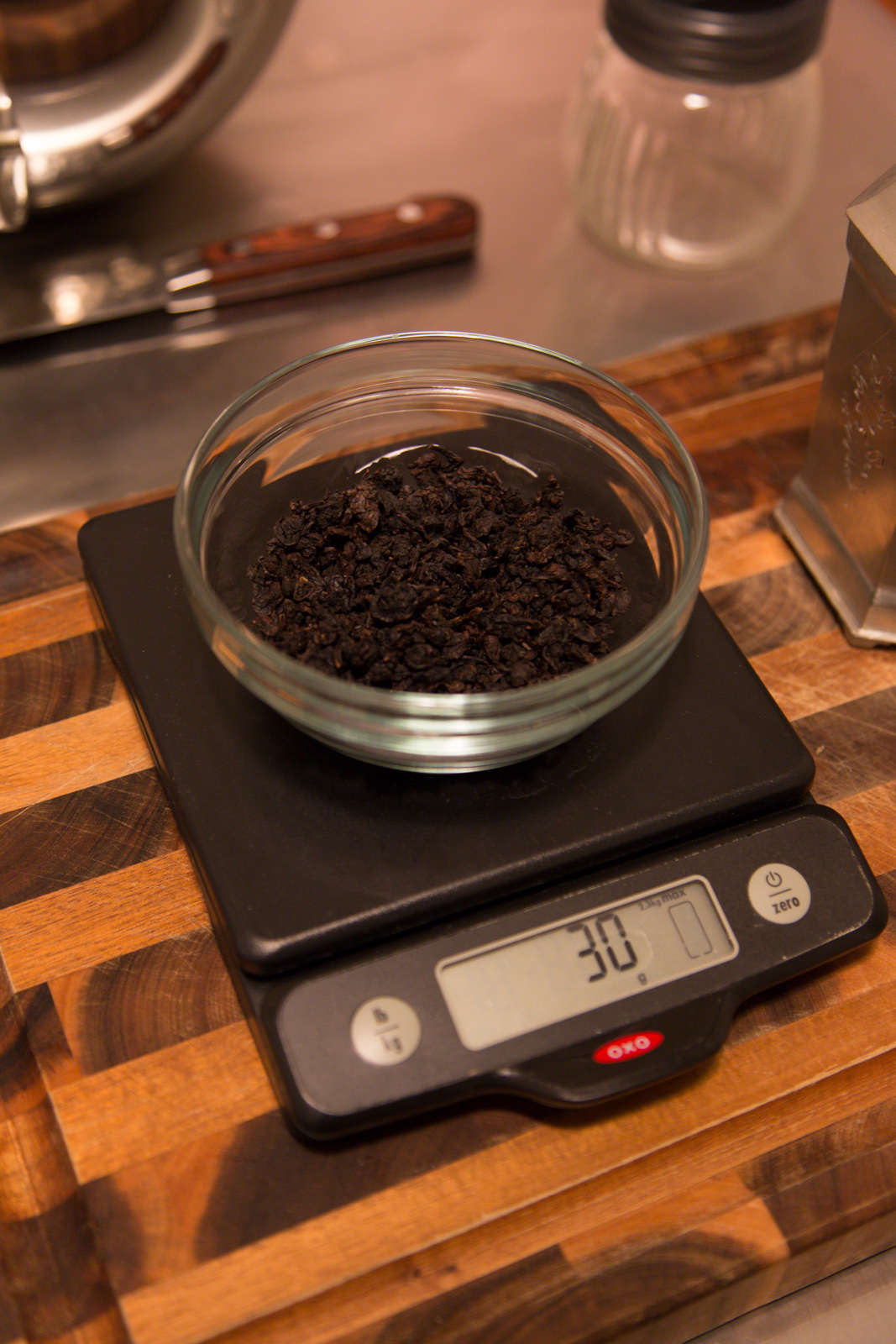
I measured 30g of tea and 500g of water to start, because I know that this amount can brew 3-5 rounds of strong tea in my teapot, with a yield in the ballpark of 500ml. This is much less than the coffee called for in the CS cold brew recipe, and I can imagine trying to bump this up in a future round. I have had success with similar measurements in cold or room temp brewing overnight, and even shorter times in cases where there are ground leaves involved. Can increased pressure speed things up or make an even better extraction?
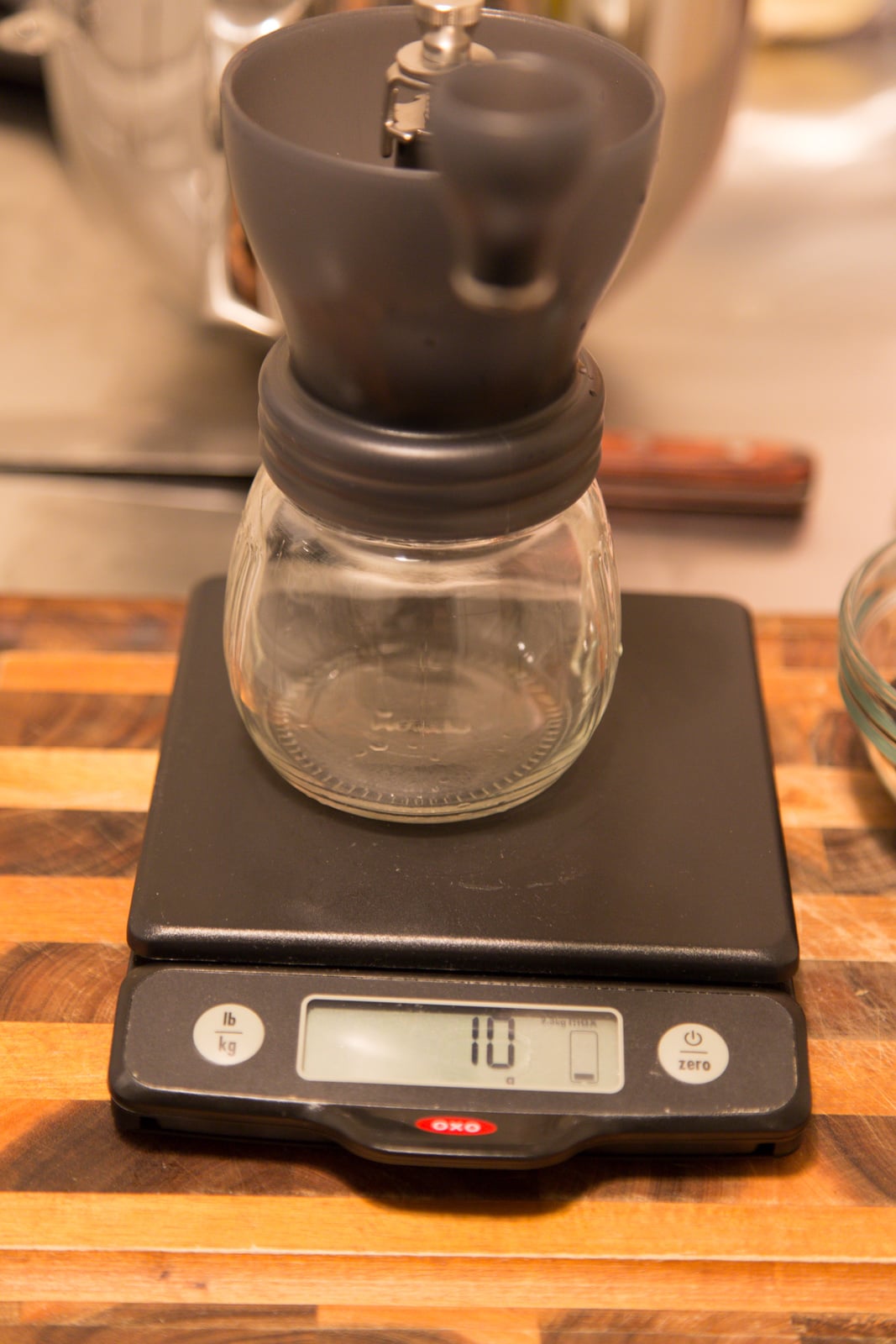
I put 10g into a clean burr grinder with a setting somewhere around a fine drip. I thought for this exercise it would be more consistent and reproducible across trials than the traditional hand grinding of leaves.
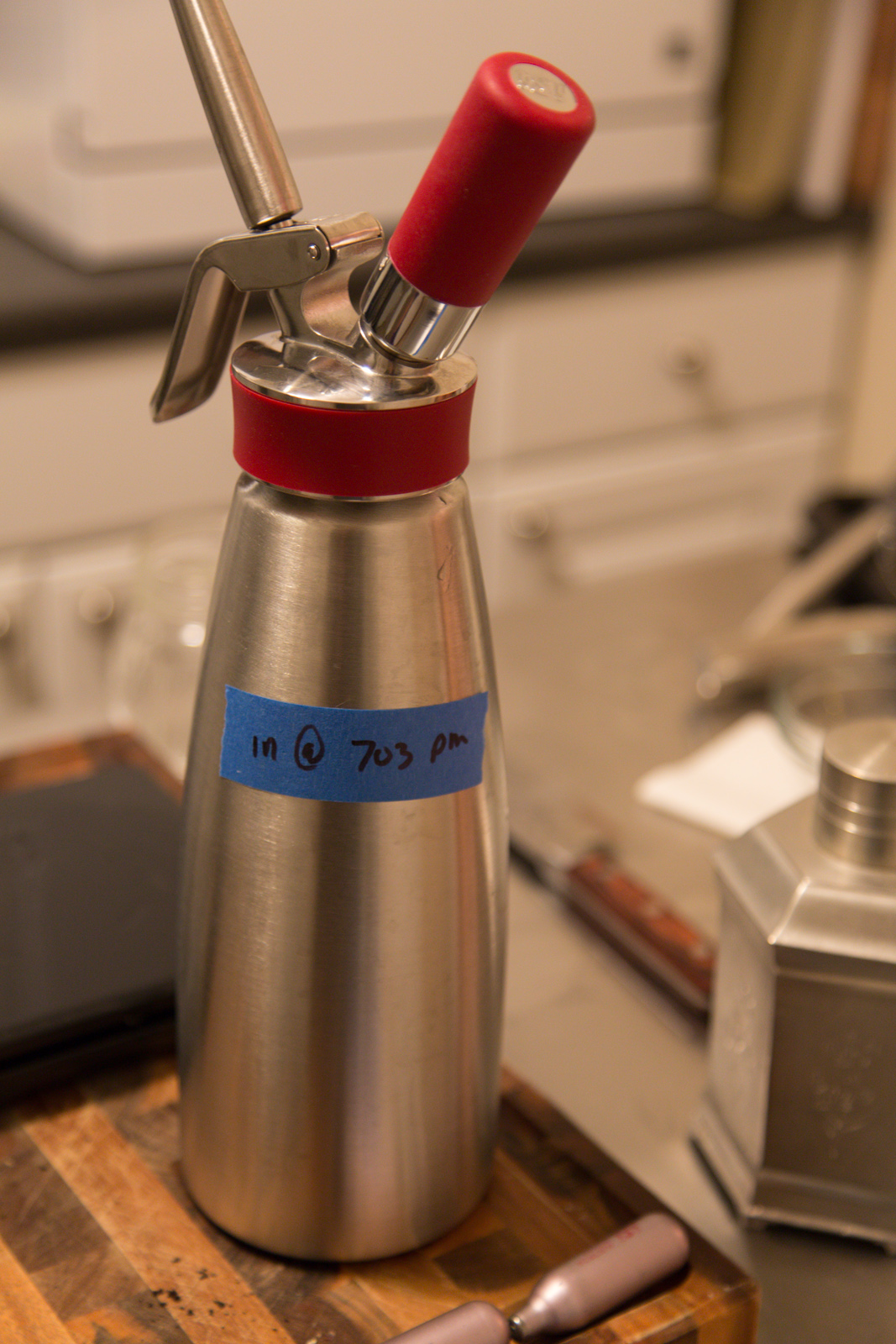
I put it together in a whipping siphon with 3 NO2 charges. I will strain it through a Chemex filter after 2 hours and report the first tasting results. V1 will be infused at room temperature, around 72F. If the taste is good, applications I will try next are 1) thickening as gelato 2) freezing into a granite 3) gelatin cold foam with a mousse like texture
Prior art:
I originally wanted to make a concentrated oolong tea to attempt some frozen deserts. Inspiration at that time came from a watermelon granite I had just had as part of a tasting menu, and the roasted cocoa "gelato." Since it is necessary to concentrate flavors for a frozen preparation, I did a few attempts at boiling and simmering oolong teas. These all went overboard extracting phenolic compounds and was actually lacking in other tastes compared to traditional brewing. With a kick from the new siphon course, I am approaching this from a different angle.
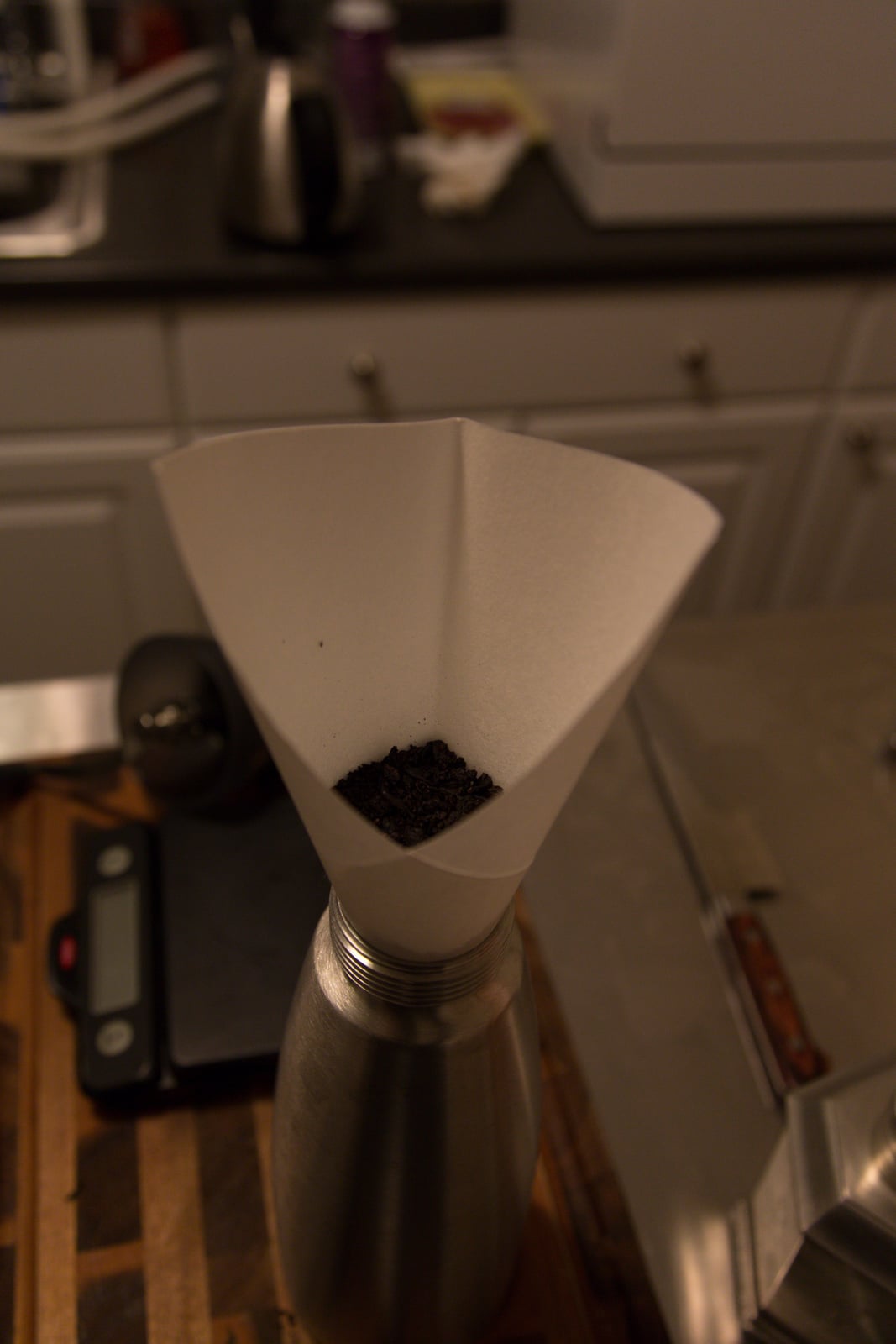
Tea people like to adorn their table with a few antique items or handcrafted artisan items to add some interest. By rolling a sheet of Japanese kaishi paper up into a funnel, we can imagine we are tapping into the time of Sen no Rikyu.
Thanks for reading!