Go to the Article: Cook Sous Vide Tonight: Stovetop Method
its seems like we will never know
Paul, how are you? Did you manage to cook? We've been waiting for you to publish the results for a long time.
Be careful. Most induction cook-tops and all the cheap ones are stone age devices. If you set the top for 130 F it's going to wander from 100 to 200 only AVERAGING 130. If you're cooking a sensitive item like fish it's going to get a lot of exposure to temps much higher than you want. High end PID controlled cook-top like the Control Freak you see the Chefsteps guys using will set dead on and stay there. For a paltry 1800 bucks you can have one.
If you want to get the SV experience without the expense of a circulator ( which are now quite cheap ) use a small cooler to house the water as it's insulation properties help reduce temp flux and get a resident thermometer . Heat up some water to what you want and pour it in the cooler. When it drops 5 degrees heat it back up with hot water. And so forth. Coolers are probably a better container for SV devices than the popular Rubbermaid containers as well. They insulate better and spare the heating element in the circulator.
I’ve got potatoes, carrots and sweet potatoes on at the moment. This is what’s happening:- temp 85c, time 2 hours. After 20 minutes the sweet potatoes are done( I’m going to deep fry them and serve with maple syrup infused butter ) I think the carrot are ready but will leave them in another 10 minutes. When the timer’s got about 45 minutes to go I’m putting in some rump steak. This will be a hit and miss as steak should be cooked at a much lower temp temperature 55-58c for an hour or so. I’ll finish the steak in a pan anyway. I’ll post the results later.
Can you cook potatoes and carrots at 136 degrees for a longer period of time or will they be mushy?
Now they have the induction cook plates
that are available for as low as $30. Not only do you have extra eyes for large meals, but it is controlled by degree and never gets hotter/cooler. HSN also has a small table top Sous Vide set-up w/ cool extras, for $129.
I noticed you using a what i assume is a temperature controlled electric stove burner. Not sure if this is what it is called, when you set the temperature on that, does it keep the water temperature to the set temperature on the burner or no? I know you said there's fluctuation in the water temp, but how close is the burner temperature to that of the water? In terns of task would a electric counter top burner with a temperature control be more useful in the kitchen then lets say one of those $200 entry level sous vide apparatuses. ChefSteps what are your thoughts?
http://www.chefsteps.com/activities/sous-vide-time-and-temperature-guide
I'm giving Sous-Vide a go tonight, cooking some salmon, 1 question that occurs to me is how do you know when you're food is cooked? Is there a temp Vs time table available somewhere?
I'm about to Sous Vide for the first time, How do you adjust time/temp relative to the thickness of in this case a sirloin?
Yesterday I used somewhat of this thecnique, using a digital timer-thermometer and with a steady 66º, we used for cooking "small" pork loin and the result was perfect. VAccum sealed with black truffle oil, thyme and oregano. Inside of the loin was pink. Today we are going to tray de Salmon Mi Cuit
Here you go Laura: http://www.amazon.com/gp/product/B002GE2XF8/ref=as_li_qf_sp_asin_il_tl?ie=UTF8&camp=1789&creative=9325&creativeASIN=B002GE2XF8&linkCode=as2&tag=delvkitc-20
Where can I find a digital thermometer like the one pictured here?
I have an old microwave with a temperature probe. works perfect for my sous vide. the bag goes in a big bowl of water, the probe goes in the water too. i just set the hold temperature and let it run. the first few times i checked the water every 15 minutes, and it was exactly the temp i set it for. I cant seem to find modern microwave ovens with probes though.
Yes it is, but you have little or no control over the temperature. So it still a very high temperature as far as sous vide is concerned.
- originally posted by Grant Lee Crilly
Is it possible to use sous vide method with slow cooker?
- originally posted by rossella piccolo
These are all good tips! Thanks for sharing and we are glad to have you as part of the community. Check out the forums, too: http://forum.chefsteps.com .
I have been using sous vide cooking techniques for a decade or so. My use came about from my frustration over cooking chicken breasts. An inherently formidable task using any high heat method. I do have a few suggestions regarding managing water temperature and other issues with minimal kitchen equipment:1: Massive amounts of water is your friend. Bring a 20 liter pot of water to the desired temperature. Water has a high heat storage capacity, so it takes almost no additional heat to sous vide a relatively large amount of food. A couple of pounds of fish and a lid means that you do not have to constantly monitor water temperature.2:You can actually form many proteins into interesting shapes using medium gauge plastic strips and saran wrap. Cylinders are of course obvious, but with soft proteins you can achieve triangles and rectangles. And you can make marvelous variations on sushi rolls with little effort. You can actually alter the shape of a full beef tenderloin into an almost perfect cylinder with a little effort. It makes portioning a snap.3: For very long cooking times 20 liters of water and an oven set to the same temperature as the water can without much effort keep the water temperature within 2 or 3 degrees of the ideal temperature.for days.4: Many of the benefits of sous vide cooking can be achieved by bringing forms of stock up to the desired cooking temperature and then immersing the protein in the liquid. A concentrated stock of browned pig bones can be used to cook pork tenderloin to a perfect 146 degrees. Shrimp stock works well with many fish and lobster. The levels of flavor imparted into the protein are only restricted by your imagination.5: I am still investigating the effects of salt during the sous vide cooking process. The addition of salt and other flavorings before cooking obviously leads to a far greater penetration into the protein, but at a cost of losing finished product weight due to moisture loss. I am still considering the ramifications.Best to everybody, and I am awaiting more modules.
Thanks I'll have to try this. Buying a digital thermometer sounds much less expensive than buying the sous vide equipment. And thanks for all great vegetarian recipes.
- originally posted by Mary
I really don't like to by specialized equipment that takes up my limited storage space; so I LOVE THIS! Thanks for the great info!
- originally posted by Kari Lindsay
The point is to keep the pan-frying step very brief so that you overcook as little of the flesh beneath the surface. Side-by-side, you will see that the sous vide and then pan-fried version is more evenly cooked than conventionally pan-fried fish. It's also much easier since there is very little risk of over- or under-cooking the fish by sous vide cooking it first.
hi, wouldn't the pan frying step have a cooking effect on a piece of fish that small that would beat the purpose of cooking it sous vide in the first place?
- originally posted by casquette
eddyboi: Best wishes with getting a better beefshank using sous vide. I will suggest that this is a very tricky cut of meat to cook using the pot-on-a-stove technique with a thermometer. The reason is that you typically need many hours (even days) of cooking to get the best result. For example, we really like 144 °F / 62 °C for 72 hours for beef shank (it's amazing), but this is impractical with this improvised sous vide technique. You might try 185 °F / 85 °C for 6 hours and see if you like that texture. Feel free to ask more questions on the forum. Also, here are some videos of the kinds of textures you can achieve with cuts similar to beef shank:http://www.chefsteps.com/activ...
chef chris.. thank you for this wonderful free online course on molecular gastronomy. I've tried the sous vide method for my beef shank dish, but without the thermometer. Obviously i was not contented with the result.. Now i'm going to give a try using a thermometer, pot and stove combo.. and surprise my friends and relatives about this amazing easy-to-do technique in cooking with science..
Glad to hear this Lachlan. How did you do the searing step?Chris
I tried it again this evening and this time I managed to keep it right on 58°C for over an hour without having to touch it. That was one of the best steaks I've ever cooked, and the only time I've ever managed to cook a piece of steak about 5cm thick so evenly.
That sounds about right. Nearly all instant read thermometers are thermistor-based and this technology is typically only accurate to around + or - 1.5 °C (really good ones achieve achieve around + or - 0.5 °C). For any temperature measuring technology the designer has to decide at what temperature they'll optimize its calibration for, and 0 °C is a popular choice because it's easy to set up an ice bath for calibration testing.Chris
I'm fairly sure my thermometer is out by about 0.5 to 1°C, at least at higher temperatures. I can sit it in boiling water at very close to sea level for several minutes and it will not read above 99 °C, though it will read 0 °C when sitting in ice water.To maintain the water temperature, I used the biggest pot I have (about 6 L) with really thick sides (about 8-10 mm) and kept the stove on a low temperature. I then added or removed the lid and mixed in small amounts of cold water as needed (about once every 15 to 20 minutes) to keep it just right.My past experience wth using smaller pots made of much thinner metal has not been so successful, only being able to maintain ±3 °C. They tend to gain and lose heat a lot quicker and need the stove on a higher setting, making it much harder to maintain a constant temperature.
I would suggest that for a steak, you might find 58 °C closer to your liking for medium. If you can hold your temperature between 60–61 °C you are doing very well, and that 1 °C fluctuation will not noticeably effect the outcome.Chris
I used this method to cook a steak tonight at approximately 60°C. My thermometer showed the water temperature fluctuating around 60 to 61°C for about an hour, though I don't think my thermometer is very accurate. I was aiming for medium. It was very evenly cooked all the way through, but it was closer to medium-well than medium. I put that result down to my inaccurate thermometer and difficulty in manually maintaining a constant temperature.
You're welcome. Let us know how things go on the forum.Chris
This is a great Idea.... I can work with this method till I get my Sous Vide equipments? Thanks you!!!
This site is intended for U.S. residents. We do not ship products or provide subscription services outside the United States.

 Sous Vide Holiday Turkey
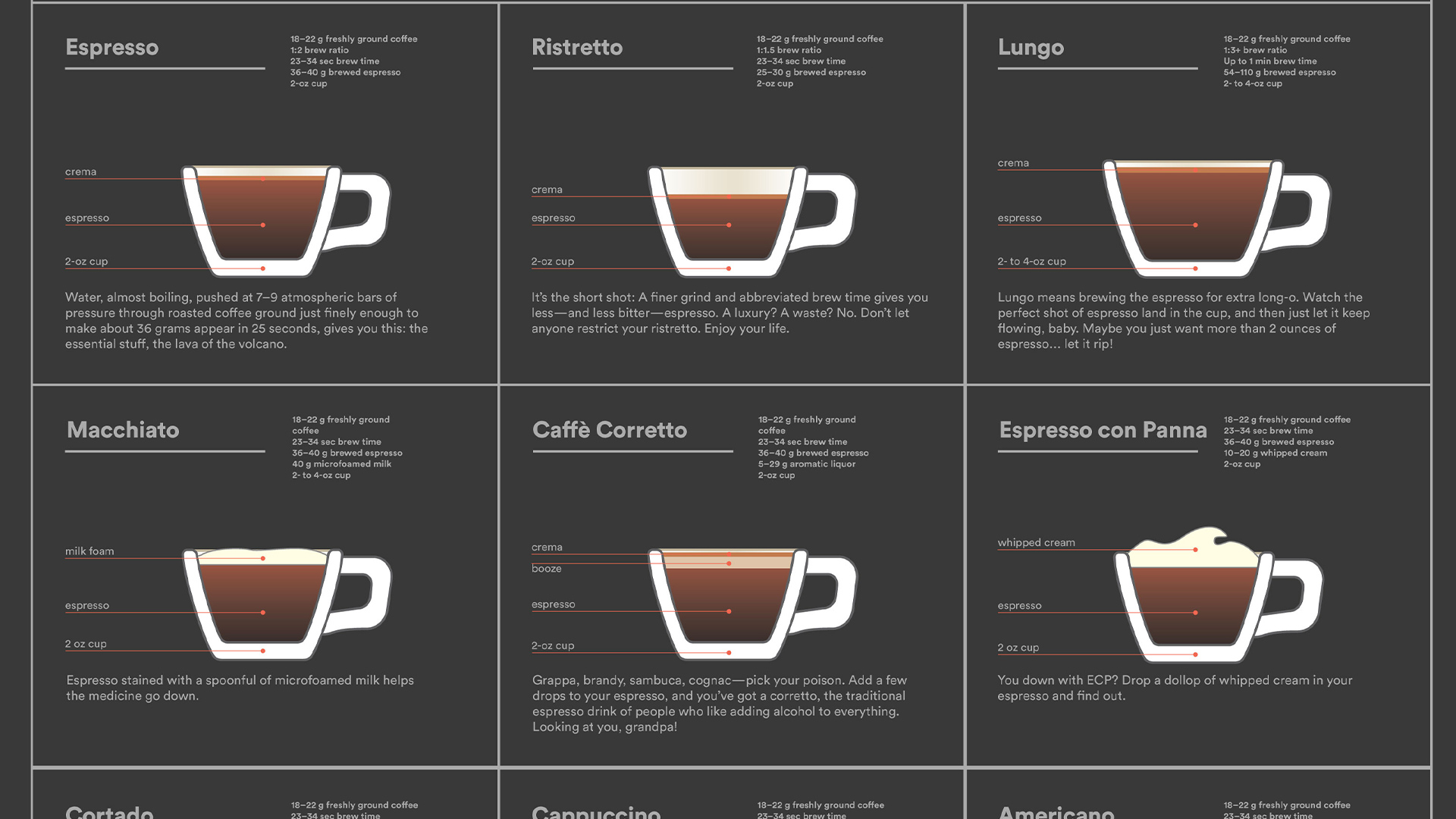 The Ultimate Guide to Espresso Drinks
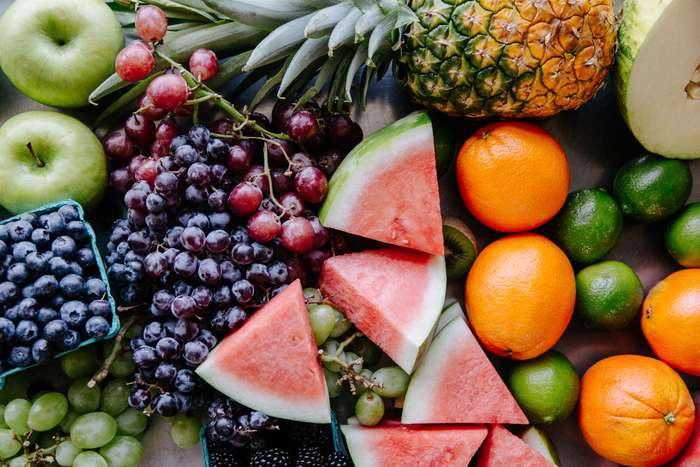 Tips & Tricks: Fizzy Fruit!
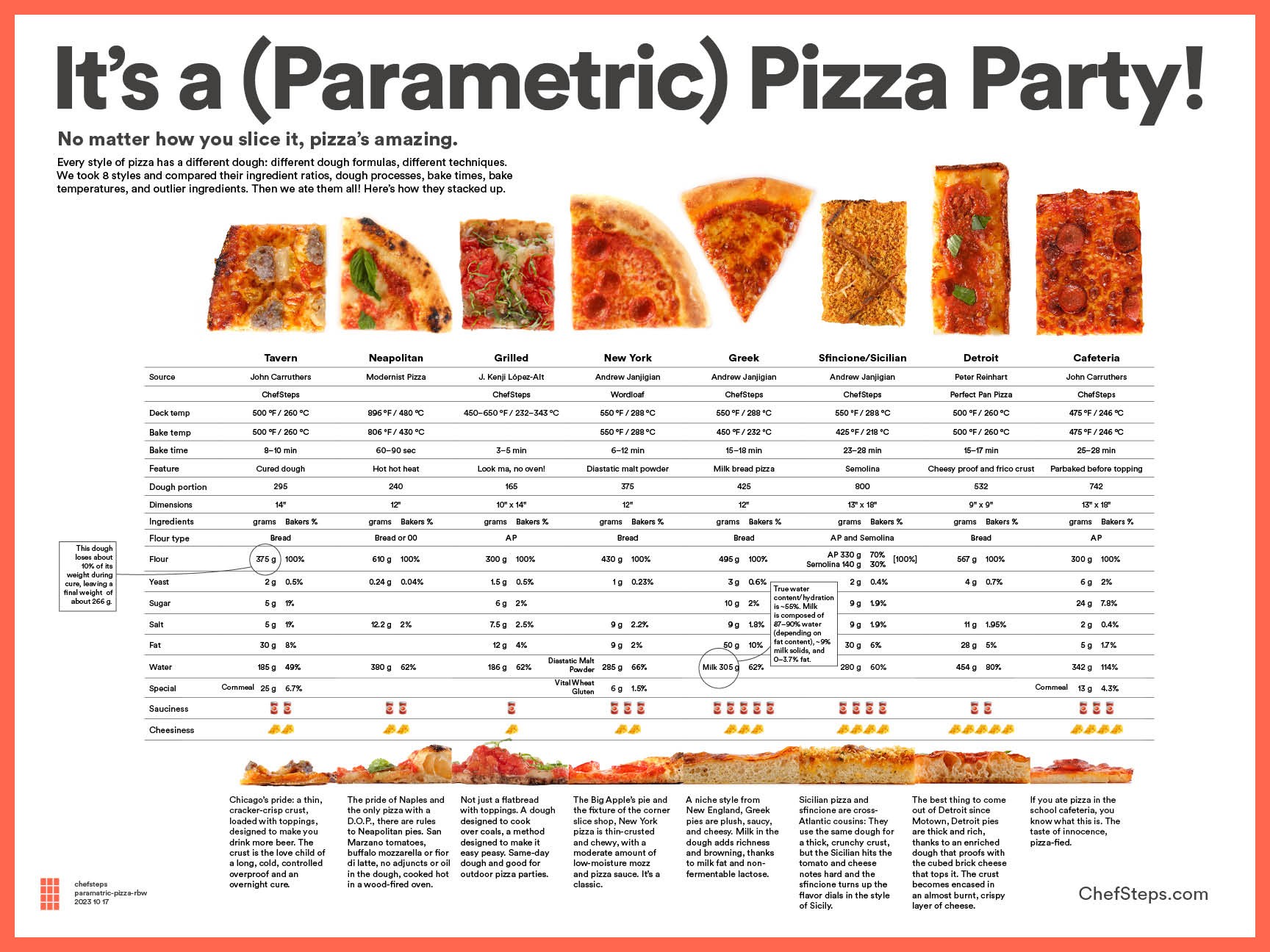 Pizza Doughs: A Parametric Analysis
 the Control Freak™ Home
 the Joule® Turbo Sous Vide
 the Joule® Oven Air Fryer Pro