Go to the Article: A Complete Guide to Sous Vide Packaging—Safety, Sustainability, and Sourcing
"Always add oil."? No. No. No. Your own J. Kenji López-Alt says the exact OPPOSITE when cooking red meat. Kenji says added fat removes valuable flavor enzymes from the meat.
Where can I purchase XL bags that would fit a rib roast?
Yes. You want water to be able to circulate. The size of your pot, and the strength of your immersion circulator, will dictate how many bags will fit in one cook. However, it may take trial and error to determine the number.
Can you use silicon bags to sous vide?
Surprised you didn't get an answer yet. It didn't overcook since it's at the same temp you set it, but the texture of the meat can deteriorate. There's a guide on here that shows the range of time before the texture changes. I want to say if was between 1-3 hours, you'll be fine.
I have been using sous vide for several years. Recently I stopped sealing the bags! My technique is to place the item in the bag, force the bag under the water until it rests on the bottom but not submerging such that water enters the bag. I then use magnets to hold the bag top above the water line. If gasses are released they can escape and the product stays submerged. Any thoughts?
Hi there.
My chicken thighs finished cooking but sat in the water over an hour (forgot) Did I just overlook the meat?
Thanks for the help!
Comrade’s
Has any one used Ball Jars to cook out fruit compotes? If so, are there any guidelines or recommendations you might make based on your experience?
@Caryn Hart a bit late, but without seeing the science, this sounds a but fishy (pun intended). If you take a piece of fish and cut it in half, vacuum seal one and water displace the other, the two pieces would have the same amount of risk, unless one of your bags was contaminated. This, however, would have nothing to do with the vacuum sealing. Sounds line a bunch of nonsense to me.
I called Customer Service at SC Johnson (maker of Ziploc brand bags) to make sure my freezer bags were BPA-free. They are, but the Ziploc representative made the blanket statement that they do not recommend sous vide cooking in ANY of their products! Having seen Ziploc freezer bags specifically recommended for sous vide both here and all over the internet, I am now confused as to how to use my new Joule. Possibly, SC Johnson is just being overly cautious because of their legal exposure, and I could safely ignore their advice. But I wish Chefsteps and SC Johnson would get together and make a unified statement on this. Until then, my Joule will serve primarily as an expensive egg cooker and yogurt maker.
Hi. You did not mention silicone options. Platics are beginging to come under fire for leaching even the newer non BPA versions. Silicone is suposedly healthy? But like you say we only know what we think we know now.
Have anybody sous wide cooked beef or chicken marinated velveting the chinese way before cooking.
I tried this with prepackaged chicken. The hot water dissolved the glue, and the chicken escaped and wreaked a terrible vengeance upon me.
Veggies require a much higher temperature to cook, possibly causing the bag’s seams to open. Veggies are lighter in weight than protein and more prone to floating. A vacuumed sous vide bag will float less and is stronger.
I have the Sous bags which are reusable but nowhere on the box does it instructions on cleaning them? Dish washer safe? Just soap and water after chicken and such just doesn’t sound like enough
What is it about vegetables that makes vacuum-sealed bags "the only way to guarantee the fantastic results that make sous vide vegetables the best you will ever try"? Why don't zip lock or non-vacuum-bags work as well?
Hi is there a limit to how many bags of chicken breast I can put in the pot at on time
What do you think about the vacuum bags with the hand pumps? I know you cannot submerge top in water but that seems workable. I’ve purchased so many vacuum sealers that don’t work.
Is prepackaging like from a magor packer okay to go into the bath? I have done subprimals of beef, lamb, and pork directly into the bath then did a seasoning and roasting afterwards. Please advise.
Could it be possible to get like a tote box reference to the the best size we could buy?
This article says a pricey vacuum sealer is not needed. You have a link to Amazon:
"We recommend three sealers on Amazon.com that range in price and will all work wonderfully."
This link goes to a vacuum sealer that is almost $200 and is unavailable. It is the only sealer shown.
The hand held sealers -- some are very small and look like a staple remover. Others are a bit larger, like the size of a can opener. Are these hand sealers effective for sous vide use -- assuming food-grade bags are used?
A good choice of sous vide vacuum sealer and sous vide vacuum sealer bags I have found, is the Eiffel Freshpack Pro vacuum sealer shipping to UK and Europe is no problem, for USA market they have an outlet on ebay which uses the global shipping programme.
I use 2.5 qt., PureSiliconeWare bags (not available on the Amazon Canada site). I've ordered small silicone food storage bags for small items. After cooking, I rinse them out, and put them in the dishwasher upside down.
Weighing down bags with flatware didn't work for me. After trying stainless steel ball bearings and bolts, I am going to use rare earth magnets with a 35 lb. magnetic strength. With these I no longer need to put something inside my silicone bag to keep it submerged. I got the idea from a thread on the Joule FB page.
I really appreciate the information about oil in cooking proteins, using canning jars, and reusing water.
I have a similar question. A book on sous vide (Cooking Sius Vide by Thomas England)suggested that using a vacuum seal may not always be as safe as using the displacement method for cooking fish. I have a hand-held vacuum sealer with heavy-duty bags which would make the sealing process a bit easier than the water displacement method. Do you also feel that vacuum packing fish might be a greater risk for food-born illness?
Just wondering if anyone has tried using mason jar. Do I have to adjust the time upward or the time is the same?
I use 8x10 bags for most steaks and if they're extra thick or large I use 10x13.
Hi Charles,
I've gotten in the habit of re-packaging all my meat before freezing, even if it's in a nice shrink-wrapped package. I have a vacuum sealer, so I seal meat in with oil (as described in this article) and seasoning. This way, I can take it right from freezer to sous vide. It's very convenient, and I know that I'm using sous-vide safe plastic.
If I buy meat or fish already frozen, then I remove it from the packaging and re-package to sous vide, which you want to do anyway so you can add oil and seasoning. HTH.
we, too, are looking forward to new options for 100 percent washable, reusable bags.
Any Update Chefstep admin and Staff?
Is it safe to assume that large rolls of plastic wrap bought from a restaurant supply store are just as safe as the name brand versions you purchase in a grocery store?
@brian I got the gallon reZip lay flat bags - it says they weigh 2 oz (http://www.blueavocado.com/products/re_zip_lay_flat_gallon_2_pack-180-34.html)
@Valerie Tate Williams What bags did you buy? the website shows several different products.
@Michael Fremer none of the recipes need a vacuum sealer to cook. you will get the same results if you put the food in a bag and use water displacement. it is up to the desire of the cook whether or not to vacuum seal it.
I have a vacuum sealer. I wish these instructions would be more explicit about when to use it and when not to use it. Or, if one has one, should it always be used? Etc.
I just recently bought some reusable plastic bags (thicker than normal grocery store bags) from Blue Avocado (https://www.blueavocado.com/). Would these work for sous vide?
I buy frozen tuna steaks from ShopRite that are individually shrink-wrapped in thick plastic. The packaging says (in all caps) to NEVER defrost the fish without first removing the plastic. Is this particular to fish or is that true for other frozen shrink-wrapped foods? I'm asking this in relation to a 5 lb pork rib roast that I bought shrink-wrapped, and then immediately froze without opening it. Rather than letting it sit in the fridge for, say 24 hours, or microwaving it on low, I'd love to defrost it sous vide, whether or not I then decide to cook it sous vide or roast it conventionally. Any thoughts? Thanks!
Hello
I'm an old dinosaur who cooks Escoffier, Careme, Savarin etc etc Very old cook books, very old recipes BUT folks like ChefSteps, Blumenthal and Mr Achatz have totally sold me on modern techniques.
In fact I think that if Escoffier and Careme had had Sous Vide and Liquid Nitrogen to play with it would have blown their collective tits off! Their cooking would have been even more amazing!
I've been sooo veeeding for years. Didn't want to buy a domestic vacuum sealer because they are crap.
Just got some professional Sous Vide bags which I fill and then partially heat seal by covering the plastic envelope with baking paper and the edge of a hot iron. I leave a tiny gap at one end and insert a small copper tube, attached to my vacuum cleaner hose. Sucks all the air out a treat and I then iron the little hole shut too. Bit fiddly but Hey Presto! Necessity was the Mother of Invention.
A friend built a little heating element from an old electric kettle with a thermostat so I can set the temperature I need and I stole a small electric motor from one of my son's old model boats and attached the small propeller at the end of the drive shaft. Very Heath Robinson but gets the job done circulating the water nicely. I'll be sorry to see it go when I finally get my hands on a Joule when they are available in Europe WHICH WILL SOON, WON'T IT ChefSteps!!!!
I'm very fussy about soggy cheesecake bases, Hate 'em! so I prepare and freeze the sweet biscuit base first and then use very thin Alfapac roasting sack (which is safe up to 210c) as liners for cooking my cheesecake mixes separately at 160c in a Bain-Marie. Once cool I put my frozen super crunchy biscuit base on top, turn the whole shooting match over ready to pour an almost set strawberry jelly on top for a very beautiful thin & professional looking finish. The Alfapac liner I can cut out to any shape I need and it peels off very easily.
One of the joys of cooking for me is making my own kit for various preparations out of all sorts of stuff.
I've recently finished cutting a length of plastic plumbers pipe in half lengthways to use as a mould for my frozen Bouche de Noel. If properly lined with quality baking paper and cling film it is perfectly safe and saves spending a fortune on fancy kit which sits in the cupboard most of the year. Yes I'm an old cheap skate.
Thank you ChefSteps for the great ideas and the inspirational cookery!
Now then.......................... Where's my Joule??? Hurry TF Up! :-)
I've been doing sous vide for years (first outfit years ago was a Rube Goldberg contraption made out of a livestock bucket heater and a PID temp controller with probe). But I have a question I don't think I've seen addressed before.... I have a chamber vacuum sealer... pretty stout one. I'm now cooking a couple of chuck roasts for 48 hours... but here's the question: Is it possible to pull too hard a vacuum on meat such that it makes it more likely to squeeze more of the juice out as it cooks? Is there an optimal level of vacuum for various foods? Obviously with fish and other tender proteins you wouldn't want to squeeze it all out of shape, etc. But what about beef, etc.? Thanks for any insights!
Is the 8x12 bags on Amazon large enough for most big steaks? The 11x16" size is triple the cost. Thanks.
I've been happily using reusable silicone bags with zip clips on the top. Works great!
I was told that i need to seal the zip bags, but noticed that chef steps does not sealed them just open and put a clip. Any reason why the difference in methods? And does it matter? Thank you
This site is intended for U.S. residents. We do not ship products or provide subscription services outside the United States.

 Sous Vide Holiday Turkey
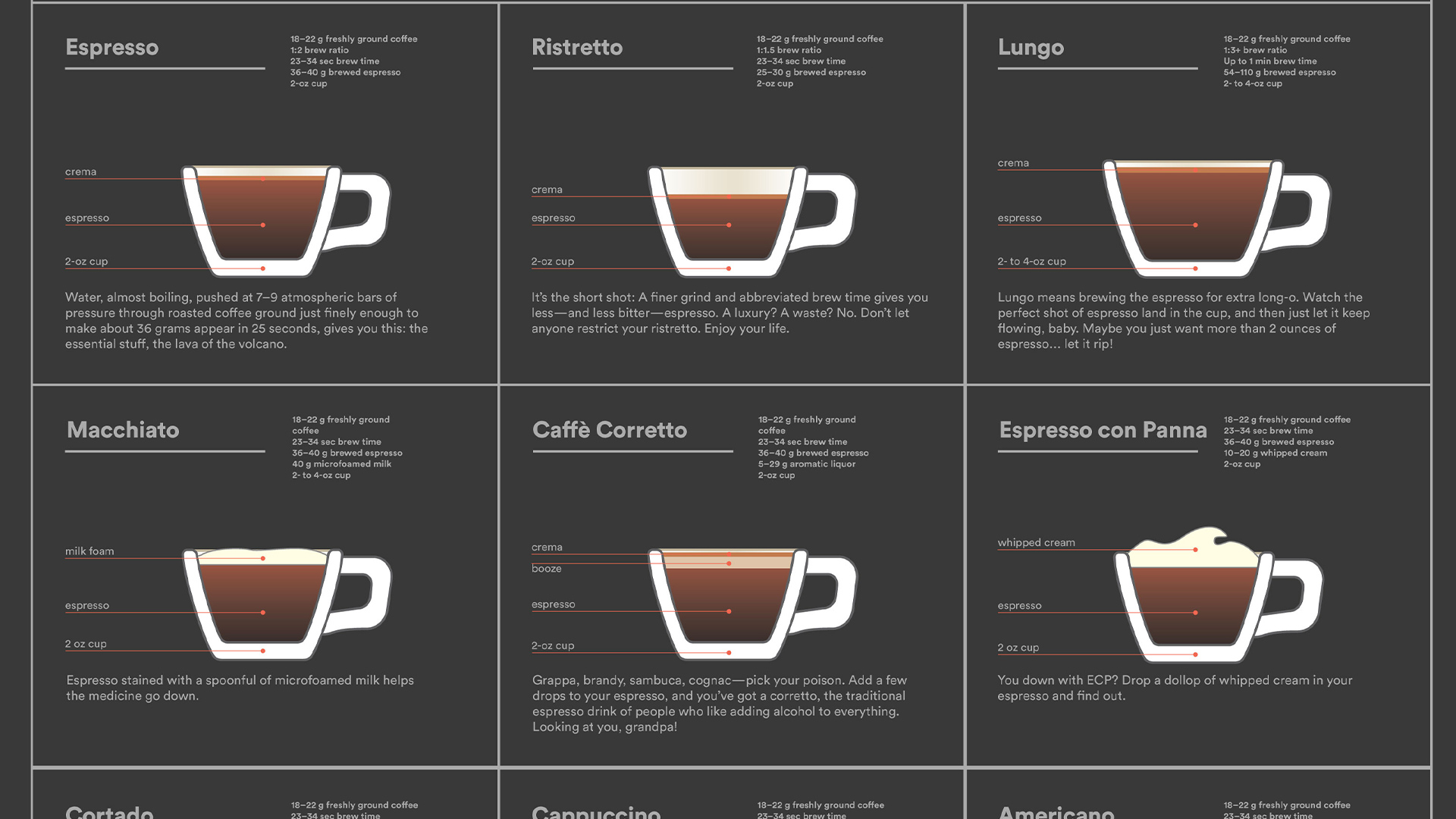 The Ultimate Guide to Espresso Drinks
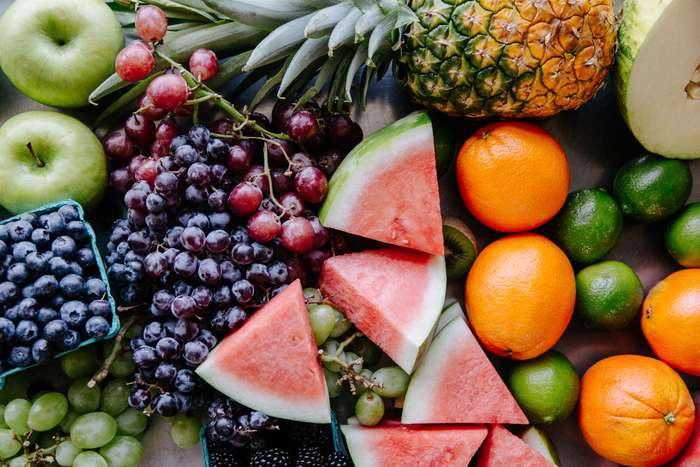 Tips & Tricks: Fizzy Fruit!
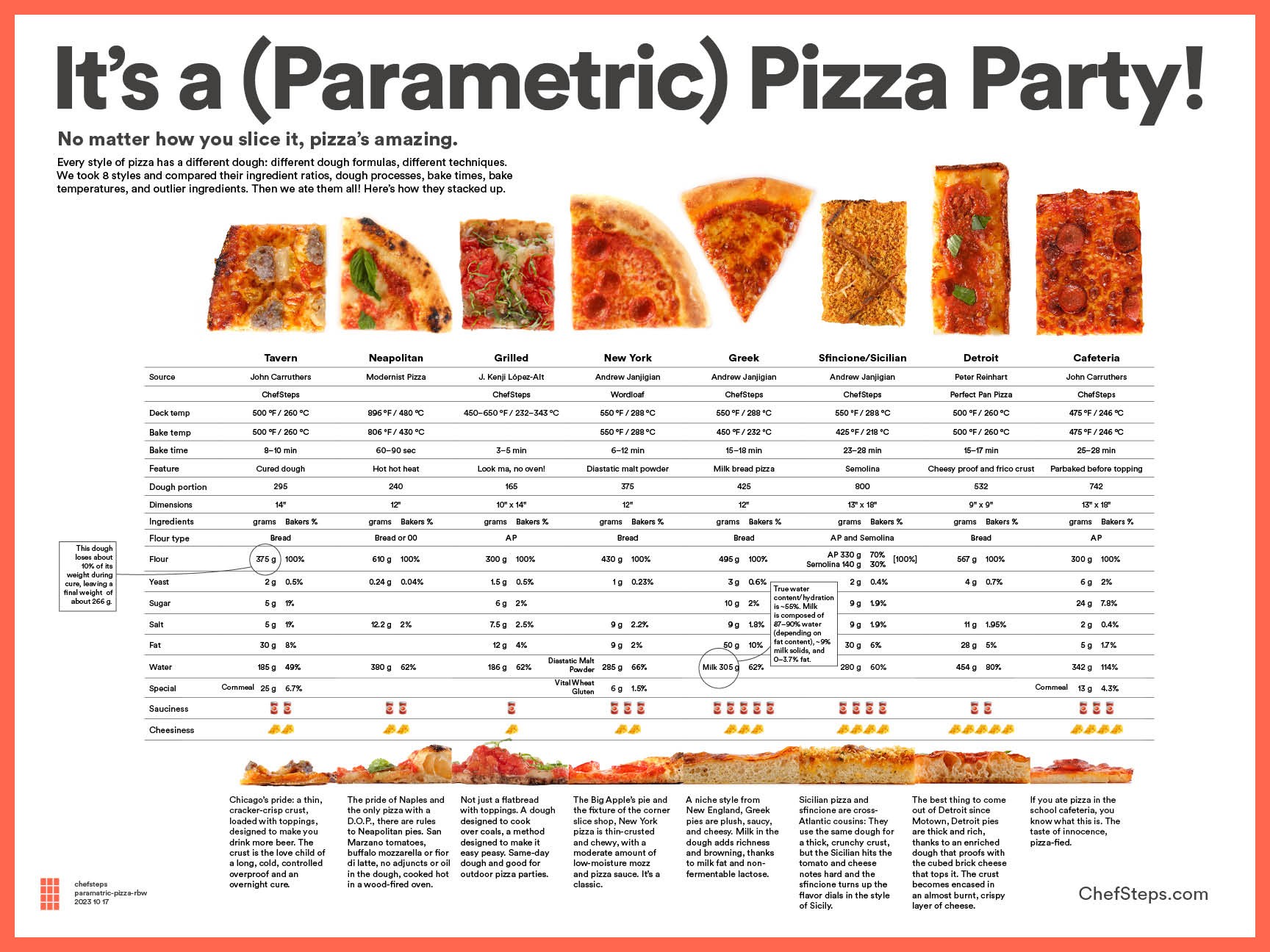 Pizza Doughs: A Parametric Analysis
 the Control Freak™ Home
 the Joule® Turbo Sous Vide
 the Joule® Oven Air Fryer Pro