Go to the Article: Grilling Geekery
Thanks! Embarrassing! Fixed!
It sounds like you've got it figured out pretty well already.
A high heat charcoal burn uses a good amount of oxygen, leaving very little to help completely burn the hydrocarbons in the fat drippings. With an open lid there is enough secondary air above the charcoal to allow ignition of the fat, but might not be not enough to get a complete burn if there's a lot of drippings. Incomplete carbon combustion gives you dark, sooty smoke. Therefore, really fatty meat should probably be avoided using direct method, open top grilling for the exact reason you mention: yucky black smoke.
The trick is to provide enough oxygen below the charcoal to maintain a high temperature burn of the charcoal, and yet starve the copious fat drippings of oxygen above the charcoal to prevent of limit ignition. Or grill stuff that isn't too fatty.
In your situation, keeping bottom vent relatively open and your lid closed, but damper top off (or all the way open) on the Big Green Egg will probably reduce the oxygen enough to avoid sooty flames, and still give you high heat and some smoke.
Do you have any tricks that you use on the Egg that work for you?
I disagree with the generalization that what you get in a bag of lump charcoal is "usually a total crapshoot".
I concur with the guys at Naked Whiz.com. Some brands are very consistent (like Royal Oak), and some tend to be rangy, some are just bad. I have experimented with cheaper brands of lump and have occasionally ended up with something that smelled like burning railroad ties.
Oh that's such a brillant Idea!
Thanks for the references to the 3 web sites. Very informative. My son & I thinking about building a wood fired oven in his backyard. We smoke a lot of meat in the Fall for use for the rest of the year. CS rub recipes are great.
Could you discuss the impact of the level of oxygen in the grill when cooking with charcoal. My experience using the Big Green Egg is that even when the temperature is high, I see relatively few flareups even when cooking a fairly high fat meat (i.e. a burger) (I check by looking down through the top of the egg with the lid closed). I suspect that the low levels of oxygen in the egg when the lid is closed make it difficult for the drippings to burst into flames. The end product from the egg is juicy and delicious while having a great crust. By comparison, if the lid on the egg is open when grilling high fat meat, the flareups are constant.
When the drippings cause a big fire flare up (open lid egg) the burgers or high fat meat seem to get coated with thin layer of blackening that tastes terrible.
Maybe I am off base, could you comment on the role of oxygen in flareups and what is happening when the flare up produces a big, food engulfing flame, rather than simply a small flame and smoke?
"Reeks" of turpentine, not "wreaks".
Lava rocks will indeed cause flare-ups, but the chemical reactions that occur with hot charcoal are unique, creating distinct flavors that you just can't get with rocks.
Can Lava Rocks Gas Grill be substitute for Charcoal grill (Flavor of drippings)
I would like to ask if the Lava rocks under the gas grill can achieve the similar result? I saw in Japan that they put stones inside the gas grill at the table and some izakaya put stones inside the gas grill when doing skewers. So my guess is when the drippings hit the rocks it could generate the similar flavor and aroma as charcoal?
Also are lava rocks and sauna rocks are the same? can they be use for grilling? are there any stones or rocks or any heat conduct material to use for grilling?
Original forum post :http://forum.chefsteps.com/discussion/2023/can-lava-rocks-gas-grill-be-substitute-for-charcoal-grill-flavor-of-drippings#latest
Hi Robert: You might find this link to our forum helpful.http://forum.chefsteps.com/dis...You will see that I include the FDA pasteurization standards for a 6.5 log reduction of salmonella. If you have additional questions, please ask on the forum and we'll do our best to answer them.
Hello Chef,My name is Robert and I am a chef at J&W in Charlotte. I love your work! Thanks for sharing. I am wondering if you have a good source for pasteurization (time/temperature) in regards to sous vide items and any other recommended resources. I would like to put some information together to present to the NC Health Department to advance the acceptance of the procedure in our state.Thank you!
- originally posted by Robert Brener
based on this i've an idea that i would like to try.i'm going to reserve juices from sous vide steak, and light one briquette beforehand. pour a teaspoon or two of those reserved juices from the steak on a briquettes, and leave the steak and close the lid for few mins. this might just work...
- originally posted by lostinsydney
This site is intended for U.S. residents. We do not ship products or provide subscription services outside the United States.

 Sous Vide Holiday Turkey
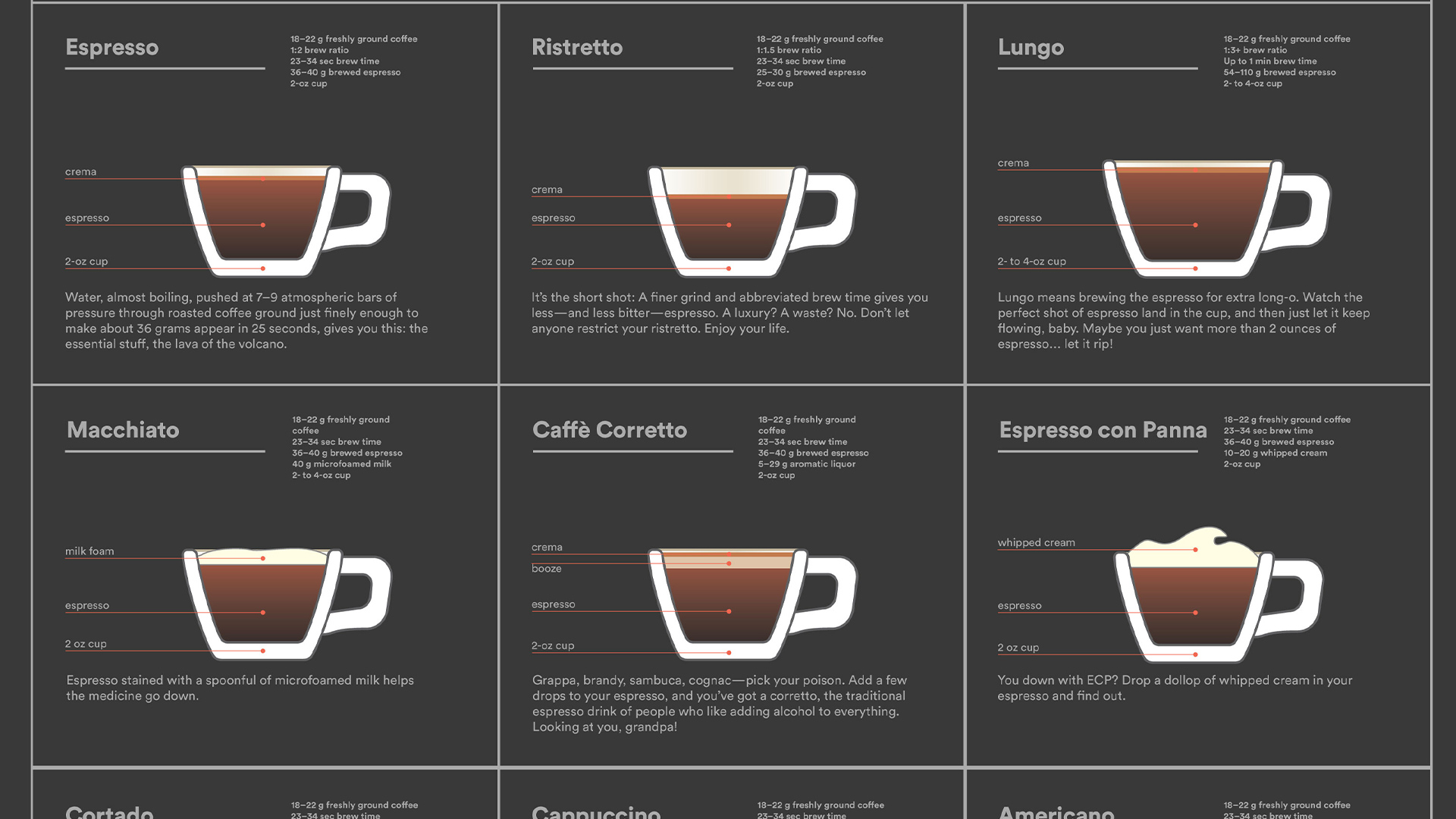 The Ultimate Guide to Espresso Drinks
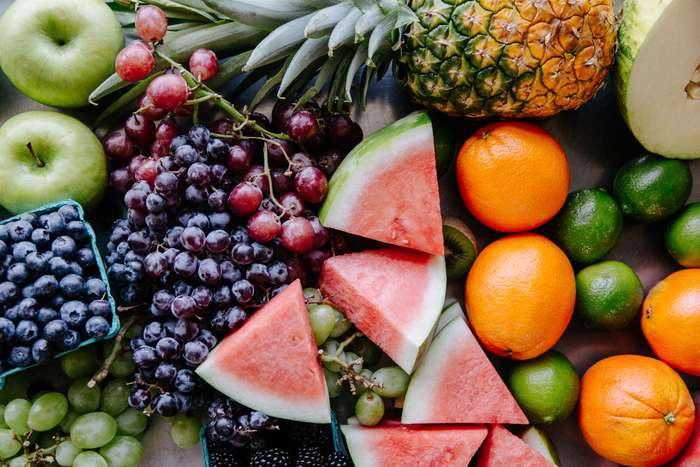 Tips & Tricks: Fizzy Fruit!
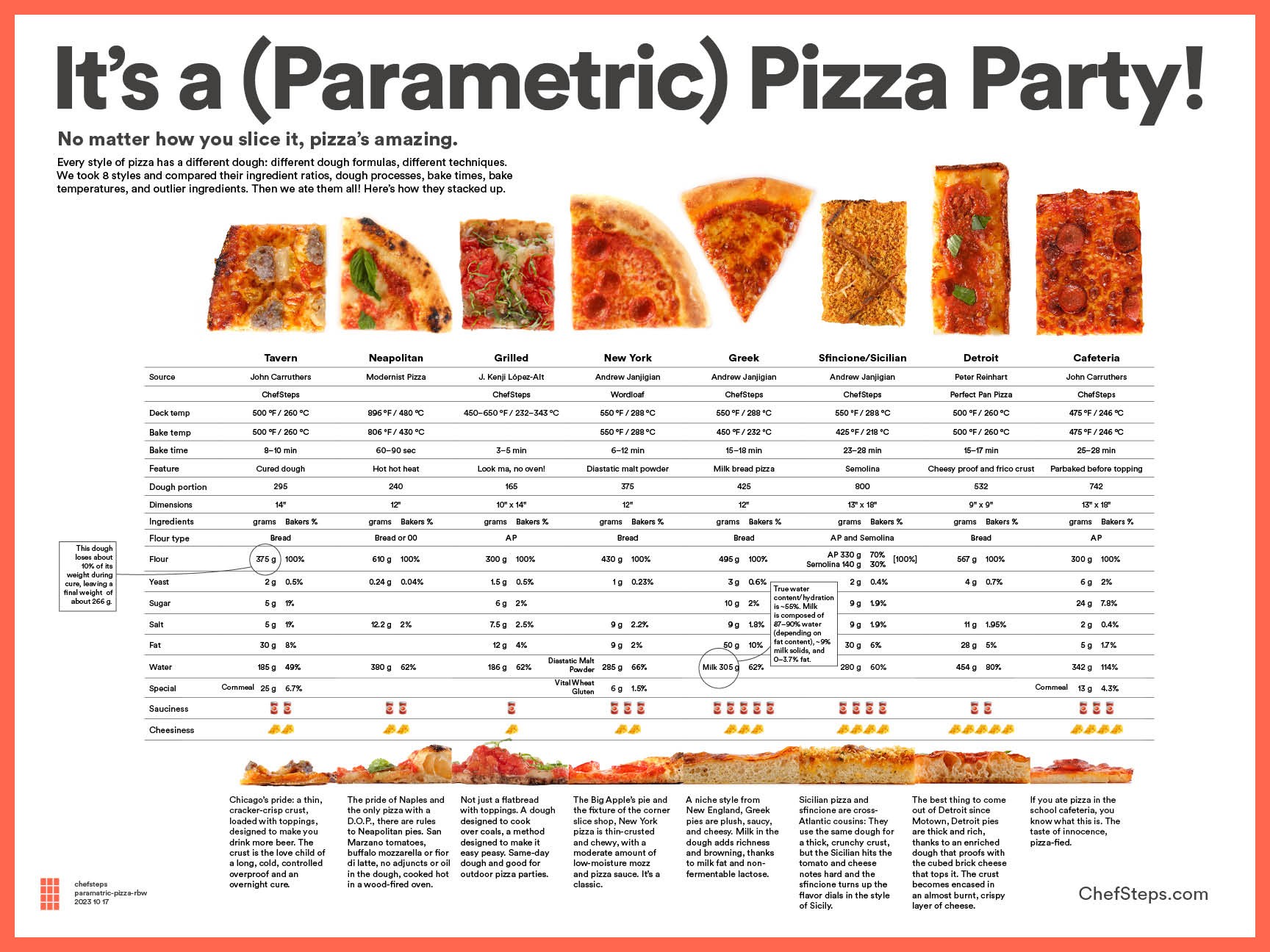 Pizza Doughs: A Parametric Analysis
 the Control Freak™ Home
 the Joule® Turbo Sous Vide
 the Joule® Oven Air Fryer Pro