Go to the Recipe: Secrets to Perfect Sushi Rice, With Taichi Kitamura
Yes, 9/4/1 is the recommended ratio.
Hi Chef Steps, is the vinegar mixture correct as follows: 90g vinegar, 40g sugar, 10g salt?
also like to know, expect to be for uncooked.
> The mixture uses nine parts rice vinegar, four parts cane sugar, and one part sea salt.
How is this measured? Is it by volume or by weight
Would still be great to have an answer on this!
Based off how they suggested ~30g of sharizu per cup of rice, it seems like they are going by weight.
Did you find an answer to this question?
Suspicious of and avoiding ALL non-stick surfaces (what's the science behind platinum infused non-stick?), I searched for and found a rice cooker with a stainless steel pot. Bought me an Instant Pot, an electronically controlled pressure cooker with a "rice" setting and a dozen other features... including a humongous FB group for ideas and support. Makes great rice and SO much more. It has earned every inch of counter space it occupies. Thanks for these articles and for the gems in the comments. Learned a lot today.
Yep. IP works fine.
Are the sharizu ratios by weight or volume? Someone asked two years ago but I guess nobody answered. Thanks.
Perfect sushi rice in small balls, are a perfect filler in a salad ... actually you can make a great "deconstructed sushi" salad
Alex, keeping your hands cold is the key. Have a little bowl with water and ice cubes. When working with cooked rice the idea is to moisten your hands with the cold water and slap your hands to remove excess water then to work quickly with the rice. This will help prevent the sticking of the rice.
After the cleaning dry the rice in a colander for 20 minutes, or leave over night. This allows for even moisture content when starting to cook the rice. Rice conditioner wasnt mentioned as an ingredient. There is a conditioner that is used while cooking the rice.
The zojirushi rice cooker i have with fuzzy logic allows for cooking the rice with added ingredients
I've tried all sorts of methods for cooking rice with little success. Even my rice cooker rice was coming out mushy. I finally started soaking my rice because it seemed to help with cooking beans. Sure enough it is the secret. I've been getting perfect rice with any kind of rice this way. I wash the rice very well, then cover it with water by at least one inch. I let it soak for a minimum of 30 minutes but preferably an hour or two. I rinse it one more time and fill the pot with barely enough water to cover the rice. I put it on the stove and bring it to a boil, turn it down all the way and cover it. I let it cook for 20 minutes then turn the heat off and let it sit for 20 more minutes. I always add a couple tablespoons of coconut oil to my rice before I cook it. Cooking rice with fat helps convert some of the starches to a "resistant starch" that you cannot digest, but the bacteria in your gut feed on it. Very good for you and it (slightly) reduces the calories you get from the rice. You can also boost the formation of resistant starches by cooling the rice until chilled. You can then reheat the rice but the resistant starch will not revert to the digestible form.
Is there any substitute for the cane sugar?
Is it fine if i first wash the rice and then i use the Pilaf method ?
I like using the pressure cooker with a bain marie method. I also use more interesting liquids rather than water. https://www.hippressurecooking.com/easy-pressure-cooker-steamed-rice/ Often, i'll use chicken broth, garlic confit, coconut milk, or some combination of those. Rice comes out excellent and none has to be discarded.
Tried this last night - the taste was good, but I did find rice grains were sticking to my hands like crazy. Also - is there some technique to measure how much cooked rice you have? After scraping off the layer I just eye'd it.
Sorry. I mistyped. I meant bag, not bar.
I have made great sushi rice via sous vide. Heat 1 cup of rice and 1 cup of water in a sealed bar with the air pressed out for about 30 min at 95C. Be sure to leave some headspace in the bag to allow for expansion of the water vapor while cooking or the bag might open.
In step 4 when you say "per cup of rice", do you mean cooked or uncooked cup of rice?
I use my rice cooker to have steel cut oats waiting for me in the morning. It also has a slow cooking function.
America's Test kitchen lists a $40 rice cooker as their #1 pick. I have one from Target that I've been using since 2010ish. Many have other cooking applications other than making rice alone. Food for thought. You dont necessarily have to go whole hog and spend $300-$500 on a fresh off the boat model from Japan.
Interesting to know the Japanese have a similar technique. After 20 minutes, do you rest the pan off the heat before removing the cover? (I don't recall the details of the korean technique, besides the knuckle thing.)
I tend to bring to a simmer, cook for 15 minutes covered, then 5 minutes off the heat - which is a little tricky because you can't peek and see if the water is gone without letting the steam out. (Often, for mexican / indian food, there will be sautéed onions, herbs, spices, chicken broth, and/or tomato involved.)
I also know a microwave technique - cover bowl with plastic wrap and run on defrost (or reduced power) for about 10 minutes. It takes some experimentation to tune for a new microwave (power level / time), but once you nail it, it's a nice way to make a fresh, single serving of rice at work.
Hmm, I think my comment reads a bit too dismissive.
I'm not using short-grained rice for the dishes I described. It's just that most of the rice I make would have to spend time in a pan anyway, so they'd be awkward to make in a rice maker. And I'm reluctant to buy a good rice maker just for sushi rice.
This is compounded by the fact that I have made passable sushi rice in the past with a pan (and the bamboo thinger for cooling / seasoning the rice). I used to make sushi once a week, but that was years ago and I've gotten a bit rusty since then. An old photo from 2009 (usually I'd put tobiko on the California rolls, but I guess I'd run out that week):
Oddly, the diameter of the pot does not matter (within reasonable limits). Smaller diameter equals less surface area from which the water evaporates. This reduces the required volume of water that would result by fixing the depth of water that covers the uncooked rice. BTW, I am Japanese-American and I'm not surprised to hear that Koreans have the same technique.
are the ratios by weight or volume?
Thanks. Finally somebody speaks plain engineering English to me.
Cooking rice isn't voodoo after all.
Doesn't sound very much like you would even use short grain sticky rice (sushi rice) for that. Or even expect anything resembling the usual sticky sushi rice end result.
The rice cooker thing isn't gonna work for me either. Most of the rice I make involves sautéing onions and toasting the rice, so it's not really worth it to own a rice cooker. Still, I'll definitely give the soaking step a try.
I think the first knuckle thing is Korean. (I've heard that both from my Korean relatives and the "Cook Korean!" book.) It seems imprecise as it depends on the diameter of the pot. I'm guessing it'd fail when making 1/3 cup of rice, which I've pulled off with my "double the volume and add a splash for evaporation technique.
In the video it says 1oz per cup of cooked rice.
Perfect rice can be made in any pot. The process I grew up with started with rinsing the rice (any amount), pouring it into a pot, adding water until the water rose above the rice to the "first knuckle of your index finger", covering and bringing it to a fast boil (which you will know when the cover begins rattling or water starts to spill over the rim), then reducing to a simmer for 20 minutes. This works for all manner of white rice, in any quantity, and all sizes of pots. Go figure. We endlessly badgered my mom for this imprecise method but ended up adopting it simply because it works. Of course the "first knuckle" is a bit subjective, but after a couple of pots of rice you will know where that point is on your own finger that produces the consistency you prefer. (Actually, for me it is slightly below the crease on my finger). By the way, sushi rice does need to soak before cooking.
If you have a dumb rice cooker (bi-metal thermostat) I might have a few tips.
First, don't make small batches. Too easy to go wrong.
Then, don't use the 'automatic' mode. Use the high setting only until the water boils well. At this point a simple rice cooker will continue to go full blast until the cooker ran dry.
Instead, once it boils and steams, switch the cooker to low and let it steep for 15min or until the water is absorbed.
I found the result quite good. No mush and no burned bottom.
has anyone tried to use an Instant Pot for sushi rice? I would love to not get another appliance if it works.
For the rice seasoning, is it 1oz per cup dry rice or cooked rice?
I scoffed at the prices of zojirushi rice makers until I used one in my rental in Tokyo. They're simply amazing machines and worth every penny.
https://www.youtube.com/watch?v=DJFU7ezipbg Maby this will help
I have been waiting for this ever since Grant went to Japan last year. I was wondering if you guys would ever provide any Japanese recipes. I know it is Sushi. I hope it is only a start and that we will get other deliciousness.
Now let's get down to business, what is the ratio Rice/Water recommended? My rice cooker is quite old and I do not have access to this information. I'm using AKITAOTOME rice (I could not find KOSHIHIKARI near me).
would also like to know tips on getting good sushi rice without a rice cooker
(Also, how do I choose the ratio of water to rice, given that I won't have markings from the rice cooker to help me out?)
So, supposing I want to use my SV setup to cook the rice instead of a rice cooker - I see time is about 45-60mins - what temperature do I want my water?
Have not made sushi rice in forever. Excited to try this out. Just need to buy a new rice cooker
This site is intended for U.S. residents. We do not ship products or provide subscription services outside the United States.

 Sous Vide Holiday Turkey
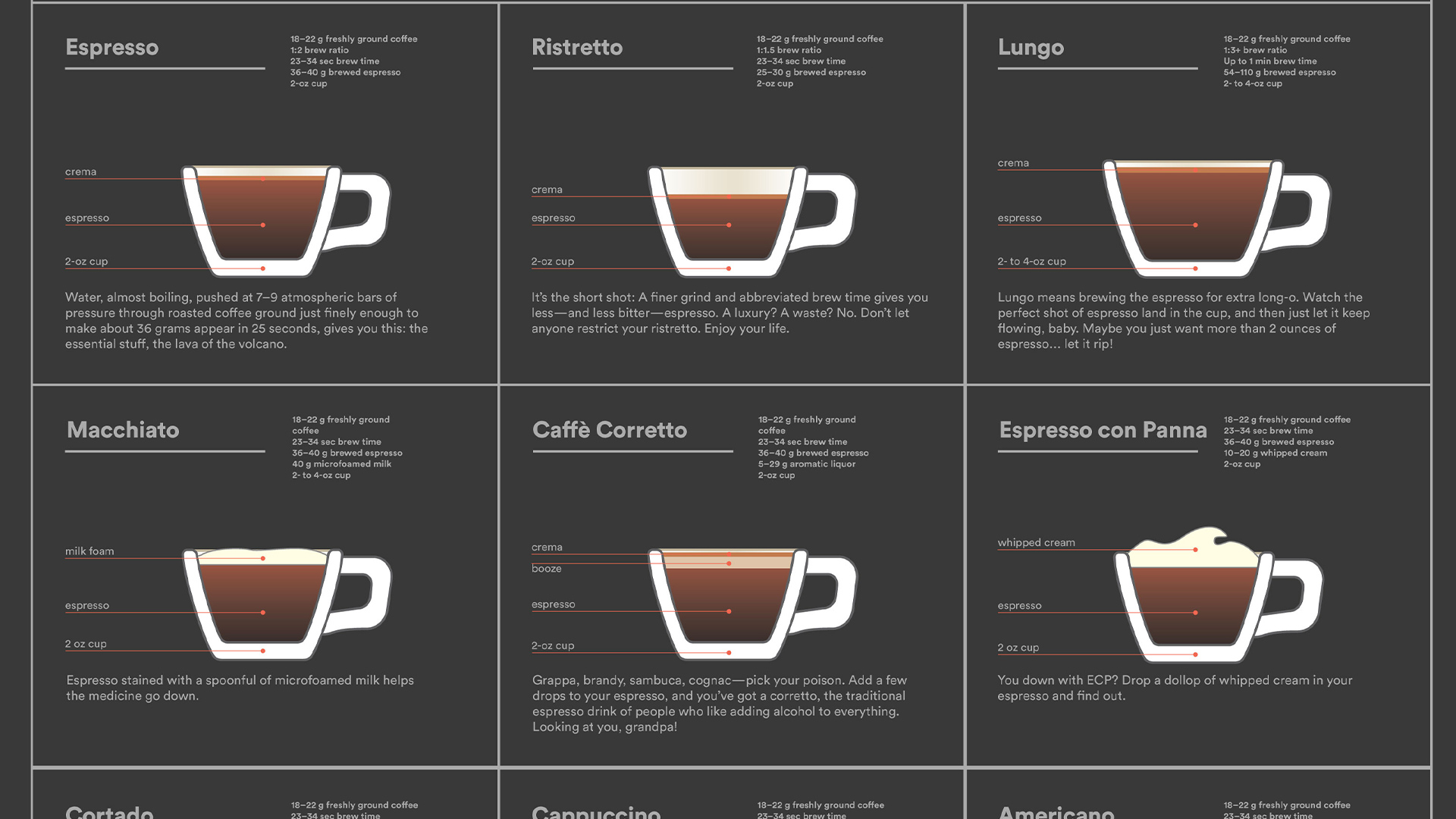 The Ultimate Guide to Espresso Drinks
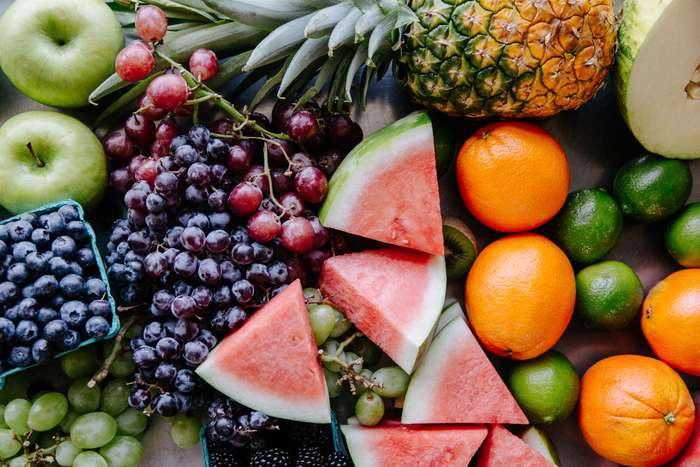 Tips & Tricks: Fizzy Fruit!
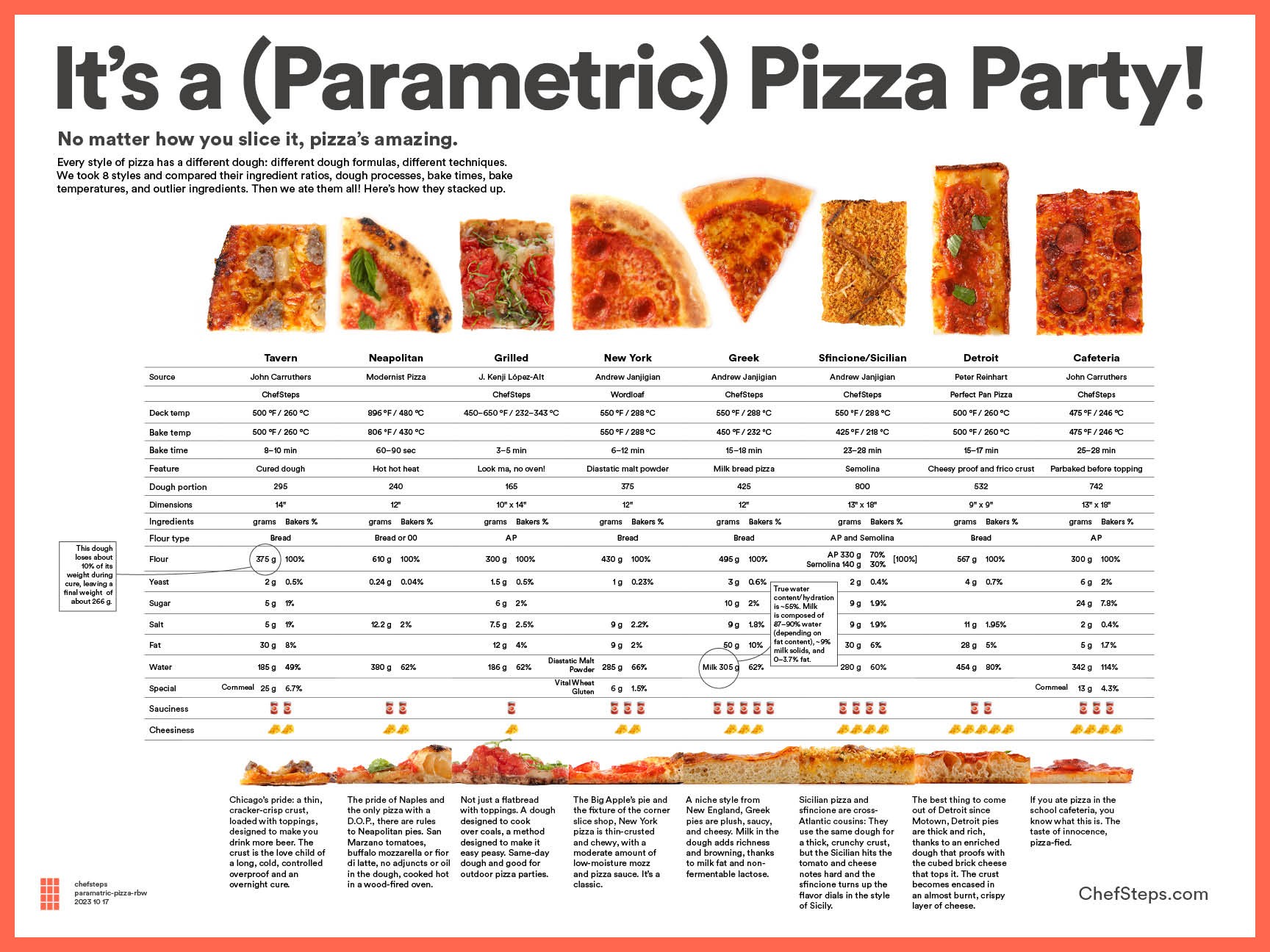 Pizza Doughs: A Parametric Analysis
 the Control Freak™ Home
 the Joule® Turbo Sous Vide
 the Joule® Oven Air Fryer Pro