Go to the Article: Balanced Meal Planning With Jef Nelson of Shogun Fitness
I need healthy food, including salad, soup, and a course of main dishes
You can but need to make sure that the container and/or plastic film is microwave proof.
Please don’t microwave in plastic!!!
I actually happened upon a version of "meal prep" when I over purchased chicken for a meal. once it was totally cooked with Joule I placed it in glass container in the fridge. The next day I sliced and seared the chicken stove top and steamed some vegetables. It was a healthy fresh non microwaved meal in under 10 minutes.
Put a little cup of water in the microwave with your meal, it will help it not over cook the proteins.
Tell me about freezing these. Is that even a reality?
I've "soft-boiled" eggs (45 min @ 140) then re-heated in a minute in boiling water. I general eat over potatoes roasted in a giant batch while the eggs sous vide, reheated in the microwave at about the same time for the egg(s).
I made the steak and pork meals. Both are very good....but after the first microwave reheating, I learned to take the meat out and add back the last 30-40 seconds or it's seriously over cooked. Green beans don't steam enough in a couple of min and they are "chewy". Next time, I'm pre-cooking veggies and will eat the protein cold or minimally reheat.
It was a luxury to pull out a complete meal for lunch..the portions are just right. I even bought the 25 oz Glad containers!!
man this is exactly what I was looking for, I have been batch cooking chicken thighs for Miso chicken + rice + broccoli/carrots for months...
If you heat up your prep meal in the microwave, wouldn't it ruin the perfectly cooked proteins?
Loving this guys......would be great to have something similar for breakfast!!! Some sous vide porridge that's ready as soon as you wake up! With a busy lifestyle breakfast is sometimes the hardest to get right would love to see what ones you could come up with, with the same principles 😃
This is exactly what I've been using my joule for and I'm so excited to see these guides come out! I'll be trying them out for sure
Pretty sure you're right Cameron. These are the portion size guides we teach in the Precision Nutrition curriculum to our clients. A very handy (Pun intended) way to gauge and control your portions at each meal. Counting calories and weighing your macros is not sustainable for most people over the long haul. These are solid, general guidelines for many, though not all people. People are more or less sensitive to macros and may require larger amounts of some and less of others. Portioning out your meals has many advantages; convenience, control and minimizing the temptation to over eat. Getting into the habit can be tremendously beneficial, but before mainstream souls vide has made it much easier for many to do so. Thanks Chefs Steps!
Hi Bill
thanks for your points. I agree that the whole nutrition area is very,confusing, unfortunately. Keeping protein low is something I agree and tend to do too. The article I mentioned is few yrs old now, if you are interested in the role of protein in everyday eating, it might be worth checking Professor Longo's most recent published papers (on google) (which is not conclusive, by al means)(he suggests a vegan diet mainly, with some fish,meat, eggs and dairy occasionally)
Hi Grant, are you sure it's not supposed to be a "thumb-sized" portion?
stefano, although the study referred to in the article is only an observational study, and therefore, only good for forming hypotheses, it raised some good points. To its credit, it does contain a comment from Peter Emery, head of nutrition and dietetics at King's College London, where he said, "I would urge general caution over observational studies, and particularly when looking at diet, given the difficulties of disentangling one nutrient or dietary component from another. You can get an association that might have some causal linkage or might not."
Because there can be a different problem with high protein ingestion, i.e., that the body will convert excess protein to carbohydrate through the gluconeogenesis process, I try to keep my protein intake low. In addition, I am leery of reliance on the Precautionary Principle, which Principle asserts that the burden of proof for potentially harmful actions by industry or government rests on the assurance of safety and that when there are threats of serious damage, scientific uncertainty must be resolved in favor of prevention. At its core, the Precautionary Principle seems to contain many of the attributes of good public health practice, including a focus on primary prevention. It also recognizes that unforeseen and unwanted consequences of human activities are not unusual. Yet, there are reported examples of actions taken in the name of improving public health that would better have been avoided or at least considered more carefully beforehand.
A good example of misinformation and misuse of the Precautionary Principle is reflected in the dietary guidelines established by the Senate Select Committee on Nutrition and Human Needs in 1977. Senator George McGovern chaired the committee from 1968 to 1977. The intention of the committee was to take action to combat heart disease, certain cancers, stroke, hypertension, obesity, Diabetes, and arteriosclerosis. “Dietary Goals for the United States,” also called “The McGovern Report,” was written by a junior staffer named Nick Mottern, a Vegan who had no training in the nutritional sciences. The Report suggested that Americans eat less fat, less cholesterol, less refined and processed sugars, and more complex carbohydrates and fiber. The recommended way of accomplishing this was to eat more fruits, vegetables, and whole grains, and less high-fat meat, egg, and dairy products. They got it wrong. Even though there is no science behind this position, and there was much opposition from scientists at the time, and the dietary and health communities went into lockstep without questioning the validity of the advice. In truth, following these guidelines has resulted in a paradoxical situation: Americans are simultaneously overfed and undernourished.
it might be worth pointing out that high consumption of protein has also been associated to aging and cancer in the long run, as per:
https://www.theguardian.com/science/2014/mar/04/animal-protein-diets-smoking-meat-eggs-dairy
it is still too early to be hundred per cent sure, but sit should be taken into consideration
I’m a relative new-comer to Joule and the art/science of sous vide cooking. I find it really enjoyable to learn how to cook this way.
I am pleased to see Chef Steps bringing in Other People’s Ideas. Jef Nelson’s batch-cooking idea looks like a winner. As for his recipes, though, I’ll have to do some finagling with them because since finding out in January of 2012 that ingestion of carbohydrates is not required for human existence, that carbohydrates are the main cause of the epidemics of obesity and diabetes, and that the term “moderation” has no real meaning, at least in the context of nutrition, I have been living the Low Carbohydrate-High Fat (LCHF) Lifestyle, maintaining myself in a state of nutritional ketosis, and loving it.
And, although I know it is possible (on average) to enter and stay ketogenic by ingesting fewer than 20 grams of carbohydrate per day, I have set my daily target for maximum carbohydrate intake at 15 grams, just to give myself plenty of wiggle room. Most days, I manage to stay under 10 grams (about one-third of an ounce), which I think is pretty good considering that 100 grams amounts to only 3.52 ounces avoirdupois. So, with that as background, if anybody has been “Jouling” for some time, and is also living the LCHF Lifestyle, I’d love to hear how you’re managing it and am willing to try out some of your favorite LCHF recipes à la Joule.
Love the site, but these don't look very appealing to me. I'm guessing this is for people trying to seriously lose weight or get hulked up? Seems like the kind of "food as fuel" approach that sucks the fun out of eating. I'd be more interested in batch cooking ideas that had a bit more balance between nutrition and creativity/flavour.
I batch cook constantly and only cook when I'm in the mood. I bag the meats in portions for 2-3, sous vide them, then toss them in the freezer. As a diabetic controlled without medication, I eat very few carbs (mostly ketogenic) and could really use some good side recipes (no starchy veggies) to batch cook with Joule and freeze. I eat LOTS of good fats. I love being able to throw dinner in the spa then give it a nice tan with the Searzall.
I am definitely doing this, I find that I best lose weight if I eat preset meals. One vital info missing and been asked before above, how long can we keep these in fridge 5 days?
I noticed on the flank steak recipe recommending stubbs. Is there a cincern for sugar in sauces and marinades since we are already avoiding simple carbs? Also, I see a thumb size portion apllied to oils and maybe nuts but even eggs and avocado? Seems like a very small piece.
This is a great start but we will need more recipes because I lack creativity when it is about dieting.
Won't microwaving your food enough to steam your veg obliterate the protein by overcooking it?
Really awesome stuff. Always learn from your videos and website. Question: If you're cooking for the entire week, how long do each of these dishes last in the fridge? Since they're cooked, is it 4 to 5 days at most for beef/poultry/fish/pork?
Yay! I'm so happy to see this. Thanks for listening to my request . I think sous vide is such a great option for dieters but so many of the recipes are for total decadence. Happy to see some lower cal options.
Isn't this a recipe for warmed-over flavor with meat? I remember reading on Douglas Baldwin's site about sous vide meat stored out of the vacuum bag being especially susceptible to warmed over-flavor.
I do love batch cooking with sous vide though. I like to make a curry sauce, reduce it a little bit to compensate for meat juices, chill it, then mix with raw chicken. After vacuum sealing individually-sized portions in pint size bags, I freeze them flat and stack in the freezer. I can then cook them sous vide right from frozen and have curry with almost no effort! I'd love more ideas along these lines…
Hi Matthew! For fish you really can use the same time and temp as the other shown proteins or use the Joule app visual doneness, it's up to you. This was Jef Nelson and my attempt to make cooking sous vide a bit more simple for folks by introducing one temp for multiple proteins. For the avocado, a thumbnail sized hunk is the recommended dose, but really that's only if you want a beach bod, I ate a half an avocado last night;)
Hi
I have cooked my entire life and really enjoy the Joule. Every week chicken breasts are cooked ready to take on whatever we want - albeit salad, curry, sandwich.
Lovely ideas, but two things are nagging me here - temp and portion for fish, since it shows in the video, but not the recipes.
Secondly, what's a thumbnail-sized portion of avocado? Video shows avocado only briefly - I can't decide from the video, or the pictures.
Thanks!
Love this! MOAR please
I've been trying to diet for a while now but I always end up on this site, browsing and drooling. I'll be meal prepping these recipes, for sure.
This site is intended for U.S. residents. We do not ship products or provide subscription services outside the United States.

 Sous Vide Holiday Turkey
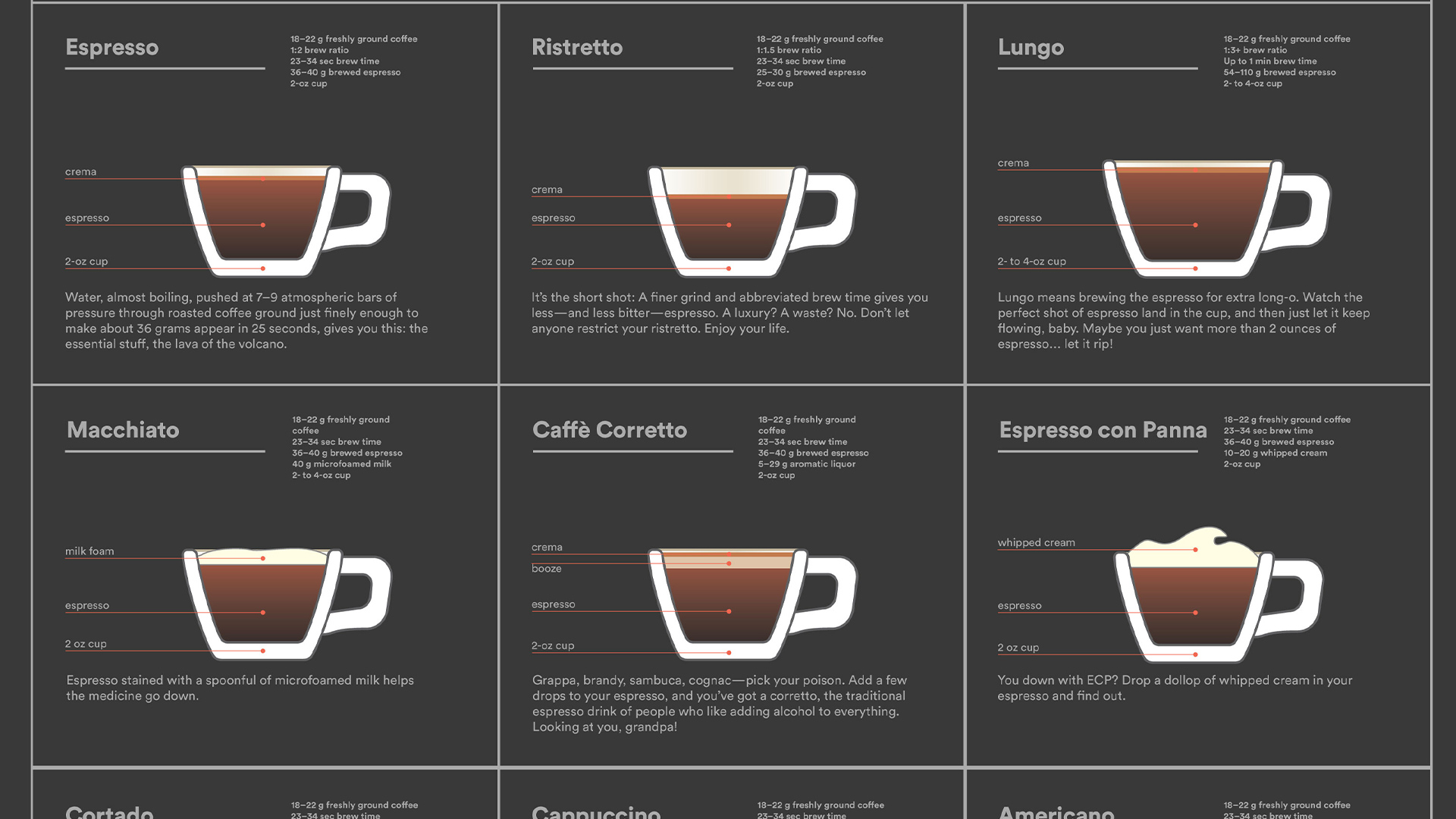 The Ultimate Guide to Espresso Drinks
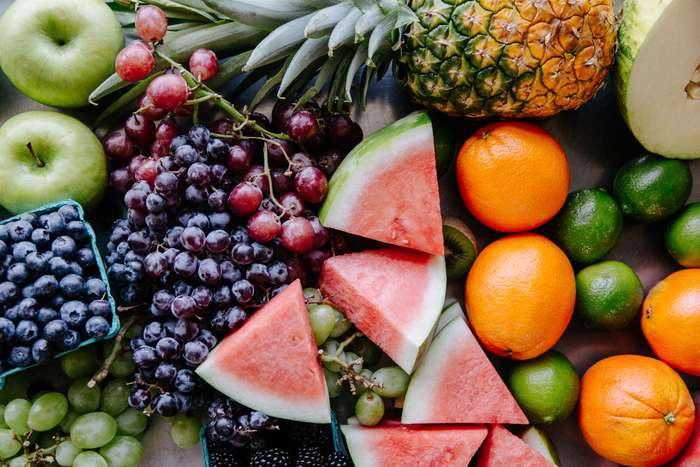 Tips & Tricks: Fizzy Fruit!
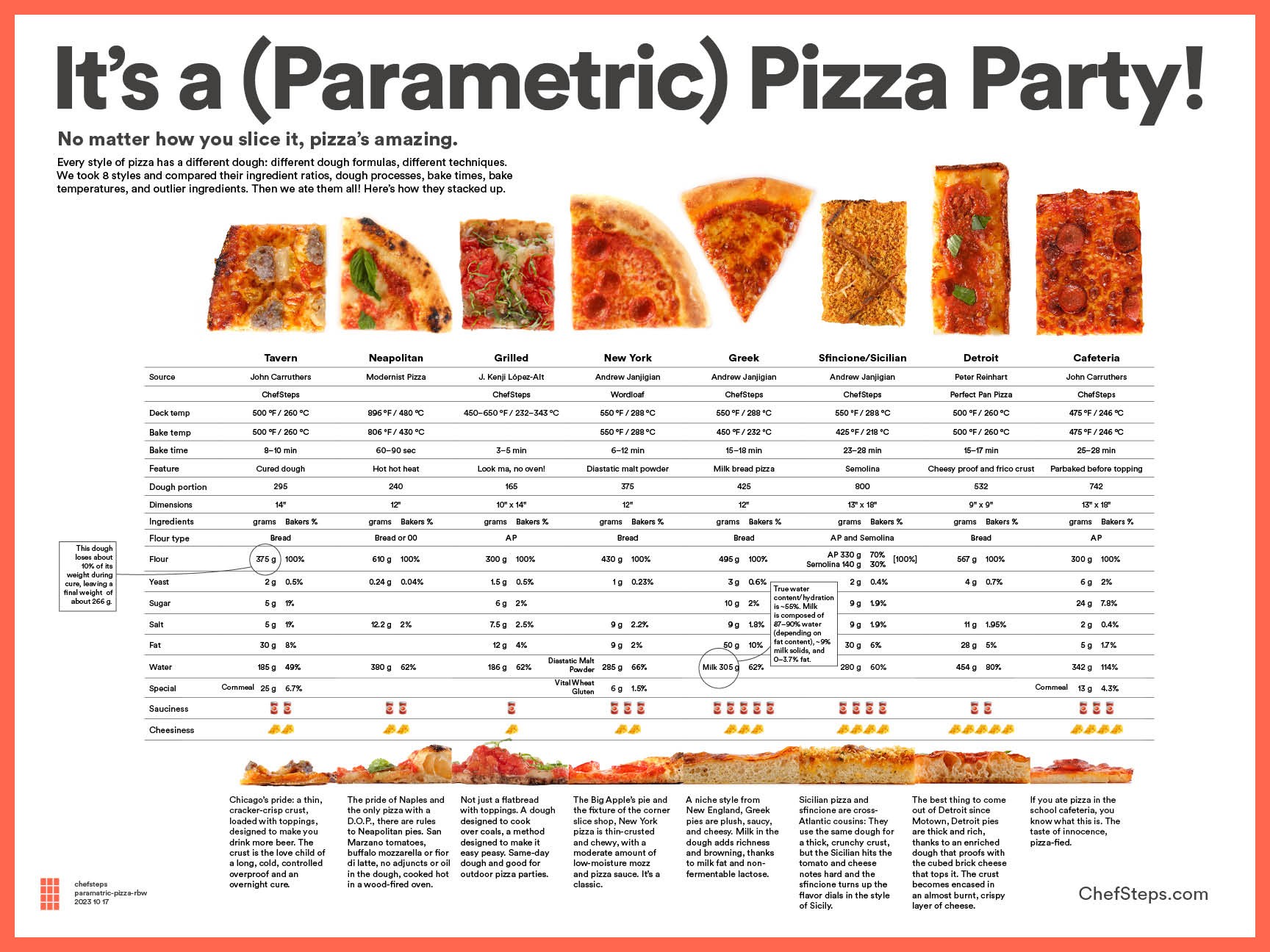 Pizza Doughs: A Parametric Analysis
 the Control Freak™ Home
 the Joule® Turbo Sous Vide
 the Joule® Oven Air Fryer Pro