Go to the Recipe: Design Your Own Foam!
Hi Lynn. Ph level of pomegranates (pH: 2.93–3.20). This is pretty darn acidic. I would recommend doubling the amount of gelatin, icing the isi down and use it with in a few hours of it setting up. High acid breaks down gelatin fairly quickly.
Hi Kyl, It was pomegranate juice
Hi Lynn. Is your liquid high in acid?
I made this 2 nights ago using the 1.5% gelatin and the whole thing came out liquid. (I used 2 chargers) Tried it again last night with the 2.5% gelatin, and 3 chargers. Foam came out beautiful but after 2 seconds it was liquid. Thoughts please!
There is no natural substitute for gelatin. There are hydrocolloids that can help you create a foam. Agar is one and both low and high acyl Gellan gums work too at around .5-.8%. Pectin also creates a great foam at the 1-2% range. Thats about all the experience I have. Xanthan gum has a synergy with other gums and plays well with other to help[ and increase foam power. https://www.chefsteps.com/activities/unlock-your-hydrocolloid-starter-pack This page has a bit more detail.
I understand the process of foams. Now if someone wanted to make a vegan foams as far as a cold foam but vegan(non-gelatin), what can one use to sub that. Xantham and agar are a choice but to what ratios ? I’m confused
I would love to make a Warm Demi-Glaze/Beet Foam for flavor color and presentation ... is this even possible? ( also the only gelatin available to me is flavorless packets sadly)
could you maybe give me a starting point. i want to make a white tomato foam. so there will be some acid but not excessive amounts. the foam is supposed to be really light with a coarse structure if possible. or should i rather use lecithin for that?
And to stabiliser the hot foam like Parmesan foam what you need? And service on top hot food?
yolks
you are correct Jeanine.
weighing it out on the scale . also 0.75% of the liquid 500 grams would be 3.75 grams of gelatin. 1.5% of 500 grams liquid would be 7.5 grams of gelatin, and 500grams liquid would be 11.3 grams gelatin
it is the percentage of the liquid so basically its the ratio of the recipe. guys at chef steps please correct me if i am wrong.
What is scaling sorry I’m not a chef? I have no idea what all this math means .05?
Really depends on what you want to achieve and what you are gelling. Dairy? High acid? I know this is a non answer but if you want to chat about a specific goal, lets work through it together.
hi, i would really love an answer to that question. my gf is vegen...
acid and alcohol makes the base weaker, is there a way of counteract this besides adding more gelatin?
I'd say use agar as it's heat stable but you would have to play around with the percentages because something like 1.5% would be way too high
Hi, if I'm making a passion fruit foam and I have 9.6 fo of liquid, how many gelatin sheets should I use?
Thanks
How can I may a warm foam, something simple like warm butter lemon foam
Has anyone had experience with adding alcohol content to the foam directly? I've done this with cream and a few dashes of bitters but I'm curious if I would be able to get a higher content into the foam itself. Is there a gel of sorts that would help?
Hi Harold,
I tried using my siphon for that incredible chocolate mousse recipe. It worked but several times I had an issue where not all the chocolate mixture in my siphon got out. Reading different tips from different websites, one advice from chef Thierry Marx kind of worked. Pour a bit of hot water on your siphon before serving if the mouse doesn't come out. It probably has to do with the temperature of the mixture : when it's too cold chocolate sets and doesn't come out. I'd need to experiment to figure what's the best temperature to serve when it has chilled enough. Anyone else has any tips? I'd be keen to master that recipe!
You can use powdered gelatin. You may have to play around with the ratios but start with the percentage by weight listed above and adjust from there. Agar agar could be substituted for gelatin but you'll have to adjust as above.
I would really love an answer to this question as well because I can only use kosher gelatin.
can powdered gelatin (knox, etc) be used?
Could I add egg whites to all recipes ? Many of your foams uses it, why not on this one ? Is there some rule about adding egg whites ? Fantastic video btw...
I have a second question anybody experience with Herve This chocolate mousse in the siphon. (i do it out of the siphon) Would like to experiment with this form of pure chocolate mousse.
Any formula % gelatin vs agar?
I'd lightly whisk some hersheys cocoa powder into some cold cream and just make chocolate whipped cream.
Can you store the liquid in the fridge, then add it to the siphon as needed. Looking to do a lot of foam; only have one 1pint siphon.
If we're going to make in advance and store in the fridge two days before serving - do we charge first or charge right before serving? If we don't charge, do we risk the content becoming Jello inside? How would that effect it. Thanks!!
If I was to use low-acyl gellan instead of gelatin, what are the equivalent percentages?
Just did the calculations from 170 bloom to 250 bloom (European gelatin is supposedly platinum/250 bloom according to chefsteps):
0.75 % 170 bloom = 0.61 % 250 bloom
1.5% 170 bloom = 1.2% 250 bloom
2.25% 170 bloom = 1.9% 250 bloom
Hey guys, quick question about gelatin foaming: I once encountered a completely set base in my siphon after refrigerating the siphon for a few hours. I used about 2% gelatin, aiming for a rather stable foam. Just to make sure: This is not supposed to happen, as in, it's just supposed to make the mix more viscous, not turn into a gel, correct? It's just that with our store-bought european gelatin, about 1.5% are probably enough to create stable gels, so I assume this is not what we're after..?
Just curious if the weight of gelatine needed is that pre-bloom or after bloom?
The weight of the gelatine is that pre-bloom or after bloom?
Hi Leon! Exactly! A percentage of the weight of the liquid. Thanks for checking!
Ellen, does the percentage refer to the weight of gelatine as a percentage of the weight of the liquid? 3.75g of gelatine for 500g liquid if making a cocktail espuma, for example.
Hi David! Step 5 doesn't actually involve fully setting the gelatin, you're actually just cooling it down to a point but it should still be pourable. That step is just to increase the viscosity a bit.
Step 5 says to chill over ice which sets the mixture, but then step 6 says to pour the liquid into the siphon. Are you putting the set liquid back into the blender to return to liquid and be able to pour? It seems like step 6 may be unnecessary.
Hi Marino! That stands for "As Needed."
What's A/N stands for?
I know things have gone a different direction, but this is one of the best ChefSteps videos of all time. One of the best videos OF ALL TIME!
If I wanted to make a chocolate 2.25% foam what would I use for a liquid choclate milk, hot cocoa...
After sealing the siphon any space between the surface of the liquid in the siphon and the top of the siphon is filled by air (~78% nitrogen, ~21% oxygen, &c.) at the same pressure as the environment (~1 atmosphere if at sea level). The purpose of clearing with the first charger is to flush out the mainly nitrogen atmosphere within the siphon and replace it with a carbon dioxide atmosphere.
Why would one want to clear out the air so that only a CO2 atmosphere remained? Well, the amount of a gas that can dissolve in a liquid is dependent upon that gas’ partial pressure in the surrounding atmosphere, i.e., in this case how much of the total pressure within the siphon is coming from that particular gas. This is known as Henry’s Law. But the presence of N2 and O2 in your siphon means that the relative pressure of the CO2 in your siphon is less than it would be if you had purged the other gases out first, where with the purge the CO2 partial pressure would be near 100% (it would be exactly 100% if only CO2 remained). This means that without the flush you are dissolving less CO2 in the liquid you’re trying to carbonate. Sure, you are dissolving N2 and O2 into your liquid when not doing the flush. But as N2 and O2 are usually about two orders of magnitude less dissolvable than CO2 in a liquid (e.g., water), when you go to enjoy your drink they will very quickly disperse from the liquid into equilibrium with the atmosphere—without providing any of the bubbling effect of the lingering, more-soluble CO2.
TL;DR: by performing the flush you get more carbonation bang for your buck. Well, maybe not for your buck given that you spent a cartridge to clear the air out, but you’ll definitely get more carbonation bang for your internal siphon pressure (but that doesn't sound so catchy…).
As I recall in another video, when using a soda charger to carbonate, the first charger needs to be cleared of air (I don't know why - I just follow orders . The 2nd and 3rd soda chargers are administered as you would with a cream charger without clearing the air.
In the video, at 0:40, he says "You don't have to clear it here because you're not carbonating it...." what does this mean?
I was reading in the description where it was talked about a mango "shaving cream" but i was wondering if the pepain would effect the outcome and what could be be done to negate it?
Agar-agar. Usually substitute agar with gelatine in equal amounts. Does not require refrigeration to set. Also sensitive to acid and fruit enzymes (fruit juice may be pre-cooked to denaturalise enzymes). Source: http://www.peta.org/living/food/gelatin-alternatives/
Agar-Agar. It´s like vegetable gelatine...
other than gelatine, what other non-animal origin ingredient can I substitute with?
This site is intended for U.S. residents. We do not ship products or provide subscription services outside the United States.

 Sous Vide Holiday Turkey
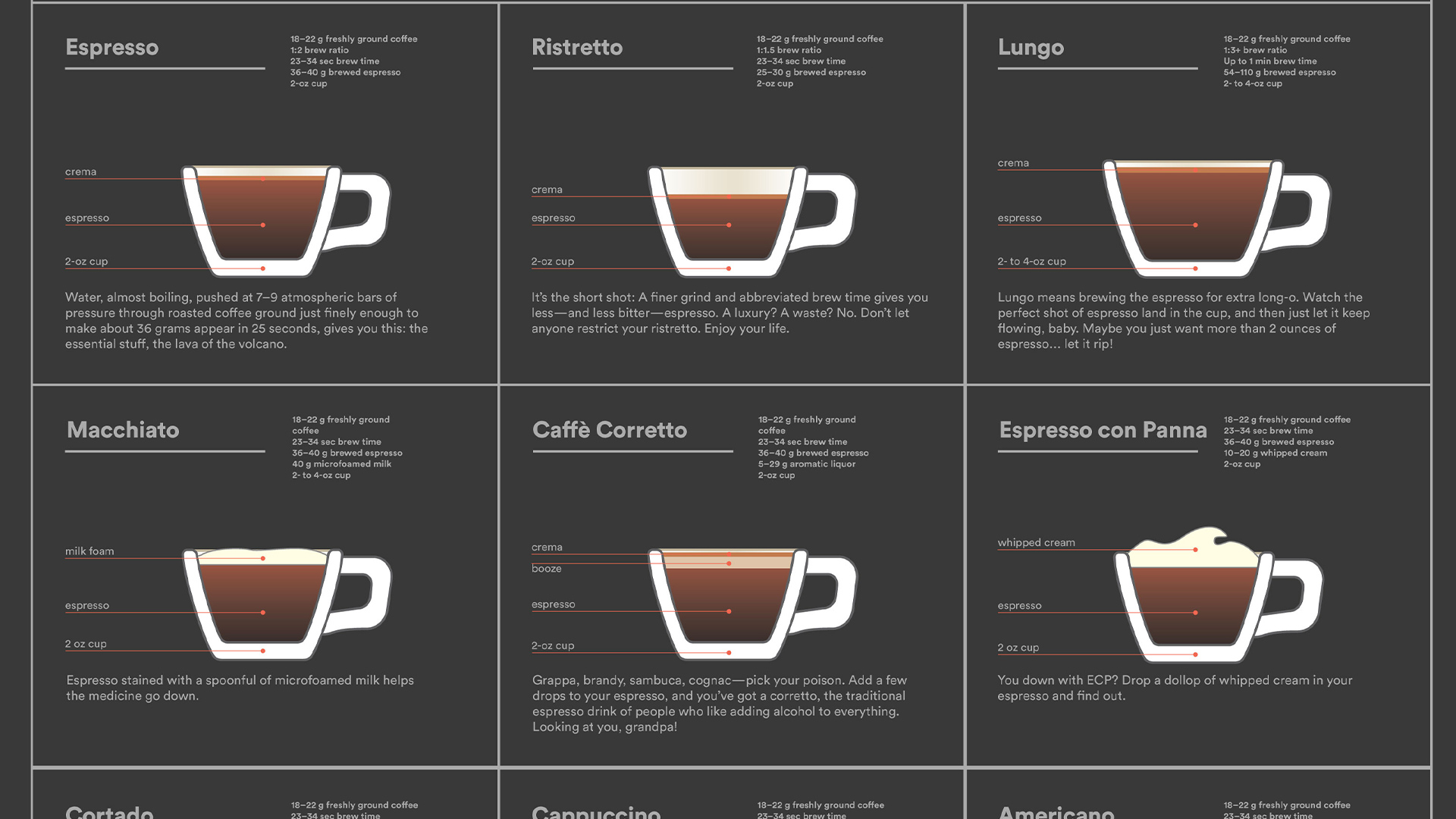 The Ultimate Guide to Espresso Drinks
 Tips & Tricks: Fizzy Fruit!
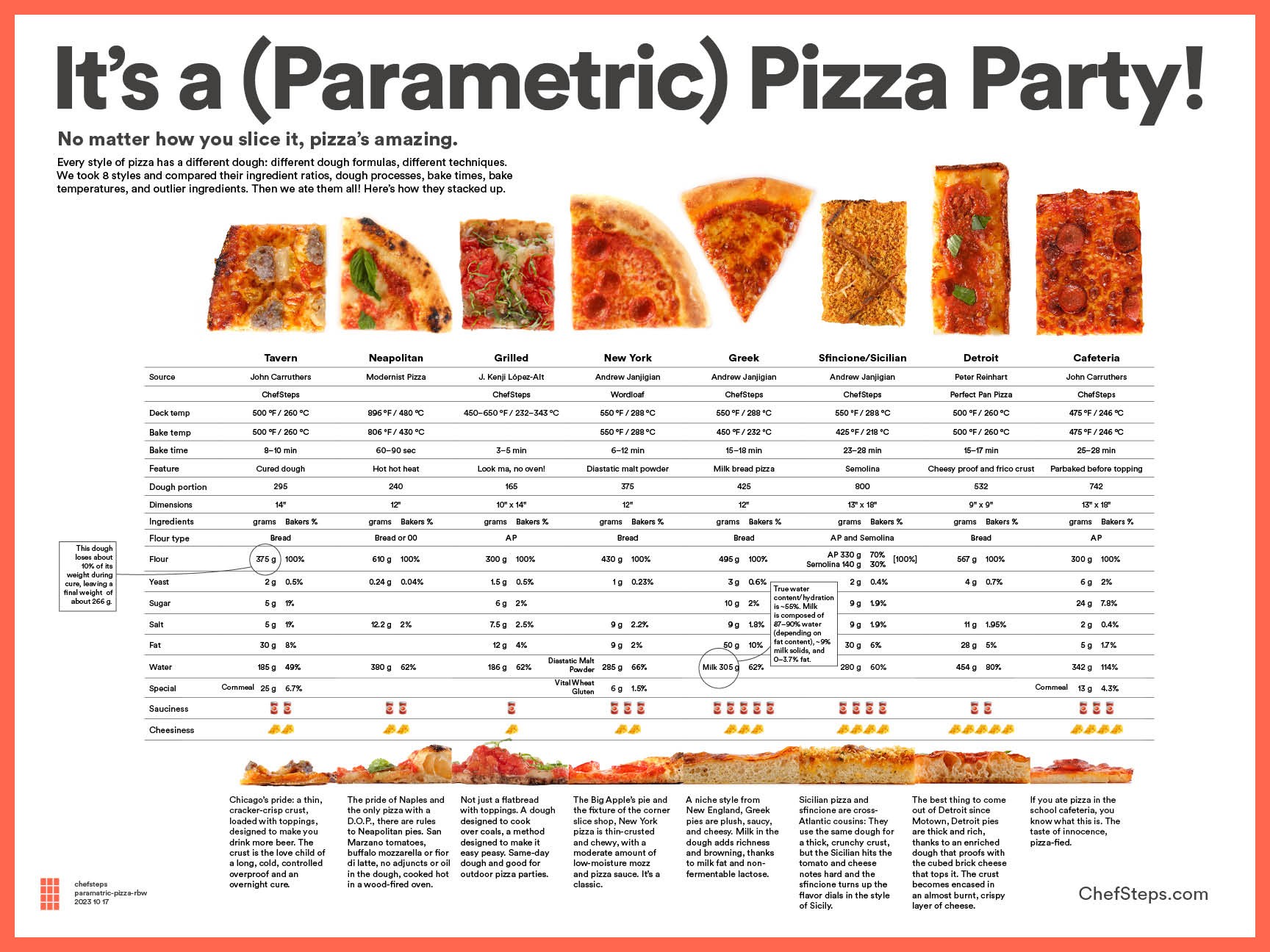 Pizza Doughs: A Parametric Analysis
 the Control Freak™ Home
 the Joule® Turbo Sous Vide
 the Joule® Oven Air Fryer Pro