Go to the Article: It’s Not Delivery—It’s Your Own High-Performing Wood-Fired Pizza Oven
We had a go at the pizza oven this evening. Worked really well. We used the Chefsteps pizza dough and it was great. Hot work.
Your wonkie website continues to confuse me. I signed in. Then tried to watch these videos. But each time I click on the right arrow, the video rectangle would change to black and I'd get this message: "Sign in to confirm you’re not a bot
This helps protect our community. Learn more". But the "Learn More" doesn't work. I tried logging out then logging back in. Same result. All I get are black rectangles instead of videos. Bet Bots have better luck.
Just built this using all pavers (couldn't find clay bricks). Can I use any kind of firewood (not treated), like wood I would get for fireplace?
Ash-Did you ever give this a try? I'm in Oakland and am tempted to make the trip to one of PBMs locations in the near future.
I knew the moment I saw this tutorial that it was the pizza oven that I was going to make. Fast forward a year and I finally built it. I had to modify the original design a bit to fit my scavenged bricks and pavers. And it took a bit of tweaking with wood types and airflow to get the result I wanted, but boy was it worth it!
All of my neighbors and friends are impressed with the quality of pizza that $20 in materials has produced, but I always give the credit to ChefSteps. This might be the best thing you guys have done. Thanks a million.
Chefsteps, would you please consider adding the date and time of each article? It helps to know what is new and old and in between. I got an email for this pizza oven from you guys today, but it's an old video and article that I have already seen. I got over excited when I already got excited. Thank you.
Didn’t see this. Isn’t there a gap between bricks?
There may be a design solution to your problem. But one thing you commonly see professional pizzaiolos do, and Grant briefly mentioned, is to periodically rotate and while doing that look at the bottom of your pizza. If it has reached the right degree of browning, and the top hasn't, use the pizza peel to raise and hold the pizza closer to the top of the oven so the bottom slows down and your get heat from the air and bricks at the top of the oven. Then you can remove it at the right point. This is the challenge of a wood-fired oven, it is constantly changing and you have to adjust how you cook each pizza based on visual cues during the cooking session.
Let us know how it works for you...
Would there be a problem building this on top of Cinder block so it would be closer to eye level. Getting to old to get down that far..
I am also in Australia and struggling to think what we could use.. other than casting your own paver with refractory cement etc that is used in other home kits, I am a loss
Please help! I finally built this thing. I followed the instructions exactly and it seemed to work fine. However the pizza cooked extremely unevenly. The bottom was very hot, but it cooked poorly on top. The top of the oven was barely 400 degrees and I got zero browning on top of the pizza. Was my airflow gap not big enough? Any help would be appreciated.
I would say if the oven is going to get wet or rained on I would cover it if you plan on using it with out it having adequate time to fully dry out. You don't want super wet stones to get super heated and crack or blow up on you.
Thanks for the reply. One other question. Would you suggest covering it from the elements?
It will work even better than the paver.. We give it as the cheapest option you can find.
I too am having an issue finding 16x24 paver stones. When I asked the guy at the mason supply, he looked at me like I was nuts. I found one size like that lowes, but I’m also concerned with actually cooking on it. I found a 16x24x1in pizza stone on Amazon I’d like to try to use as the base to cook on, and top it off with a paver. The stone is expensive, but I’d feel more comfortable cooking on it. Would this work? Any help is appreciated. Here is a link to the stone. 18 X 24 X 1 Rectangle Industrial Pizza Stone https://www.amazon.com/dp/B01B8L0WWK/ref= cm_sw_r_sms_api_glt_fabc_SV102C6Y1XJAZVQGA2DT
Just wondering if there is any risk of exploding bricks? Used concrete block pavers and concrete slab. Not much room in our student garden so it’s quite close to the house! Thanks
Someone convince me that the pizza I just made isn't toxic or whatever.(Besides all the smoke)
Pizza oven 2.0. The first oven was put together using old bricks from neighbor. There bricks did not fit well together. There were many gaps. Could not get temp above 500F. Took it down and used new bricks from home depot. The temp reached 630F. Was hoping to get it up ton750F but it was nightfall and we were hungry. Made a Margherita and a pepperoni pizza.
The crust was perfect. Crispy on the outside
Fully cooked on top. And with the smoky flavor you do not get in a house oven. Next time will start earlier to get the temp to 750f.
We had good success with this build but it also got me thinking about mods. Has anyone tried a wider deck to allow for more interior room baking as an attempt for a more evenly baked pizza? Front chimney to draw the heat across the top deck better? Fashioning a front door? Great fun!
I still haven"t located the proper size pavers, but I ended up adding some metal support layers to the structure to keep the pavers secure. I wonder if the metal (aluminum, I think) on the roof of the cooking area is giving an unindented heat bounce. I"m getting a pretty sweet blistering on the cheese during the cook, but I haven"t compared it to a cook without the metal roof. If I rebuild it, I may try it without the metal to see if there"s a noticeable difference.
I"ve realized that prepping the pizza outside is worth the effort so that I don"t have to run back and forth to the kitchen during the cooking. The fam will sit around a table and hang out while I prep and cook. It"s great!
That"s cool that you found a good supplier with options. It sounds like a key to keeping the stone from cracking is a slow heat ramp up on the first use or perhaps anytime after it gets wet.
The 2" works fine but like juan said they dont hold the heat as well so keeping your fire rolling hot will burn a little more wood is what i found out lol had to run out for some more between rounds 3&4 lol
Couldn't find the 24" pavers so i used 16" and worked great, thank you and yeah gotta watch that heat lol went a little fast on the backside... once i dialed in the rotation it went great!
I could not source pavers with these dimensions so I poured my own. Took one 50# bag of quikrete per paver. The pavers were slightly shorter than the bricks, but not enough to cause issues. Oven worked like a champ.
Hey Mark, I’m guessing the 2 inches thick will do just fine. They will heat up faster, and will not retain the heat for as long. But the end result should be the same.
Worked like a charm! Made pizza's for a crowd of around 10 throughout the night. One tip: fire it up for about two hours before putting in the first pizza, that's when we where able to cram out perfect pizza's with beautiful marbling and no droopy tips.
Found some large concrete pavers and it worked great! I think based on a closer look we were using bluestone which as several people have already mentioned doesn’t work well.
Thanks for getting back to me! We are definitely going to give it another shot. We really let it rip right away so we can try it again and let it ramp up a bit more slowly.
Hey, Trevor! Bummer to hear that your oven failed on the first go, BUT I am so happy to hear that you want to keep going! That’s the chefsteps way! I wonder... do you have any photos of the mentioned paver, it would go a long way in remedying the issue.
For now, let’s say this. Porous materials can spawl if water trapped inside heats up too quickly. You may find that if you try again, it works out just fine, it may not. You may want to try another stone, or material. You may want to try heating up more slowly to dry out the paver.
I’ve had pavers crack and collapse before because they were simply made poorly (and not for pizza ovens:).
Send photos! Be careful, and wear safety glasses maybe!
I built a pizza oven but a few minutes in the bottom paver exploded (Were were not that close to it so no one was harmed)
Any tips on how I could avoid this? What is the best paver material to use?
Those dimensions should work just fine, Wes.
Probably need to let the fire burn down to red hot coals first. You don't want a fresh fire while cooking a pizza, similar to how you don't want a fresh fire while grilling or BBQ'ing.
OK, is anyone else going completely insane trying to find these materials? All the pavers I can find locally are 2 inch thick, not 2.5....
I finally got a beat on some potential pavers here in Northern CA - dimensions 16 x 24 x 2” (not 2.5”) wondering if that will be an issue.
The woman at PBM (Pacific Building Materials) said the best fit for that sized paver was a Stair Tread ... which they had a couple of styles Plaza Buff Brushed, Geneva Black, Bluestone. One of the sales guys was concerned about them exploding ... but lots of conflicting info.
Link: http://pbm1923.com/products-by-usage/pool-coping-caps-sills-stair-treads/natural-stone-caps-stair-treads
Wondering if anyone has thoughts - but I think I’m going to give it a try and can report back. Rest of the project looking solid - just need those pavers.
Ash
https://www.stratco.com.au/au/building-hardware/landscaping-concrete-shapes/600-x-600-x-40mm-concrete-paving-slabs/
Would the above be suitable?
Any ideas what would be the equivalent to the pavers in Australia? I picked up some large (800x400) bluestone pavers but had to abort because they were developing cracks. I saw some large cement pavers with aggregate stone but the guy at the brick yard wasn't convinced they'd stand up to the heat... Is that what I need? Is there any suitable product I can find at Bunnings?
This was a super fun project! Some of my pies came out fairly smokey- thinking I had the fire too high and not heated long enough. Two questions:
1-how long do you wait for the oven to heat? When in use is the fire going full blaze?
2-anyone used lunpwood charcoal? Would that work in here?
This is the best cheap DIY pizza oven. It works perfect and only cost me $35
Couldn’t find 16x24 pavers so opted for 24x24. Modified the base by adding a third paver - makes the build easier and ensures level. Gonna fire it up today - will report back. Quick question - how long does it take for the oven to get to temp?
I found some pavers at Home Depot that measured 8" x 16" x 2", so I figured I'd just buy six and make it work. But I forgot that the middle paver would now need support. I shrunk the dimensions of the oven
a bit and made it work with just 4 pavers, but it's not ideal. I'm going to be on the lookout for the full size pavers. It's still fun to try to make it work. I think I've only spent about $25 on materials so far. (It's inset into an existing brick structure.)
I was easily able to get the bricks for this project, but not the pavers yet. I went to the local Lowes here in Fullerton, CA and didn't find any pavers in the 16" x 24" variety. If anyone has had luck finding these I'd be interested to know where you found them.
You keep posting about this all over. Do you have any reports or sources to back up the claim that pavers would be harmful?
There is a difference between those two... The pavers will get to over 700 degrees, so I imagine most harmful materials that would be there would burn off while heating up (before food gets in the oven).
Hey Grant, went to Home Depot over my lunch break, and the pavers were 2", but the bricks were all 2 1/4". GRRR. Where did you get yours at?
VERY SMART!! I would not use pavers-- they have a color additive. Just like I would not use a beer car in place of a vertical roaster to cook a bird.
I would be very careful using pavers. They have a color added whereas clay brick is just that-- clay brick.
Looks Good
I was concerned about cooking on Pavers/Concrete, so I replaced the oven top and bottom with kiln shelves I found at a pottery supply store. Four 12” x 24” shelves cost about $100 so brought the total project to $128 but at least i know the kiln shelves are food safe (same material used in pizza ovens) and it works great! Temperature this weekend hit 910 but stabilized around 860 as the fire hit it’s stride. I did notice that the 5/8” thick shelf material got pretty hot and cooked the bottoms too quickly, so I’m thinking of placing a traditional smaller pizza stone on top of the bottom shelf next time to buy me another 30-60 seconds so the top can brown. As it stands, we just raised the pizza to the roof of the oven after 90 seconds and had to hold it there about about 2-3 minutes (which with 860 heat coming out was pretty damn hot even with my heat resistant gloves).
Great Idea. I cannot find clay bricks in West Central Minnesota, however. Fire bricks available 4.5 x 9 x 1.25. I assume they will work. I might have to put some on edge to better support the pavers...but should have 3" (vs 4" with the 4 x 8 brick) on each side without that.
Can you make this a permanent structure by using high temp furnace cement as a mortar? I noticed on Daniel White's photo that you have smaller pavers for a base, i was thinking the same thing and making a permanent oven.
This site is intended for U.S. residents. We do not ship products or provide subscription services outside the United States.

 Sous Vide Holiday Turkey
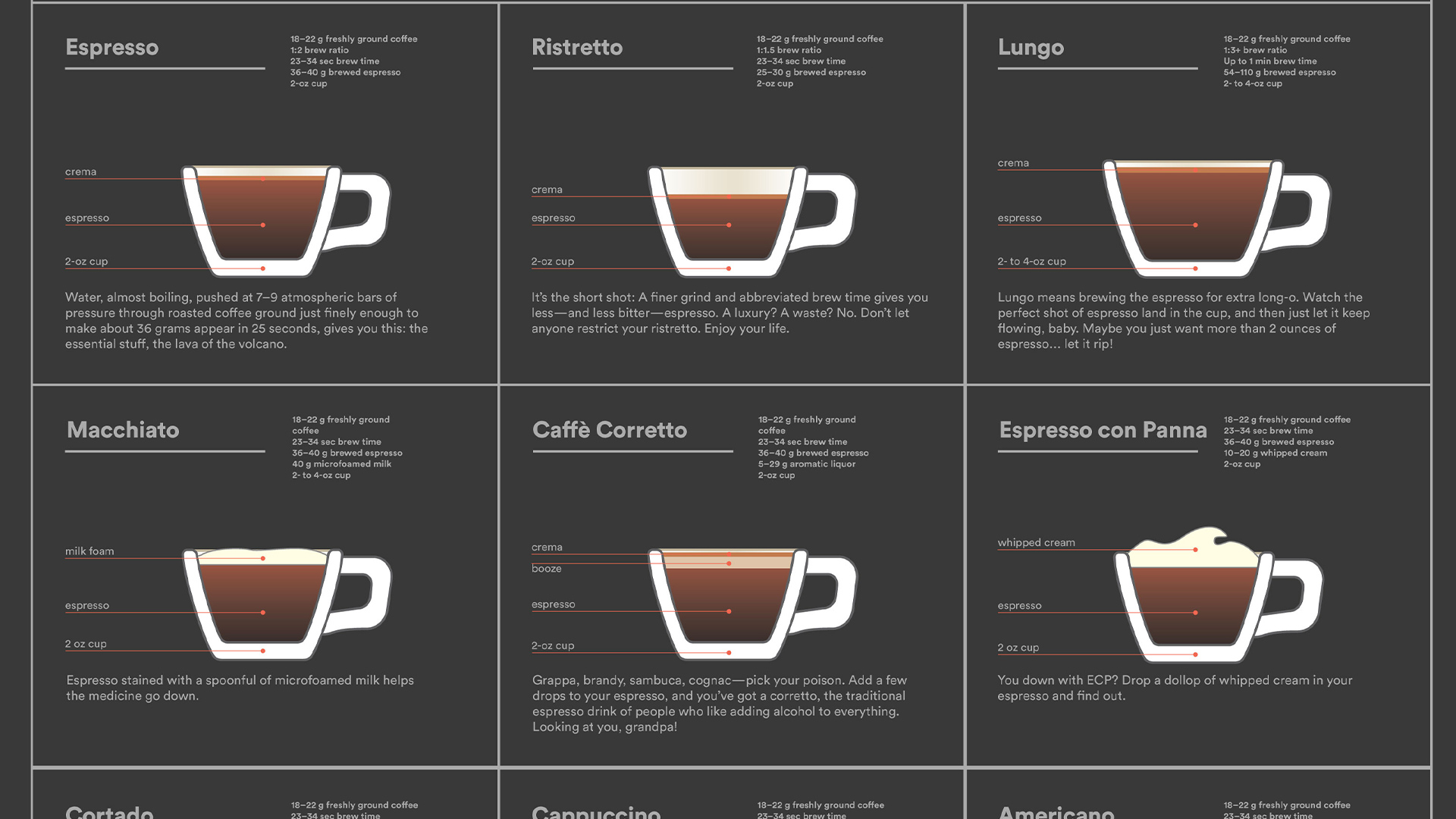 The Ultimate Guide to Espresso Drinks
 Tips & Tricks: Fizzy Fruit!
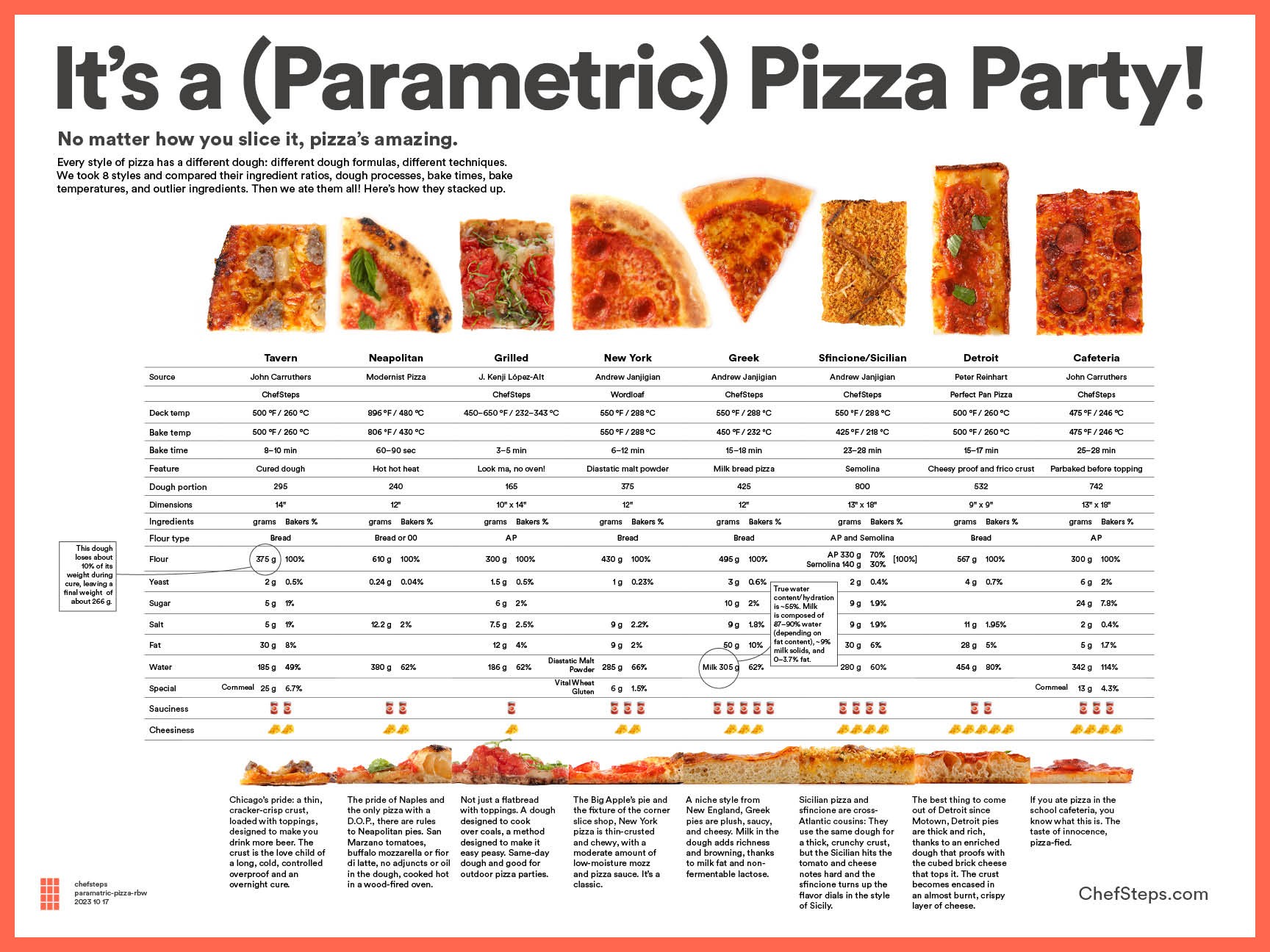 Pizza Doughs: A Parametric Analysis
 the Control Freak™ Home
 the Joule® Turbo Sous Vide
 the Joule® Oven Air Fryer Pro