Go to the Recipe: Salmon Mi-Cuit
Combi of thickness of the salmon and cooking time. I cook mine for 30-45 for me 60 is to long texture wise
I made this recipe over the last two days. I used farmed salmon from Whole Foods. It turned to mush. The flavor was just OK but the texture was disgusting. I followed the cooking instructions carefully and refrigerated overnight. Was it the farmed salmon? Other big fail for me was the watercress purée. Horrible taste. My first big fail with a ChefsSteps recipe. I’ve had other wonderful successes. Suggestions?
Hi Patti, have you noticed any difference when you swap from wet to dry brine?
Made this the other day with the loin from sushi grade farm raised salmon. I did the recipe to the letter. Although it tasted good the texture was not firm. I am guessing it was the fish.
Instead of using a wet brine, I do a Dry Brine with 2:1 kosher salt and sugar. Then, rinse well, pat dry, bag. Delicious.
No problem at all.
Hi, I brined my salmon last night then patted dry and chamber sealed with olive oil. It was getting late so I popped it in the fridge overnight… I am able to cook in the water bath this morning, do you think the break between the brine and cooking will affect anything?
I’ve found that vacuum sealing raw salmon draws out any parasites that may be in the fish, so you can see them on the surface and remove them. I’m in the NW US, and I’ve only seen worms a couple times in fresh salmon here, though.
Hi Lara, Sorry for the late response. You don’t need to reduce the amount of brine, but you can scale it down if you want. If you want to scale it down just calculate the baker percentages (hopefully you know how to do this) and make less brine. This really is a very simple recipe you will do fine.
Hi there! I want to cook a much smaller amount - just enough for 3 people as a starter. Do I just reduce the brine? Not sure what the proportions should be. Any help much appreciated
Because the third time you had guests coming in ten minutes.
I remember back in the day when I didn't have to pay to have my unit scaled for me... now I have to math.
How long will this keep once cooked?
I did this as a deconstructed sushi roll. I served with sushi rice, soy foam and some pickled cucumbers radishes. The soy foam did not turn at as foamy as I w ouldve liked since i dont have a pressurized siphon.
Made this for the first time today. I bought wild King Salmon portions from Lummi Island (one of the places CS shops). The process was simple and the fish had a great texture. It was firm but also melted in your mouth. Served it with the Horseradish Cream, micro greens and some pickled onions and bell peppers I had on hand. We liked it very much but thought the combination of horseradish cream and the salmon was a little too rich. We ate it as a dinner (each person had about a 5 oz. portion) but I think next time will do it as an appetizer and maybe try some sort of lemon drizzle on the fish or simply go with a strong pickle to balance the richness of the fish. Will definitely make this again.
I have made quite a bit of sous vide salmon, but this was certainly my favorite. Brinning really helps the fish with flavor and texture. I guess the shock and 6 hours really helps the texture set in...kind of sashimi like.
.
it is the top half of a king salmon side.
what cut of salmon is this, that has that width and height?
How will I know if the fish is safe to eat? Would this pasturize the salmon? If not, do I need to get one that is properly flash-frozen?
In another note, how does this compare to a dry-brine?
The texture of the salmon was perfect when I followed the directions. I would just add some additional aromatics to your brine to add additional flavor to the end product. A couple bay leaves, some peppercorns, and fresh thyme will make it even more flavorful in the end. I really like the combination of curing and heating the protein as the method.
Would the results be the same if you put the salmon in a bag, add 1% of the salmon's weight in salt and cooking at 40 C for 60 minutes?
It's a common canard. If the container is made of decent stainless steel such as 316 it is impervious to salt and will not impart any flavors even if you leave the fish in it for a month. Most 300 and 400 grades of SS have the same properties but will succumb to highly concentrated salt solutions if subjected to them for long periods. ( that's why you see superficial rust pits on SS appliances. Virtually all non-magnetic types are safe for periods of a few days.
Old Salmon?
you cannot reuse percentage specific brines, once used the salt and sugar content will have been altered, its best to start over.
Hello there! After we submerge the salmon in to chilled brine we have keep it in the fridge or at the room temperature?
Hello everyone !!
Mi-Cuit for 500 pax!
Coconut acid gel + passion fruit and Peruvian yellow pepper gel + fennel and green apple pickle + salmon chicharrón. Spectcular !! Thanks for the inspiration!!!!
First time plating, not the greatest but I think it turned out well.
I thought it's common knowledge to never brine your fish in a metal container. As you will get a metallic taste?
hi guys i just want to ask you if it's possible to use the brine twice? If so, should I bring the brain up to boil and then cool it down for the second time?
Is it possible to roll the two fillets in plastic film very strong to skip the sous vide bag and to get a nice rounded fish? In that case should I rest it in the hot water for a longer time?
Im very thankful for your answers. Thanks in advance and sorry for my bad English
I've made this three times, each time with beautifully fresh high grade salmon. Twice it's turned out perfectly. The other time, inedible mush. Why?
Ariel don't cut and put in the fridge it will get dry salmon not taste at all
Sounds like you did not cool the salmon in an ice bath after cooking it sous vide?
Just finished making my salmon mi cuit with spicy corriander and avacado quenelles, horseradish cream and tomato water spheres. Eaten a load of it now I'm starting to search the safety of it and getting a little worried haha! Any advice on how safe this is? I'm in the UK so it'll be UK regulations and it's Scottish farmed. Thankyou for any feedback
I made everything like in the recipe, but at the end it fell apart. I kept it in brine for 45 minutes, then cooked sous vide in 40 Celsius degrees for 60 minutes and then I put it in the refrigerator in the vacuum bag for 6 hours then when I took it outside the bag salmon started to fall apart, that was so yummy, taste was perfect but the structure wasn't good. What went wrong?
That must be it, the thing is in europe we have to freeze it for risk ofa anisakis worm.
Did the brining with exactly as in the recipe. Must bee the fish quality and freshness
Hi Rodrigo, yes you can! Our one concern with that is the albumin after it's cooked and chilled. It will gel, and when you go to sear it, it may burn. Feel free to give it a try and let us know how it goes.
Hi Tautvydas! There's a good chance that your fish has been frozen and thawed one too many times through the packaging process which can result in a mushier texture. Did you follow the brining step? Usually that helps to tighten up the fish.
i tried it twice and i get pale and mushy salmon.
If I want to reheat it and sear it after refrigeration, could be possible and how?
I tried that but I found that after about 36 hours the texture starts to break down
Is it possible to keep salmon portions in fridge after cutting 24 hours or more ?
Wow!! Just found this site. I will make the salmon for one of my courses for my NYE dinner. I go to Alaska every year and have a lot lot of salmon in my freezer, all caught by my group and cleaned and vacuumed sealed and frozen with 4 hours of catching. Just got into sous vide cooking a few months ago - this looks like a great preparation - will let you know how it turns out. I like the idea of using this as a small course as opposed to an amuse bouche.
https://www.chefsteps.com/activities/salmon-mi-cuit
Salmon mi-cuit with mango salsa. I’ve made the salmon mi-cuit a few times, and just wanted to share the latest result. In my opinion the Asian flavors compliment the salmon like gold chains on Mr. T.
The salmon is an exact copy from chefsteps, the salsa is mango, minced red onion, red chili, fresh coriander and mint, lime juice, olive oil, salt and pepper.
This site is intended for U.S. residents. We do not ship products or provide subscription services outside the United States.

 Sous Vide Holiday Turkey
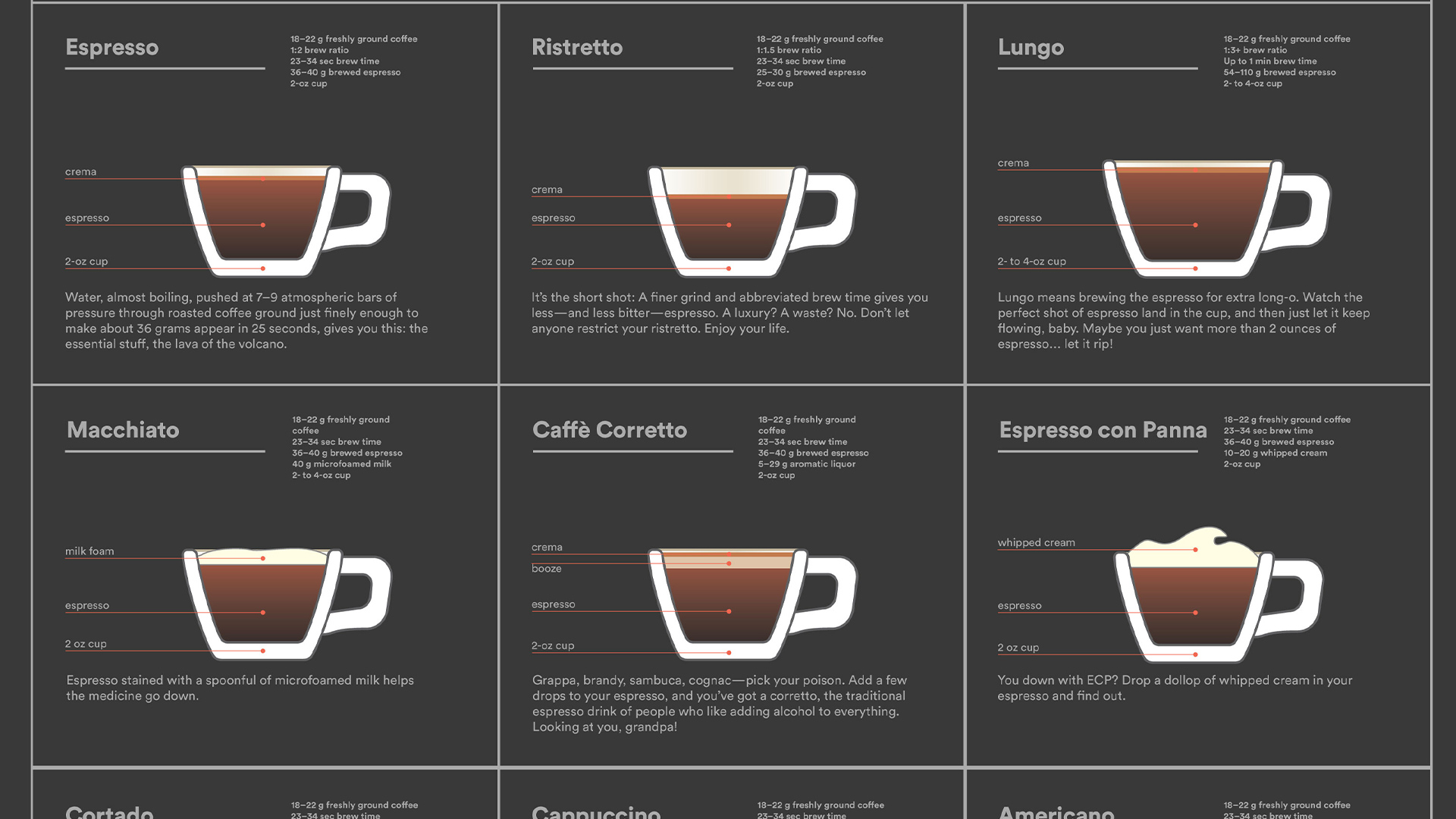 The Ultimate Guide to Espresso Drinks
 Tips & Tricks: Fizzy Fruit!
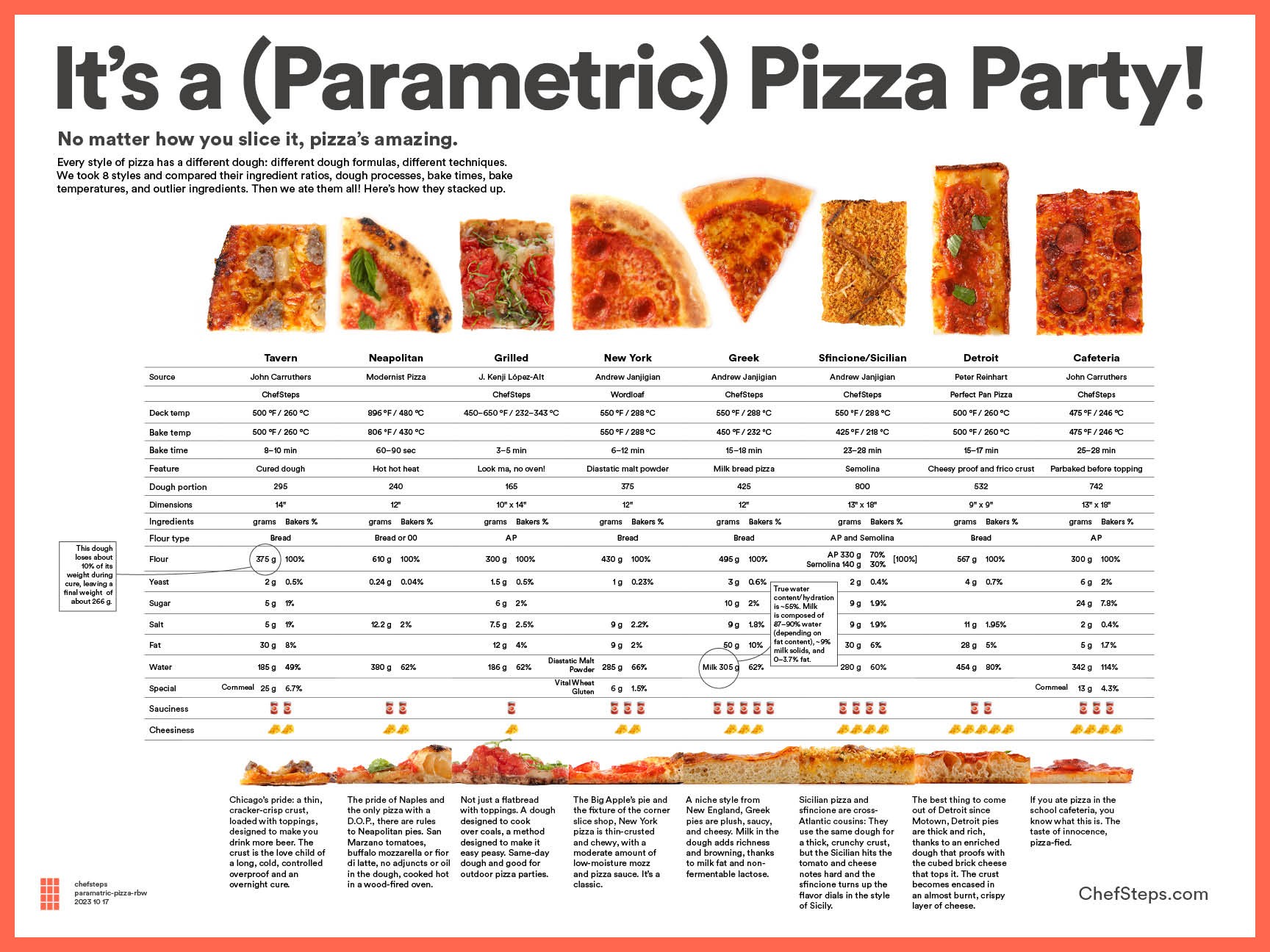 Pizza Doughs: A Parametric Analysis
 the Control Freak™ Home
 the Joule® Turbo Sous Vide
 the Joule® Oven Air Fryer Pro