Go to the Recipe: Perfect Tarte Tatin
This looks great! It looks like the quince kept its shape much more compared to apples, and simultaneously your caramel may have been a bit looser in the end?
If you wanted quince with a more flattened/candied appearance, I would suggest even longer cooking times in the caramel in both steps 6 and 7. It looks like you have room to run on those cooking steps before the quince truly breaks down and starts to absorb more of the caramel. Also, this gives more time to evaporate excess water in step 7. I would also increase the amount of sugar in your caramel to say, 250-300g in step 4 to account for that lack of sweetness.
Extra malic acid (more than written) may work against you, since it provides a pectin-firming effect, so it may take even longer for the quince to soften in the initial poaching/baking phases.
I applaud you for going full send on it! How was the texture on them? Maybe the water in step 2 needs to be a acidified simple syrup.... I'm sure Tim has some thoughts on this.
Made it with quince. Followed the recipe with Tim's tips above for Step 6. Overall turned out quite well but it was not as good as the apple version. It would definitely have benefited from the malic acid, and also it lacked a bit of sweetness.
So the center was 2 apple halves standing vertically?
Hi Tim, thank you so much for the response (and the compliments!).
The one you like was the last one I made, not sure why it uploaded in the middle, also my favourite! I used halves for the outer ring too, but I recall it needed more cooking time because of how packed everything was inside the dish.
Looking forward to trying your other recipes!
Beautiful work! I really like that middle arrangement with a full half in the center. Looks better than mine, super clean.
The 1.3 kg apple spec is unpeeled, uncut. Your prepped weight will be something in the range of 900g, based on my testing notes.
Hi Tim, thanks a lot for the recipe which is amazing. I’ve made it 3 times and it’s getting better every time! (Though I’m iterating a bit too much and I’m not sure how to get my last results again 🥴)
Stupid question, but is the 1.3kg apples whole or after peeling and cutting? Thank you!
Quince would be an awesome variation on this. Given the specific methods outlined in this recipe, the main idea you need to carry forward is this: Quince takes a bit longer than apple to cook to a knife-tender texture. That means your cooking time in Step 6 might increase from say, 10 minutes, to 20 or 30 minutes before you reach a similar texture cue. Other than that, I wouldn't change much about the recipe steps for now. I would opt for a firmer variety of quince like Pineapple or Champion, to hedge against mushing out.
Side note: The malic acid in this recipe will enhance/stabilize the iconic red/pink color of quince, since the anthocyanins that leech out are sensitive to changes in pH (this is known as halochromism).
Good luck!
Gorgeous!
Made this recently it was excellent! Any tips if someone wanted to try with quince?
Thanks Tim. I'm pretty happy with the result! I didn't get as much browning on the base as I think you were getting, but the texture and flavour was still great. It's amazing how much difference a little malic acid makes to the caramel when you first make it.
It went down a treat with my vegan friends, though I de-veganized my own with a scoop of sour cream ice cream on top....
I can't speak to this specific recipe, but you should be good to make the caramel using a vegan butter. For other vegan caramel sauces, I've had some success using stick butters such as Earth Balance or Violife (I actually prefer Earth Balance; I find the Violife has a very subtle bean/vegetal flavor that's not ideal for this application). On the plus side, you'd be adding some soy lecithin in either case, which would help to keep the caramel emulsified (though this not integral for the recipe).
The butter is there for flavor more than anything. At the end of the day, you could either omit the butter entirely, use vegan butter, or if you were feeling particularly intrepid, add something complementary, like coconut cream instead of butter, which would give you a nuttier/different flavor vibe.
Hope this helps!
I'm looking forward to making this, but wondering if I could adapt it to be vegan - it's close, just the butter in the caramel and the pie dough to sub out. I'm thinking just to go 1:1 for vegan butter; does that sound reasonable, or are there other tweaks you think I should make?
You seem to have inspired Jake Leach at Michelin-mentioned La Palombe in London to make a very similar dish (he's the ex-head chef at 3-star The Ledbury)! Or maybe they inspired you. There are some significant differences (no overnight step). I do like the idea of a shiny glaze.
I think this should work reasonably well. I haven't tried this recipe specifically with pears, but I'd consider a few things:
1. Pears do have pectin methylesterase, so the low-temp poach should give a similar firming effect
2. I would opt for something like a Comice pear, which is less gritty. I would also choose pears that aren't overly ripe (these tend to break down quicker)
3. The tapered shape of a pear lends itself to filling the shape of a circle, but you may have to play around with the cut shape to get the proper arrangement
4. Pears tend to release more water than apples, all else equal. The primary baking phase might take a bit longer to get to 220F because of that extra water.
CS, would this work as is for pears?
Le Creuset actually makes a Tarte Tatine pan which is enameled cast iron, so no issues with seasoning being stripped off and it's just the right size.. If you like cooking Tarte Tatine, it's worth it.:)
If it's a bit dark for your liking, I have two potential solves: Go by color on the first stage of cook, then by temperature on the second stage (in the oven)
1. Cook the initial caramel to a pale blonde/blonde caramel. This shouldn't affect the finished texture at all. In development, 365F was a reliable indicator based on my induction setup, but the truth is: As long as the sugar gets past hard crack (~310F), you should be good to go from a texture perspective. That means you have lots of wiggle room for color at this point, and you should feel free to go by color/visual, not temperature.
2. The caramel will continue to darken in the subsequent cooking stages, but at this point, you can't really gauge the color visually. I would pull the apples around 220F, or as low as 215F. Keep in mind that yes, the caramel is darkening, but you're also trying to evaporate water (which happens at 212F) and concentrate flavor.
By far the best tarte tatin I’ve ever had, thanks for the great recipe
I agree about the pastry. I have been using the pie crust pastry as my goto pastry for both sweet and savoury dishes for a while now. Once everything is chilled it takes seconds to put together and to avoid having to wait for the resting time before it can be used I now keep a couple of rested batches in the freezer to take out as required.
Just made this for the first time, and it turned out beautifully. This recipe is a keeper for sure!
I was pretty fastidious about temperature and used a candy thermometer throughout the caramel phase, and (like Wade) I also ended up with a darker caramel than I was aiming for. I definitely tasted some bitterness after the caramel step (pre-baking)—maybe some carryover heating from the stored energy in the pan caused me to overshoot the caramel temperature after I took it off heat?
One other note, the recipe suggests moving the apples toward the interior and away from the edge after baking, but I found this led to a ring of pretty dark caramel around the edge. I think it makes a more attractive presentation if the apples go to the edge (without crowding), so I’m going to approach that differently next time.
This was also my first time trying your pie crust recipe, and it turned out perfectly. Delicious, easy to work, and super-flaky.
I have now made this several times and it really is a show stopper. I use Pink Lady apples and have tried it with and without the malic acid. Using the malic acid really adds that subtle level of sharpness that nicely balances the sweet caramel. I do find that the caramel is ending up quite dark and I am looking to try to produce the next one with slightly paler caramel. What would be the best way to achieve this? I am guessing that I need to reduce one of the caramel cooking temperatures slightly. Which one would i need to adjust give me the colour I am looking for but without detracting from the caramel texture and flavour?
This is insanely delicious!
Kid and I needed a baking project. Came out pretty darn good for a first try! We aren’t at home and all I had was a decorative 10” paella pan with handles that stand proud so the unmolding was a little stressful. Can’t wait to cut into it!
All pies show this. It is impossible to prevent that since you are cooking over something wet which produces steam. You could cook the crust by itself, and then place it over the apples.
How is the texture on the finished crust? I'm looking at 0:25 in the "serve and enjoy" video https://youtu.be/KbCZLzCoCJU?si=XIgOTiwa4dSX20sX&t=25 and it looks like there's a really thick gummy crust layer?
But usually ChefSteps recipes are super optimized, and this one certainly looks like a careful recipe...maybe some people like that soft gummy crust texture, so it's intentional?
Thanks for your help in this!
I had clean equipment but I can imagine there'd still have been a couple sugar crystals on the walls from my earlier stirring, however in hindsight I realized that I had used a literal mini-dutch oven (with enameled insides) to make the caramel and only then did it occur to me that would hold the temp far too long. Also since I live in Germany I have only an electric glass stove top that pulses in and out unless I set it to the max. And me being my impatient self did not want to wait for the caramel that long, meant that I did exactly that and only turning it down when it had all "gained too much traction" so to say.
I just made this for the second time yesterday in preparation for Christmas Eve tomorrow, and I opted for a stainless steel saucepan with a tri-ply bottom plate and "limiting" my stove to actual medium heat (4-5/9) which did end up taking much longer than stated in the recipe but that was to be expected given the pulsing heat-cycle of my stove.
It turned out exactly as described in the recipe and so far seems like significantly better attempt (barring any mishaps during unmolding).
Only caveat that I don't see any solution to is the choice of apple varieties available in Germany (Bavaria), I have scoured gourmet delis, farmers markets and high-end supermarkets for anything that was listed in the apple section and come up only with Granny Smith (opted out due to lacking flavor) and Golden Delicious apples that are all somehow more yellow than green and crucially, much much smaller. I ended up using around eight golden delicious apples both times to reach the needed weight.
This is my recipe. No link. Take it or leave it.
SeriousEats has jumped the shark and a lot of their content no longer exists.
Wow, you really squeezed a lot of apples in!
Oh man, I'm sorry that happened! I never experienced seizing/re-crystallization during my testing, so let me try to troubleshoot.
Some questions:
1. What kind of pan were you using? Did it have any kind of imperfections, or was it dirty/anything burned onto the surface at all?
2. Were your tools clean? Any grains of sugar or strange debris on them?
3. Was there any sugar splashed up onto the sides of the pot? Could you see any grains sticking to the sides as it was cooking?
Some potential solves:
1. Use a wet pastry brush to brush the sides of the pot during cooking, dissolving any stray granules of sugar. This should go a long way to prevent re-crystallization
2. Corn syrup inhibits sugar re-crystallization, but it doesn't prevent it entirely. If it's becoming a chronic issue, then I would double the amount of corn syrup
3. Use warmer butter, cut it into smaller chunks, and incorporate it more gradually. Temperature shock can result in seizing. Based on what you've told me, this could have been an issue
currently waiting for the first baking phase of the apples. I made the caramel sticking to temps as best as possible using my electric glass top stove, but when I went to add the butter, the entire sauce immediately seized on me HARD and I had to stir it on medium high heat for a good 6-9 minuets before it started to lose its "sandy" appearance and began melting the crystalized clumps, but at the same time it continued to brown, causing the final sauce that I poured over my poached apples to be almost a hazelnut color. I wonder why my caramel seized when I stuck to all temps almost down to the degree (Celsius). Any ideas what I did wrong and how I could avoid this in the future?
This is my tarte Tatin
Nice work!
Miso here is a tricky one. It adds a significant amount of salt, which raises osmotic pressure of the system, meaning it will tend to draw more moisture out of the apples into the caramel solution. This would lead to a "wetter" tart, and apples that have a more shriveled appearance (which I think is what I'm observing in your photo).
Unfortunately, you'll likely be fighting that ++salt effect the entire way if you intend on using miso in the caramel. As a workaround, I would make a miso caramel sauce on the side to serve with the tart. That way, you can supply some miso flavor without sacrificing the look and texture of the tart.
Still working out how to photograph food well but a great success with the tarte!
Honestly one of the better desserts I’ve ever made. Really fantastic and with a wonderfully complex flavor. Will absolutely make this again to impress someone.
Are we unmolding onto a cooling rack to let excess butter/caramel drip off so a serving plate is cleaner? or some other reason?
I attempted this with a couple tweaks, and I think it came out pretty well (certainly the best tarte tatin I've ever made)! I cooked the apples sous vide instead of poaching on the stove (that's my best way of being able to keep a consistent temp in the water). I also used 40g of white miso in place of the bourbon (I liked the flavor but my friends thought it was too strong, I might dial back to 20g next time). I did end up with a lot of liquid still after the roasting and chilling - I drained a lot off but the final tart was a bit wet. Any tips for course correcting earlier in the process if that happens again (because I will definitely be making this again)?
Hi Tim, I just made this recipe and it is without any doubt the most delicious apple tarte that I ever had! I didn’t manage to make it picture-perfect but it was sooo yummy :-) Will definitely make this again. Many greetings from Germany!
P.S. My apples (Topaz) were a lot smaller than yours, so I had to use 13, haha.
I did experience a slight iron-y taste with brand new, factory-seasoned cast iron pans. So yes, the seasoning did strip off slightly in those cases. But with well seasoned pans, I didn't find this to be an issue. I suspect the built up layers of polymerized oil + the small film of oil on a well seasoned pan was enough to mitigate stripping and off flavors.
If you're at all unsure, this recipe also works well in a stainless steel pan.
Short answer: Poaching is more user-friendly in this instance, and the setup/breakdown is faster. And in a dish where the caramel dominates the flavor, I think the perceptible flavor difference between water poaching and sous vide would be marginal.
Long answer: If we were talking a long duration poach, then I'd absolutely agree with you. Flavor loss would be significant in water compared to cooking sous vide. But I think the notion that there's "a lot" of flavor loss during a 10-minute poach at ~160F deserves some unpacking:
1. At this time and temperature, the cell membrane is just beginning to lose integrity, but not enough to significantly release sugars (but since we're adding a ton of sugar in the form of caramel, I'm not too worried about it)
2. If anything, there is some slow, passive diffusion of aromatic compounds. But 10 minutes is pretty short
3. The internal flesh still packs plenty of flavor. A trimmed cross section would confirm this
At the end of the day, yes, poaching sous vide would be the way to go to maximize flavor (or minimize flavor loss). But it comes at the cost of convenience and time. The cost/benefit here wasn't worth it to me during development. If you feel strongly about it, you should definitely cook the apples sous vide, and I bet you would get a great result!
Hope this clears it up!
The link to Serious Eats is broken. Honestly, if you have a full recipe, maybe better to post a link to it rather than the entire thing as a comment.
Why poach the apples rather than sous vide? Doesn’t that leach a lot of flavor from them into the water, which will be discarded?
Does having apples sit overnight in the cast iron not cause the seasoning to strip off? Would putting parchment in the bottom help (or is this not an issue)? Making tomorrow!
I just read that post and screen shot it for my next apple pie. Sounds amazing.
Kenji favors Golden Delicious too (see my link above).
Similar principle behind my "sous vide apple pie", using Golden Delicious (write-up from elsewhere):
What? Why sous vide cook apples before baking them into an apple pie??? Three reasons:
Pectin begins to break down at 183°F, whereupon apples slices will start to turn into apple sauce. And no one wants an apple sauce pie! In contrast, pectin converts to a more thermostable form if held at 140-160°F for a period of time. This will prevent the apple slices from becoming too soft when subsequently baked to a higher temperature. Yes, you could also do this by cooking on the stove, but obviously sous vide is more controlled.
Different apples varieties, even the same variety at different times of the year, will release different amounts of juice when cooked. I’ve measured greater than a 2-fold difference in the volume of juice released by freshly picked apples versus the same variety of out of season grocery store apples (the latter released more juices). By sous vide cooking the apples first, the juices can be collected and exactly the right amount of juice can be combined with exactly the right amount of starches to create the perfect pie filling. This will also prevent excess juices from bubbling out of the crust and creating an ugly mess during baking.
Raw apple slices shrink during baking. Pre-cooking minimizes shrinkage and avoids an unsightly gap appearing between the top crust and pie filling.
Recipe:
Core, peel and slice (7 mm) approximately 10 Golden Delicious apples on mandolin
Core and coarsely grate 1 medium Golden Delicious apple
Retain cores and peels
Toss slices and grated apple with sugar and other filling ingredients
Separately vacuum pack apple slices and cores + peels
Cook in a sous vide water bath at 160°F x 1 hour, then increase to 184°F x 1 hour (times/temperatures based on empirical testing and the optimum may be different for a different apple variety or personal preference)
Remove bags and let cool slightly, then cut corners of bags and drain juice
If needed, add apple cider to bring juice to 2 cups total
Let cooked apple slices chill at least 2 hours in refrigerator
Dissolve 17 g corn starch and 17 g tapioca starch in juice, add to 28 g melted butter and bring to boil in saucepan over medium high heat, stirring constantly until thickening into clear, dark gel
Let cool slightly, fold into cold apple slices, then pour on top of bottom crust and continue assembling and baking pie as usual
Further information:
The Food Lab's Apple Pie, Part 2: Perfect Apple Pie Filling, by J. Kenji Lopez-Alt
https://sweets.seriouseats.com/2011/10/the-food-labs-apple-pie-part-2-how-to-make-perfect-apple-pie-filling.html
The New Pie: Modern Techniques for the Classic American Dessert (2019), by Chris Taylor and Paul Arguin
https://www.amazon.com/gp/product/0525576444
RSP, those caramelized apples are anything but ‘cooked fruit’. You’ll love this.
Looks like another winner by Tim. Can't wait to try it!
I have my own hard cider orchard and have some golden russet apples. They are quite firm and dense (and delicious). I assume you haven’t had any chance to work with those?
I’ve been making Tarte Tatin for about 30 years ever since purchasing Mary Berry’s dessert book while living in England in the early 90’s. It’s always a showstopper and a much loved recipe. My apple of choice is the Golden Delicious. I pick ones that are on the greenish side rather than the yellowish ones. They retain their shape beautifully. The recipe also uses puff pastry. I’ve never had one fail. Your chilling of the cooked apples before putting the pastry on, and chilling while preheating the oven was something I did instinctively, as putting the dough onto warm fruit starts the butter in the puff pastry softening, which is not something you want. Great to see this recipe.
I'm also not a big fan of cooked fruit. Nor do I get inspired to make pastry dough very often.
But dang it Tim... you have convinced me to try this!!
This site is intended for U.S. residents. We do not ship products or provide subscription services outside the United States.

 Sous Vide Holiday Turkey
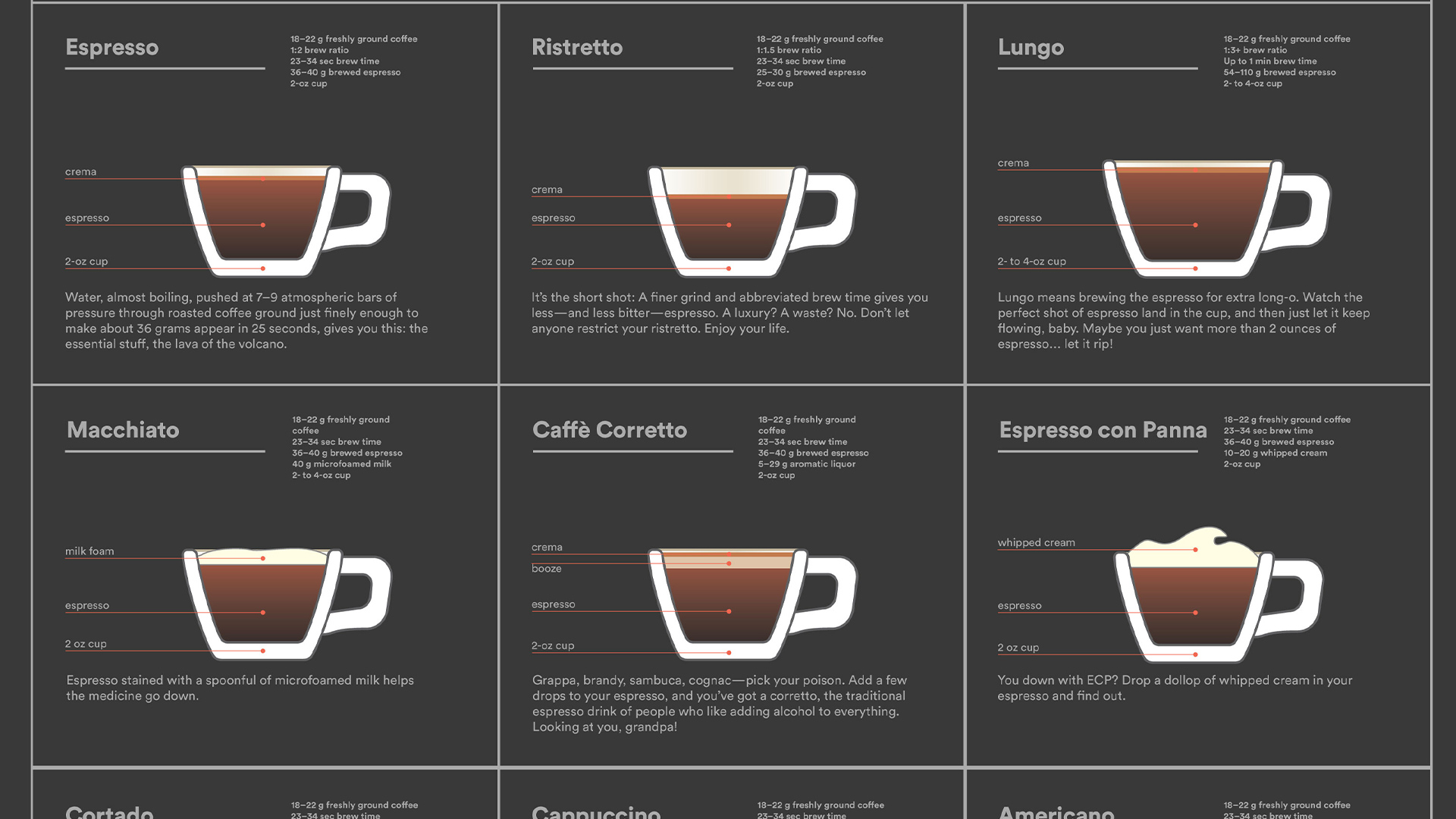 The Ultimate Guide to Espresso Drinks
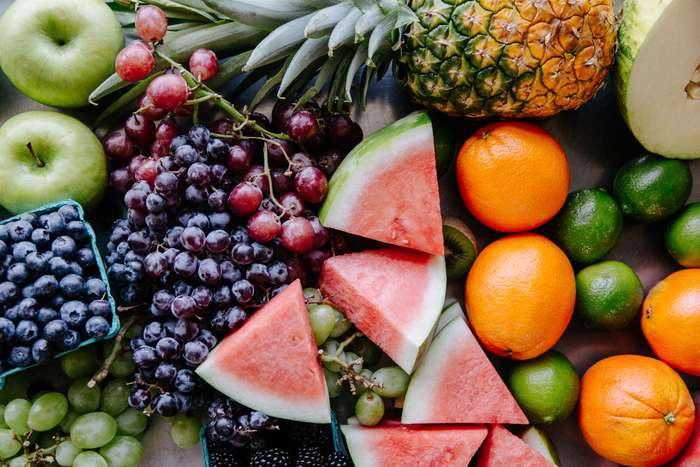 Tips & Tricks: Fizzy Fruit!
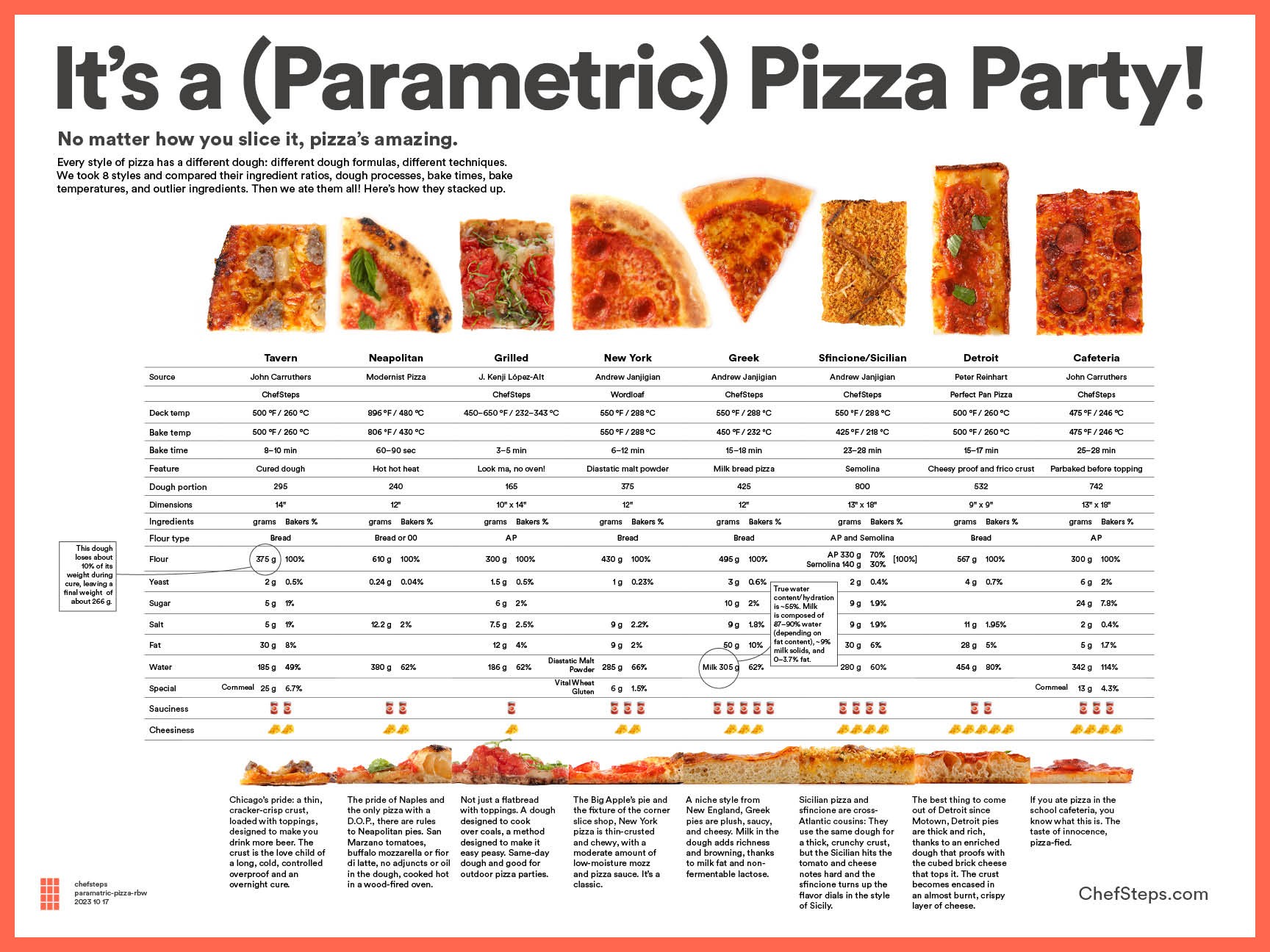 Pizza Doughs: A Parametric Analysis
 the Control Freak™ Home
 the Joule® Turbo Sous Vide
 the Joule® Oven Air Fryer Pro