Go to the Article: Level Up: Sous Vide Presentation
Great presentation. I like what you are doing. It has a sense of taste and creativity. The presentation itself also needs personality. I'm very familiar with that as a designer. I use https://masterbundles.com/stock-content/vector/military/ in my work where I always find creative ideas for my logos. You can also use this in your work.
Please, do you chill only when you don't want to serve immediately?
WOW!
awesome !!
I make my own stocks and freeze them in ice cube trays for future use. Found 4 cubes equal 1/4 cup so its easy to use in a recipe. After reading about liquid/oil to bag I was wondering a couple of things. I could add a cube of stock (beef, fish or chicken) to bag and not worry about liquid coming out during vac sealing (food saver) and would that be the kind of liquid to do what is needed. Or do you need oil only or in addition? Can you freeze oil?
I've read elsewhere that adding oil to the bag with aromatics results in the oil absorbing the lions share of the flavor/aroma. Any thoughts on this? Adding oil certainly seems to have other benefits to consider.
The easiest way is to gently crack the egg into a small bowl, then scoop it out with your slotted spoon.
From class:
"How much is ample? Think of it this way: You can get into all sorts of trouble from a lack of liquid in the bag whereas adding more than you might need has few downsides—other than waste, of course. But much better to use a little too much oil as you learn than damage lovely fresh vegetables and proteins, right? After a few trials you'll figure out exactly how much you need."
Try resting the slotted spoon (I use a skimmer) over your sink drain, and after agitating the egg a bit, slide the egg into a small bowl.
Now I'm confused. I thought that green vegetables tend to keep their vibrant color when cooked at a higher temperature for less time. As far as I understood Thomas Keller's 'big pot blanching', the idea is that having such a large quantity of water keeps the temperature from dropping drastically when veggies go in, helping them stay bright green. (?) I appreciate the explanation given but it looks like I'm missing something. Please explain!
p.s. I love the site and I love this class!
To answer your psst..... What I would really like you guys to tackle is a sous vide "top round steak" or as our local butcher calls it "london broil"; We have tried it several times without the success we expected. Our online research says cook many hours, but that only produced a tender, yet dry piece of meat; Thanks for all you have done.... I'm a fan and because of that my wife is experimenting with the sous vide method of food preparation.
When you are cleaning up your eggs with a slotted spoon, I feel that I need 3 hands, two to crack an egg and one to hold the slotted spoon. Sadly I only have two hands so my technique sucks. Does anybody have a better way to do this?
Hi Elie, Check out this thread in the forum: http://forum.chefsteps.com/discussion/comment/12370/#Comment_12370
Thanks for this. There are a lot of things that make complete sense but that I haven't necessarily thought about before.
Great article,
I have a question about this sentence " Adding oil to fish before you cook it sous vide will allow the albumin to run off your food and sink to the bottom of the bag, keeping those nice edges intact. "
How much oil should I use ? Is there any formula to do this ?
I would be VERY curious (and thankful) to learn about all the safety facts of "cooking in plastic".
What grades of plastic are safe ? Do BPA, and phthalates become a real concern after a specific time/temp combination ? How can we determine if the bags are sous-vide safe from reading their label ? (or asking the relevant questions, since not a whole lot of bags come marketed as "sous-vide" safe).
This would be a very helpful conversation, especially that people seem to be rattled by the idea that I'm practically dunking their food in a plastic bag and a hot bath !
There also seems to be quite the confusion on the forums and a whole lot of pseudo-science involved, especially that there's very little reliable scientific information to rely on.
So any help is appreciated !!
Hi! I know that this is not going to help but i would like to know everything there is to know about sous vide. I really liked the first sous vide course so im thinking something along the lines with that, but cant think anything specific, i just want to know everything.im sure people wouldnt mind paying more for a very detailed course. Keep up the good work guys
Try both pre and post sear. The first sear on cold meat won't overcook it and may put some flavor for the sous vide cooking. he second sear will be much faster on some already seared meat and you'll have a better crust faster.
My question pertains to reheating. You talked about it when reheating sauces, but can you cook your proteins and vegetables then store them in the fridge and when ready to eat just reheat? is that how restaurants do it?
I tried different cuts, cheap and expensive ones. But the pre-searing might work, I'll sure give that a try. Just curious: why could that make a difference? Thanks a lot so far for your advice!
Hi Ben, I have tried pre-searing and post-searing and it seems to me that pre-searing will leave the beef a bit less "shiny". What I mean is its kind of a dull sear rather than that fresh crust sear that you get with a post-sear. Is there a reason you prefer a pre-sear? Thanks. BTW I love all the stuff you do on the site. I want to try it all.
A good way to vac pack food with liquid with using an edge sealer is to put a rooled up paper towel just below the seal. It will catch the liquid before it gets sucked into the machine. Just make sure the paper towel fits snugly on both sides. I've been using this technique for 25 years with no failures.
Ha! Love it. If you try the recipes let us know how they turn out, Keith.
Great feedback Matthew, and all great points for future content.
Thanks Patrik. Let us know if there are specific things you'd like to see in the full class.
I would suggest doing a pre-sear rather than sear after. Also 4 hours is on the long side for steak. What cut are you using?
So much good information.
Partially freezing the liquid makes it easier to work with an edge sealer
Fantastic. Yes, yes, yes.
Well, just want to say that I have lots of work I should be doing this morning, yet I'm totally engrossed in this series now, already have four other tabs open to look at respective recipes, etc. Thank goodness it's technically my "day off," so I have some discretion to do this... but how's a guy supposed to get anything done when something like this hits his email? Seriously! I can't wait to hear more about the sous vide class...
This was very good information. And provides a very good explanation to some of the results I have achieved from time to time. Thanks!
Great advice, thanks! Hope you also have some tips for a weird 'problem' I'm sometimes having while cooking steak sous vide. After heating my steak for 2 - 4 hours at 57 degrees celcius and than searing them, they quickly turn grey after slicing them. They have the nice pink color you expect at 57 degrees for a minute or so, and after that they turn grey. Any thoughts what I'm doing wrong here...?
When I first got equipment for cooking sous vide, it was with the naiive idea that everything is better with sous vide (in fact that is a view voiced by many of its advocates). Building confidence and consistently-satisfying results with sous vide has taken a lot more trial-and-error than I expected. This guide is brilliant, and contains information I have not seen anywhere else. I would be keen to learn more about when to use sous vide and when to use other methods (e.g., you slow roasting method), more information on pretreatments (specifics about brining is it okay to spice rub meat before cooking sous vide if the rub has salt in it), and more ideas for avoiding overcooking meat when searing at the end (your pre-searing idea has been really helpful with this).
Water displacement method. Or gravity.
How about some tips on how to use liquids when you have a ~$150 edge sealer instead of an ~$800+ chamber vacuum?
Love this help. Discovered a mistake I've been making when sous vide eggs. Plus, all the new tips that nimprove the look of the food.
Thanks
Good looking work, team. Two questions about the oil advice:
- I notice the sous vide steak recipe does not include packaging the steak with oil. Does the package with oil recommendation also apply to firm foods like steak?
- Any thoughts on Kenji's experiments which seem to show that oil in the bag lessens the effect of aromatics: you get nice aromatic infused oil, but not so much aromatic flavor in the food?
awesome tips, cant wait for the full course
This site is intended for U.S. residents. We do not ship products or provide subscription services outside the United States.

 Sous Vide Holiday Turkey
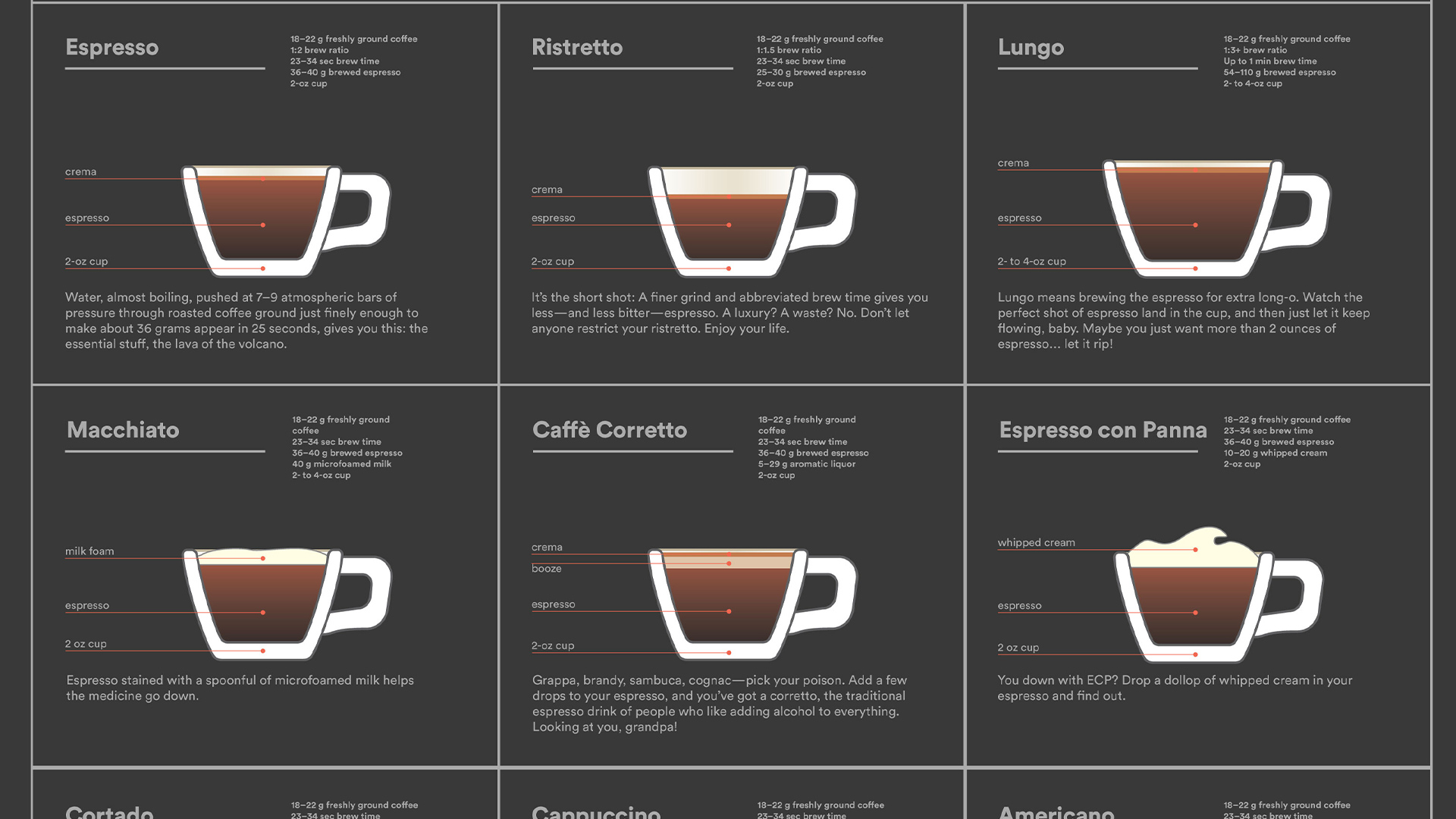 The Ultimate Guide to Espresso Drinks
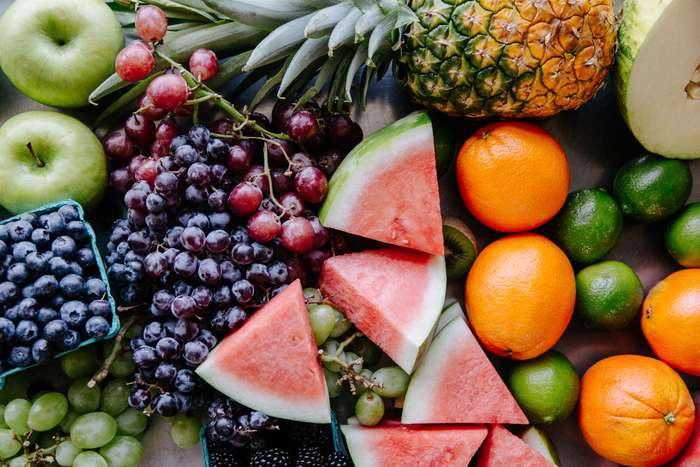 Tips & Tricks: Fizzy Fruit!
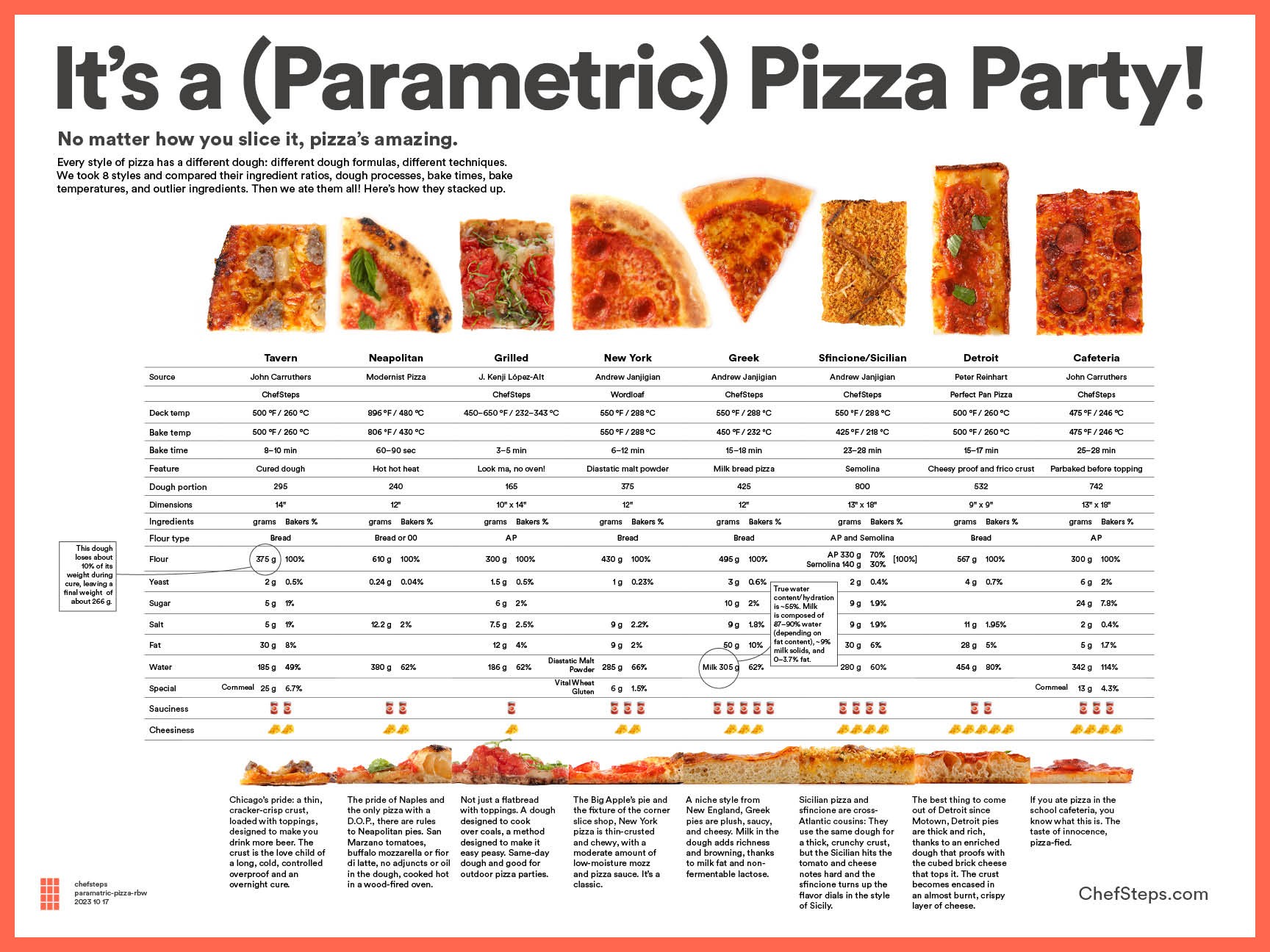 Pizza Doughs: A Parametric Analysis
 the Control Freak™ Home
 the Joule® Turbo Sous Vide
 the Joule® Oven Air Fryer Pro