Go to the Recipe: Vanilla Bean Ice Cream
That's two things to try! I'll report back when I do!
I tried 1g vanilla extract + 6g (mccormick) peppermint extract and got a pretty great result. Personally I prefer peppermint extract over mint for ice cream. Then I melted very dark chocolate with neutral coconut oil, froze in a sheet, broke it up, and mixed it in by hand right after one spin in the creami. I don't trust the mix-in setting not to absolutely pulverize the chocolate to bits.
Let me know how it goes!
FYI, for creami users, I found that scaling the ingredients by 0.8 (and using 4 egg yolks—just rounded up a bit) gives you exactly enough ice cream base for a single XL 24 ounce creami container.
Also, whoever reads this, if you decide to use this base for a mint ice cream using mint extract, 12 g is far too much mint extract. If I ever get the taste of mint out of my mouth, I might try to find an appropriate amount of extract for this recipe.
I am going to try this!
I skipped the bean and used a creami (for the first time!). Words fail me, it's fantastic and surprisingly easy. A miracle! I'll spring for the bean next time.
With the following additional steps and 150g unsweetened shredded coconut, you can make the best toasted coconut ice cream I've ever had by far:
1. Toast half (75g) coconut in oven (300ºF, 8-15 min, stirring every few minutes until lightly golden)
2. Combine milk, cream, toasted and untoasted coconut in a pot. Coconut contains fat and water-soluable flavor compounds, steeping in a mix of cream and milk results in the best extraction.
3. Optional: Using a stick blender, blitz the mixture a few times to break up the coconut to increase surface area (do not fully blend or it’ll be hard to strain)
4. Cover, heat to 150ºf, and hold around that temperature for 30 minutes, stirring occasionally.
5. Pass through cheesecloth set in a strainer. Squeeze the cheesecloth very thoroughly, getting good extraction is important to maintain the ratio of milk to cream. Do this while the mixture is still somewhat warm; I've tried doing this after chilling and the fat sticks to the coconut shreds, resulting in very low yield.
6. Weigh the strained liquid and add milk to bring it back to the original recipe weight (to account for evaporation and loss during straining).
7. Follow the remaining recipe, omitting the vanilla bean and reducing the vanilla extract to 2g.
BTW, if anyone's CREAMi blade is falling off, it is because the magnet that holds it on has become demagnetized due to heat from running. Here's how to fix it:
https://www.youtube.com/watch?v=Y-P0pUoVhUw
One detial I forgot to add was that after 2 spins (at which point it was very soft), I put it the freezer for a 2-3 hours before serving, so it was somewhat firm when scooping. Even so, definitely melted fairly fast.
Nice tip about spinning a container of water! Just as a data point: Without having tried the original, I tried a batch where I increased skim milk powder by 20g and decreased whole milk by 20g to bring MSNF to 8.9% (from 7.2%, which is a bit low) and serving temp down to 5ºF from 7.3ºF. I also added 0.1% stabilizer (guar, LBG, kappa), probably could do 0.2% next time. After one spin in the Ninja Creami Deluxe it was pretty much flawless. Very smooth, a few perceptible ice crystals, definitely couldn't be spun again without melting too much.
8g + a bit more. I think I could have upped it, flavor-wise. Probably not as good as an actual pod.
How many grams of paste did you use? 8+?
There's lots of protein powder recipes in the Reddit CREAMi subgroup. Personally, I don't make ice cream often, so if I do I want it to be really bad for me lol.
I did mine on 5-6 in a Vitamix and was wondering if I went too hard. A bit frothy, even after sitting over night, but the end result was fine as far as I can tell.
Not even the slightest egg smell/taste in the current version of the recipe.
I respun using the regular spin button (standard not deluxe CREAMi) after scraping and packing down with a spoon after the first spin. No idea if the quality is much better, seemed similar after a quick taste before and after, but looks nicer in the container, gives a nice flat top.
The 1X recipe gives enough for 2 small CREAMi containers. I left the second one in the freezer for 7 days before spinning, and although the result was creamy and delicious, there were fine grain ice crystals on the finish. I'm didn't notice this when spinning the first container the first day, but I'm not 100% sure about the difference. I was a little surprised to see no stabilizers in this recipe. I think the powdery effect (which I didn't see) is mostly dependent on the freezer temp, although I could be wrong.
I cut the salt in half, since I always do that with CS recipes.
I subbed Neilson-Massey vanilla bean paste for the vanilla bean since that was what I had.
Although Ninja doesn't say anything about it, I always spin a container of liquid water to clean the machine at the end. There are reports of things growing in it lol.
I plugged the numbers into Ice Cream Calculator and they all appear to be in range, I'm surprised y'all suggest a re-spin when using the Ninja Creami. Does it turn out powdery after the first spin? What would you adjust so that you don't need a re-spin? I try to avoid re-spins when possible to reduce partial coalescence.
Why do you suggest homogenizing on medium speed? Real homogenizers have much higher shear than blenders; to come as close as possible to what a homogenizer does, you'd want the strongest blender you can get on the highest speed. Do your tests suggest something different?
I wanna make a protein vanilla ice cream and it should be healthy , in this recipe replacing the milk powder into protein powder and sugar into honey or maple syrup , does it work
I was about to embark on this until I read the comments which overwhelmingly complain that the recipe as is is not ideal - particularly the prevalence of the smell and taste of scrambled eggs. Chefsteps we deserve better - time to update / redo?
one of the best plates i have ever seen, love the plating guys - any inspo on similar modernist/avant garde plating styles? besides the cookbooks you have listed that inspire plating
The multitude of mobile device OS's aside, can the "print recipe" be format to fit on 1 A4 page? Perhaps same outlook on condensing all "print" options.
You heat it to cook it, or you’d just have a bucket of milk and cream
Assuming the milk is pasteurised is the heating part only for infusing flavour? If I were to make a fior di latte gelato/ice cream would the heating still serve a purpose?
It works great.
Is this base okay to run in the pacojet or does it have too much fat for it? I'm worried that it may jam my old paco, it's happened before
If I want to add Xanthan gum, a what point would I do it if SVing my base?
Hello Chad, Simply adding chocolate will work great. Add enough of the chocolate to flavor as you wish. Any chocolate under 80% should be great without any adjustments, any more than that I would add a touch of sugar. Try 277 grams of chocolate to start. Adding an egg yolk or two wouldn't hurt.
Add the chocolate to the bag after you blend the base.
Would love to make a chocolate version. We just got the Ninja Creami & making ice cream daily. Any suggestions? Thank you 🙏🏻
Zach, try turning it down to 175 from 185 once the bag is in the water, and agitate every 10-15 minutes, pulling it out at 45 minutes. I dip a wooden spoon into the water and just press the side of the bag (not too hard) to mix the contents.
The 1 hour at 185 is too high and too long in my opinion. Egg yolks will begin releasing that chemical that gives them that "scrambled egg" taste. I can't remember the exact science, but 185 is only ok to initially drop the bag into (which will drop the surrounding water temp) and it should be cooked at no higher than 175.
Again, just my 2 cents. I've been making a $#!t ton of ice cream base over this Summer, and I stopped flirting with anything above 180 specifically because of that scrambled egg smell/taste. Hope your next batch turns out better
Pretty thoroughly disappointing, especially after splurging on vanilla beans and high-quality dairy for the recipe. The texture is fine but the flavor is much closer to an omelette than vanilla ice cream -- overwhelmingly eggy.
For the plastic issue. If you do not want to cook in plastic then glass jars are a good option. There is not as much surface area as plastic bags and you will have to add time to reach core temperature. The quality of plastic matters. Using food safe non BPA plastic bags are recommended.
Hello Mona, the reason for lack of stabilizers is that we usually use dry ice or liquid nitrogen to freeze and consume right away. The stabilizers only help when wanting to hold for longer than 8 hours in the freezer. Adding.5-1% locust bean gum or guar gum will keep it soft and resist crystal formation. On another note when you have enough sugar and the addition of egg yolks these will stabilize the ice cream without the need for more hydrocolloids.
Hi:
I notice you don’t use stabilizers for your mixes- why is that?
Also for the sous vide method doesn't cooking in plastic release toxins into the mixture?
Try vanilla powder.
Mason Jars Crack when you put them directly in the ice water, but if you pour it into a new mason jar abt room temperature and then put it into ice water you are fine
Can you do this in mason jars instead of bags?
I guess Thermomix will do more or less the same job as sous vide in this case, will it?
Just use a zip lock bag, or ceep the top of the sous vide bag over the water bath. No problem, no extra cost.
Could I sous vide the mixture in a mason jar instead of vacuum sealing it? I'll still give it a shake...
I know this is 2 years late but if anyone els thinks about a citrusy ice cream. Always add acidic things after cooking and cooling. Or you will be making some kind of fresh cheese.
whats the equivocate using vanilla extract?
Who cares! You dont have to but If you eant you can do it. Stupid comment If you ask me! Or do you mean that it is bad do affird stuff!?
You don’t need the chamber vacuum, this is possible with a normal vacuum sealer if you have a moist setting. Most of the stuff on this site is possible with cheaper and less advanced equipment. As for the vanilla, use something a bit cheaper? Maybe find vanilla bean paste instead because it’s far cheaper but gives you the same effect without the whole bean.
I hope so, because my mason jars are in the water bath right now
Don't forget about the chamber vacuum you have to buy also, that's about $1,000
who can afford 10 vanilla beans just to make ice cream? 10 Madagascar beans would be over $60 just for the beans. Maybe you buy bulk and get it down to $4/each and that is still $40 for 1.4L output = $28/L or $26/quart!
I made this recipe using the temperature and time instructions from the Salted Caramel frozen custard recipe they have, instead. It did not turn out too eggy because the temperature was a lot lower.
looking to do a lemon ice cream could i use this recipe minus the vanilla and add lemon puree and churn with dry ice ?
Where is the other vanilla ice cream recipe gone? The one with malt powder and non fat milk powder?
chocolate ice cream?
Could I sous vide in mason jars?
What about making this into chocolate ice-cream? How much chocolate would one add?
Great recipe, I personally tried it a few times and modded the egg amount and increased cream just a bit to my liking. What if I wanted to make a fruit flavored ice cream, with black berry puree or peach for example, is there a certain amount by weight of puree that this recipe can take before texture is affected? Would be great to develop a pretty rough base recipe (understanding that fiber, sugar or water content can also affect) would definitely love to hear feedback and advice. Thanks
This site is intended for U.S. residents. We do not ship products or provide subscription services outside the United States.

 Sous Vide Holiday Turkey
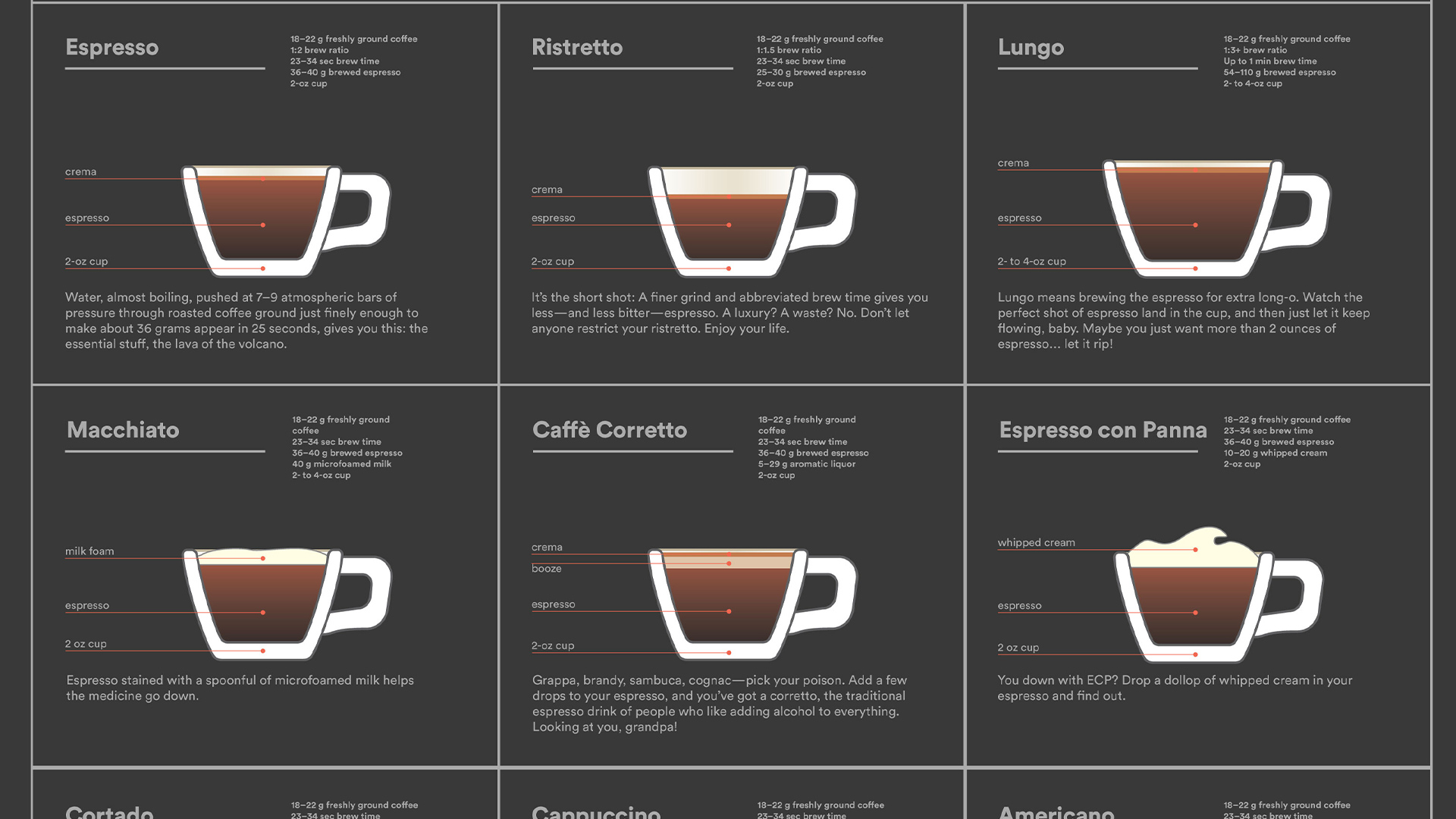 The Ultimate Guide to Espresso Drinks
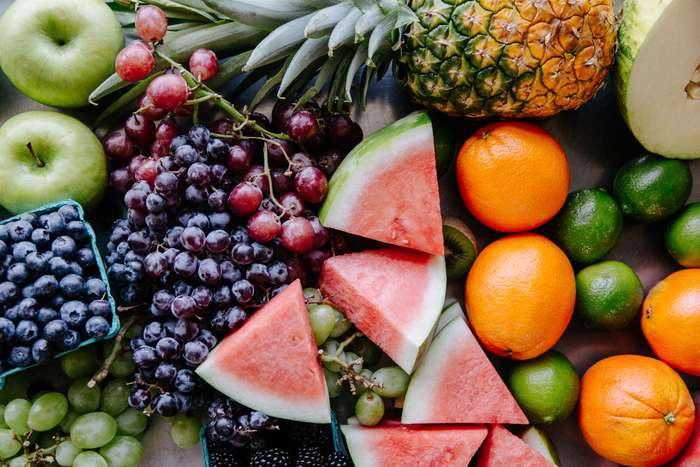 Tips & Tricks: Fizzy Fruit!
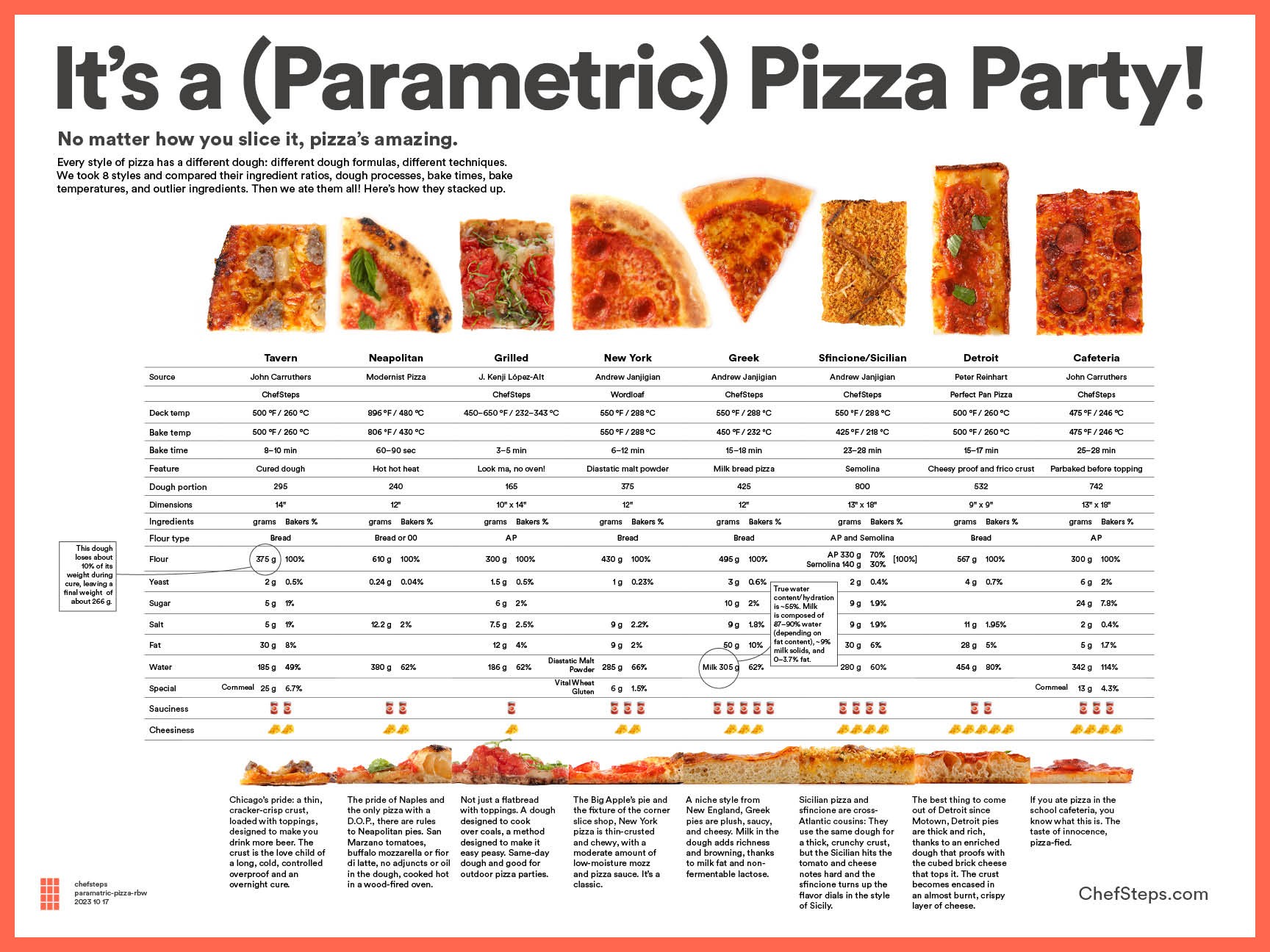 Pizza Doughs: A Parametric Analysis
 the Control Freak™ Home
 the Joule® Turbo Sous Vide
 the Joule® Oven Air Fryer Pro