Go to the Recipe: Simple Sous Vide Packaging
Douglas Baldwin suggests pasteurizing the fish at 140 degrees if you aren't sure that it's as fresh as possible. I assume that the ChefSteps folks went for the highest quality and freshest salmon possible. That allows them to use lower temperatures safely. http://www.douglasbaldwin.com/sous-vide.html#Safety
how safe is the fish at this temp?
The thing about saving to use another day. That is imperative for commercial kitchens. I have tried without success to find any useful information about this topic beyond the vague: "don't cook it as much to begin with and then sear it longer...."
It seems to me from this video and from other texts on the site concerning bags (and other sites, quick googling) that a good ziploc-type bag uses "food-friendly" plastics that can be heated (even in the microwave in some cases). It all depends on what type of plastic is used, and I think it's good to read up on a few safe plastic types and look for them. Check out: https://www.chefsteps.com/classes/cooking-sous-vide-beyond-the-basics#/bags-and-other-packaging
I've done that with salmon I've cooked before, without a problem. I ziploc'ed it to keep the moisture in, and nuked it on a low temp slowly at work. Not sure about sous vide though since I'm literally just starting.
To really get a great seal using a zip lock, stick a straw down one side of the bag and zip the bag up to the straw. Then submerge the bag in water and withdraw the straw after all the air has been pushed out by water displacement.
Im leaving in Malaysia. Can you give us some guidance in selecting zip bags? What kind of bags we can use and any particular specifications? Can we use those zipbags used for freezer?
I do the old school crock pot with a home made temp controller for my immersion cooking. I've only done salmon and tender beef steak thus far. I'm not completely sold on this method for salmon vs on the grill. This particular recipe seems to me to be too low of a temp to properly cook an al dente salmon that is flaky. I think more in the range of 118 is better and not a soft and almost mushy as this lower temp does. I found that burning the brown butter is too easy but maybe I was trying to multi-task too much with too many pieces of salmon. I will say that beef steaks sous vide then seared are awesome!
Had this salmon tonight and it was perfect. 3rd meal in the Sous Vide. Hubby thinks I'm a cooking genius ; ). love the videos and instruction...
I made this for dinner tonight with no idea that I'd watch the course videos or even that this recipe was in the course. It was simply delicious.
I noticed 2 things, the video just says "add coriander" which isn't really very specific. I toasted whole coriander seeds, then crushed them in mortar and pestle (and added some fresh ground pepper).
I just got an anova (and I'm thrilled with it) so I'm experimenting. I brined one fillet using cooks illustrated's suggestion of 9% solution for 10min, one filet exactly as in the video. I think the brined fillet was a little plumper and had slightly better texture,
if you're going to eat it right away, why is the salmon not seasoned going into the bag. Those are some beautiful filets, but at that thickness I would worry that the interior would lack seasoning? thanks
- originally posted by reckless randy
If u add lots of salt to bath water, water become more tighter and heavier, it will easier to work, salty water also leads the heat better, water conducts heat 23 times better than air. ;0)
- originally posted by Dustygecko Khanom
Can I hold the salmon In The fridge once cooked? Then bring it to room temp and finish it another day?
When the bag is pushed under water, the surrounding water forces the air out the top of the bag. If you keep the food beneath the water, then there is no need to seal because the air cannot push its way back in. But if you're going to remove the bag from the water, you should seal it first to keep air from seeping back.
Great course...very interestingIs the zipLock bag sealed...and is the air removed from it manually?
- originally posted by Kayvee
We often use Ziplock brand freezer bags. They are good all the way up to 100 °C / 212 °F.
What zip bags do you use and what is their temperature rating?Thanks muchly
If you were to hold it for an extra 10 to 20 minutes, it would be fine. If you start holding it much longer, than connective tissue will start to come undone and texture will change. So timing isn't critical, but you can’t leave it in the bath forever.
Holding being one of the main advantages of SV, how long can the salmon be held?
good stuff, thanks
- originally posted by Jason Lindsey
Yep, some of the stuff is basic, but we will be covering plenty of advanced stuff in the course. It's a fine balance to make this broadly accessible for any one who is interested in learning more about sous vide.
great. My girlfriend and I are enjoying it - even the "duh segments" as it's always good to re-visit the basics.
- originally posted by Stephen Pocock
Stephen, we're actively working on the course and will be releasing new content—roughly in order—every few days over the next two months. There is already an active group on our forum that is taking the course.
Interesting series. It has certainly piqued my curiosity about this process - I'll give it a try with some of the improvised methods. Any sense on a timetable for the rest of the course?
The oil is not, strictly speaking, necessary. It's to help prevent multiple portions in the same bag from sticking to one another as they cook. You only need enough oil to coat the surface of the food.
Is the large amount of oil used here the help with the air-displacement method? Would you recommend the same amount with a vacuum sealer? Is there a risk that flavours will leech into the oil and be discarded?
Hi Lachlan: a/n means "as needed", which means that these quantities are really up to your personal preference. Sorry for the confusion.
What does "a/n" mean in the quantities given for oil, salt and pepper? Is that supposed to be "n/a" for not-applicable?
Liz:Sorry about that, thanks for the catch. It was in the video, but I forgot to write it into the steps. We like 109 °F / 43 °C for salmon, but you might also try 113 °F / 45 °C or hotter depending on the texture you prefer.Chris
Where is the temperature given? 35 min at what temperature?
This site is intended for U.S. residents. We do not ship products or provide subscription services outside the United States.

 Sous Vide Holiday Turkey
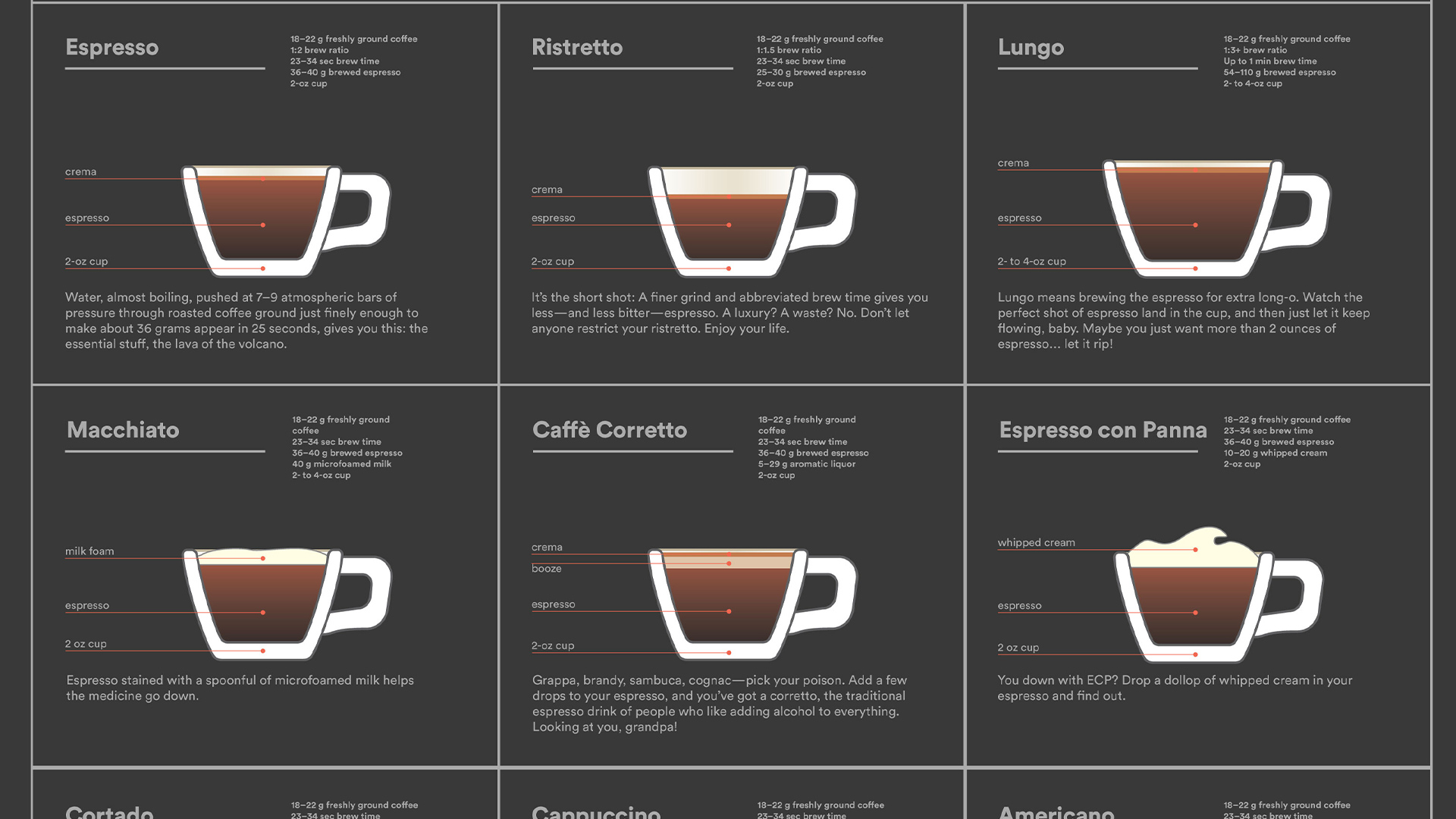 The Ultimate Guide to Espresso Drinks
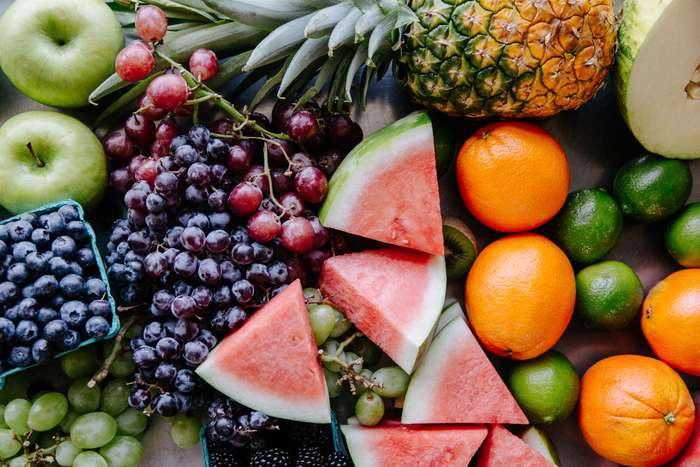 Tips & Tricks: Fizzy Fruit!
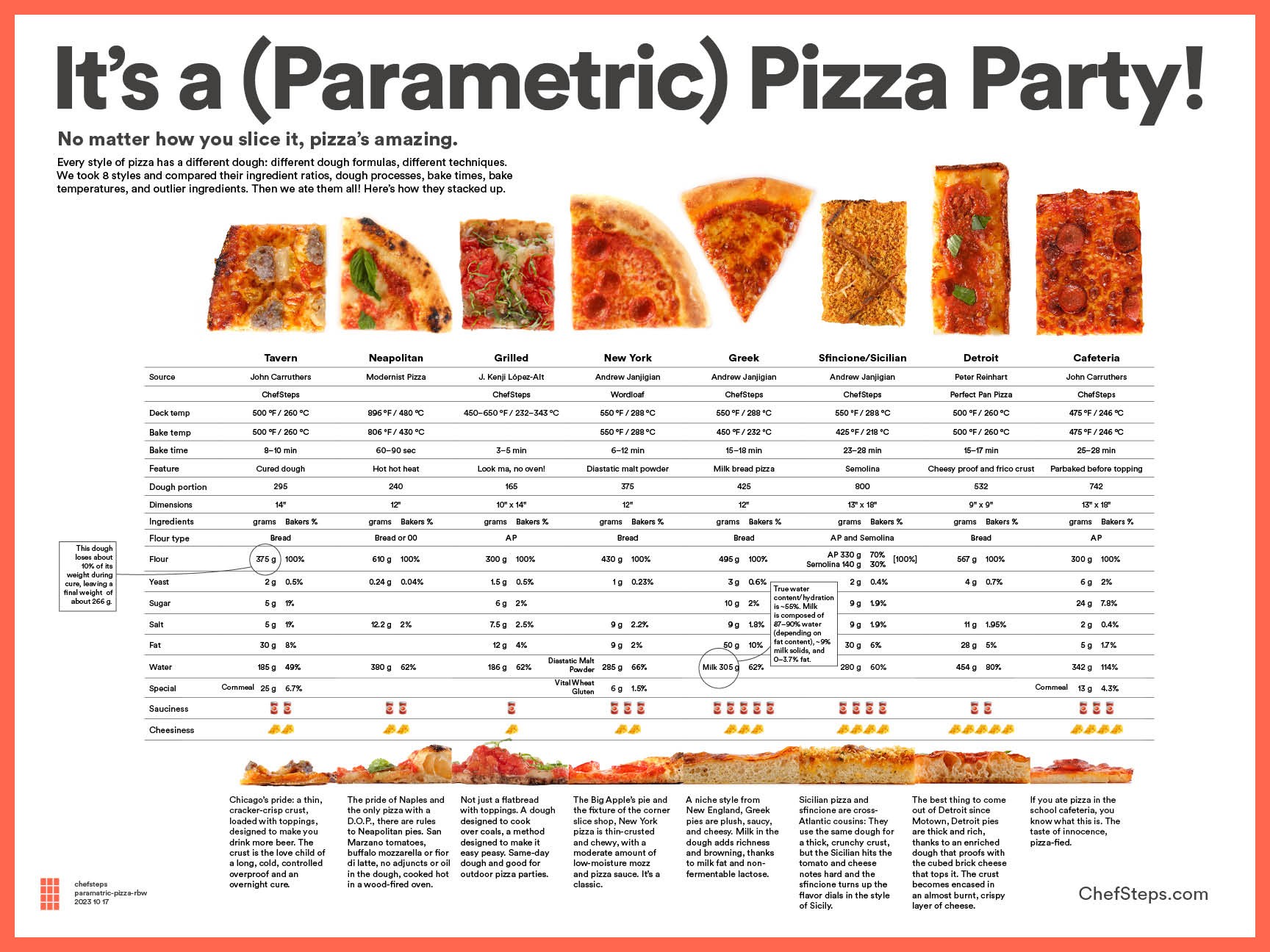 Pizza Doughs: A Parametric Analysis
 the Control Freak™ Home
 the Joule® Turbo Sous Vide
 the Joule® Oven Air Fryer Pro