Go to the Article: Sous Vide Time and Temperature Guide
your food starts to break down from the constant heat. you can technicaly leave it in past this point and it will be safe to eat, but for chicken for example, you get a fall of the bone type result.
What does the last call number mean?
I agree with you, and then no discount for those that own Joule(s).
$35 to print the temps? huh?
It regards to steaks, specifically beef tender loin, are the sous vide cooking times valid regardless of the number of steaks being cooked. We normally just cook two steaks and the recommended app cooking time are perfect for us. But now I want to cook 8 steaks. Would the cook time recommended by the app still be accurate?
FSIS Guidelines (USDA) say 69 minutes. Extra info: 69 mins causes a 5-log reduction that kills salmonella. There's a lot more detail if you're interested.
https://www.fsis.usda.gov/sites/default/files/media_file/2021-12/Appendix-A.pdf
These numbers aren't a hard and fast rule, but I would recommend starting with 120F as rare and 130F (or 129 as you've written) as medium rare.
I'm experimenting with a Wagyu Brisket MBscore 9 and have butchered into steak size portions. Due to the high fat content I'm think of trying to Sous Vide it, like a steak, but obviously for longer to break down all the connective tissue. They are only small pieces of meat, 400g at most, so do you think I would still need to sous vide for 24 hours for a rare/medium steak?
Dear team, for the basic steak in the Joule app. 129 is stated as Medium-rare, while in this chart it is rare.
so which is correct
What is the minimum amount of time a chuck steak needs to be in a sous vide bath that is at 131 F. In order to be safe for consumption ?
Hi Paul! The first green circle represents our favorite cook time for that item, and the second green circle is the "Final Call" which is the longest we recommend leaving the food in the water before pulling it out. The full green bar represents the ready time, so you could take the food out of the water at point of that time spectrum. I hope this helps!
Can someone please explain what the times in the green circles mean, and why there are multiple times and different lengths of the green bar?
Hi,
Thank you for this wonderful detailed chart. Although, I need to sous vide my extracts. I am making chocolate extract using vegetable glycerin and I need to speed up the process instead of waiting 1 year since its not alcohol based.
what is the best temperature I can chose?
thank you
Can anyone confirm how long to cook a 2 inch fillet steak Med Rare for 2 hour or 4.5 hours?
Not really. What a joke!
I've been making sugar free jams and marmalades and processing the cooked product in my sous vide at 195 degrees for 30 minutes. I have never experienced such excellent, 100% perfect seals. Been eating them for awhile now. Definitely superior to the hated boiling water bath method. Probably I'll get a lot of screams here, but my mom and grandma used to seal jams with paraffin! And the paraffin would get loose! This was before freezer and fridge jams. I think we are perhaps a touch paranoid. I would never eat anything where the seal was in any way not perfect. I wish you would investigate this approach, this has made my sous vide an essential tool for preserving.
I was wondering if anyone has information on cooking Duck breast medium (55° internal) that is safe and compliment with government laws? Most country's it seems you must cook it to around 65° to ensure it is safe for consumption. Anyone can help with this?
Your temps seem right on point, we like to cook ours at the same temp as chicken and that has turned out well for us, but we have also seen as low as 55°c for the loins as well.. As for the glycogen, I will have to dive into some research on that but haven't come across that yet. The biggest impact we have ever found was the quality of the freezing. We have also never had the pleasure of finding fresh rabbit. hope that helps.
Thank you for your answer. The part I cooked was the saddle I cooked it at 65 until the intern temp of 63. The meat was frozen so may be not frozen properly. But I had the same problems with fresh rabbit legs before and I read it’s cause of the glycogen and the rabbit get more sour than other animals after it has been slaughtered . Do you know anything about that ? How should i do to get the right texture ?
Thank you
Hi Robin, what part of the rabbit are you cooking sousvide? I am assuming the leg. If you can provide me some more information I might be able to help you work this out
1. Was the rabbit previously frozen? I have had issues with this in the past even using traditional braising. If the meat isn't properly frozen and thawed it gets the way you are describing yours.
2. What time and temperature did you use already?
Thanks. Let me know.
Could you tell me how should I do to cook rabbit and dear sous vide with out getting this spongy cottony texture?
My iPad does portrait just fine...maybe change your settings
Screen shots work
Could someone tell me if you have made caramel sauce with sweetened condensed milk? If so how long and at what temperature please? Thanks!!
You seriously have someone selling the chart for $36? And you make it blurry so I can't take a screen shot? What's wrong with you people?
You seriously have someone selling that chart for 36 bucks? What's wrong with you people?
Dry rub before... Mop or sauce after when you sear or torch... That's working well for me in terms of flavor profile and helps make vacuum sealing easier.
Goat has a lot of collagens to break down. I'd treat it like "tough cuts" of beef. Especially if it has bones in. I'd do the same for a haunch of goat as I would for a beef chuck roast or rump roast.
Is there any scientific explanation how texture is determined by a certain combination of timextemp?
All these suggestions seem likely to be based on subjective review
Link has been updated.
I assume that it depends on the thickness and cut (end result).
SV says to defrost, add 50% to the SV time.
I would like to know!
Has anybody tried goat? What would be the time/temp for goat stew meat?
Not there anymore
How much time comes up a lot on food blogs when SV is the topic. You can measure temp while cooking SV. There are three ways that I know of. The easiest is to use a very thin film seamless bag and put a probe in the meat and run it up out of the bag to the monitor. Put the meat in the water and the bag will collapse against it . You can real time monitor that meat. You can get an SV probe from a seller like thermoworks and some closed cell adhesive foam ( often used for insulation purposes but sold as an SV accessory at thermoworks ). Put the meat in your bag and vac if you choose. Clean a spot on the bag with a dry paper towel and stick the foam on that spot and penetrate with the probe. Position probe at the meats center and SV away. Will not leak. The last method is over the top and I don't think anyone will employ it. I bought a very small probe thermometer and coated it with clear silicone in a degassing chamber. That gave me a waterproof ( submersible ) thermometer. Stick it in the meat and put both in the bag. Vac it if you like and read the thermo through the bag.
I was taught the same thing as well but the discipline has made some advancements. Salting in advance is preferred if you do it in sufficient advance. 1 or 2 hours will not cut it. For a steak do so the day before you're going to cook it. The salt does as you say draw out fluids but if left alone that hypertoninc fluid will be drawn back in via the same osmotic forces that pulled it out. That will season the meat throughout. Adding pepper in advance is flat out dumb. It scorches and tastes awful when cooked.
As far as all the wizardry goes..forget it. The "science" stuff just makes food to damn salty.
How much time would you add to venison tenderloin if you start them frozen?
As a trained chef I was always taught to season at the end. For 2 reasons really, the salt draws out liquid which you're trying to avoid and it affects the bundles of collagen detrimentally. Secondly you want to check the full flavour after cooking and can't really do that before. Salt is strong enough without it being concentrated!
Here it is, @Marc Pujda: A Map of Sous Vide Cooking
Here you go, @Andrew Depew—Meat cuts.
what is the link for the meat cuts page?
The recipes all say how and when to season. I tried putting a cut onion in with my roast, as I do when baking, and the onion was overpowering. It ruined the roast.
there are lots of recipes out there, so there be be one you like better. I did a whole tip of the round roast in 20 hrs. It was wonderful. I got it from another site.
When I printed, it cut off the right side of the page, AND it doesn’t have the same page breaks. It SEEMS to want to print in landscape, rather than portrait, and my iPad doesn’t allow landscape options. It's been like this since I bought my joule. I think the chart should either be inside when you buy the Joule, or this should be in a PDF for printing in portrait!
Update: I took screen shots of each page and sent them to my "Notes" app. I printed it from there and it worked! I'm keeping it handy in my kitchen!
Is there a download for this chart? Also, regarding fish, can you elaborate for shellfish (shrimp and lobster in particular...)
24 hours for a top round steak...is that correct?
Hey ChefSteps team - do you still have the "Sous Vide Cooking" map available to download? Thanks.
nobody says anything about seasoning, pre or after?
check out the meat cuts page, it will give you all the times and temps for each cut.
2.3 pound tri-tip how long to cook medium rare
Where are the replies to the comments?
I can't understand your time chart. Also, it seems to be different than the times on the App. Can you explain how to read the time chart? Thanks
for more info about Sous Vide, check my instagram @sousvide_;thi
same thing, with our without bone. for more info check my instagram @sousvide_;thi
i would say for 3 hours up to 5 hrs, for more info check my instagram @sousvide_;thi
i find your time chart confusing, i want to cook 3.5 # beef tenderloin to medium rate, how much time would you estimate it needs to cook?
We’d probably go with one reheat after cooling down with an ice bath—depends on the product. HACCP requirements are going to vary from county to county.
You could always leave it going for an extra hour, and you will only make it better.
For steaks, does bone-in or boneless matter? I have a 20oz Frenched ribeye, so I'm wondering . . . ?
If you were cooking sous vide in a restaurant setting with roasts and tough cuts how many times, if any, would you be willing to reheat portions if you cooled them down with an ice bath at the end of the night? I'm also working on HACCP plans and trying to figure out how to write them for items that are sous vide. With food that is sous vide does that mean the food is pasteurized? If so at what point does it become pasteurized? Any idea where I would find good material to help me with this process?
This site is intended for U.S. residents. We do not ship products or provide subscription services outside the United States.

 Sous Vide Holiday Turkey
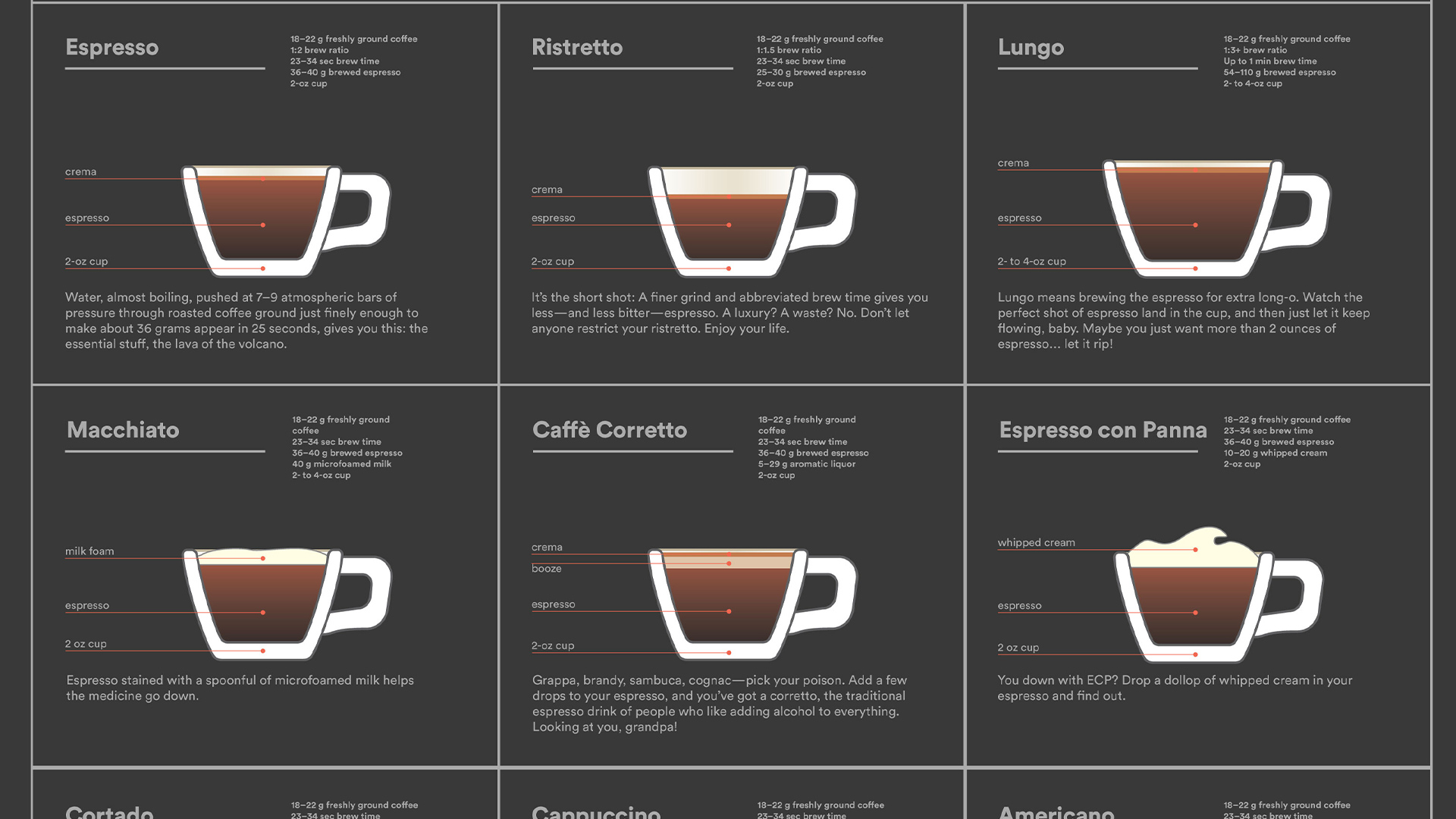 The Ultimate Guide to Espresso Drinks
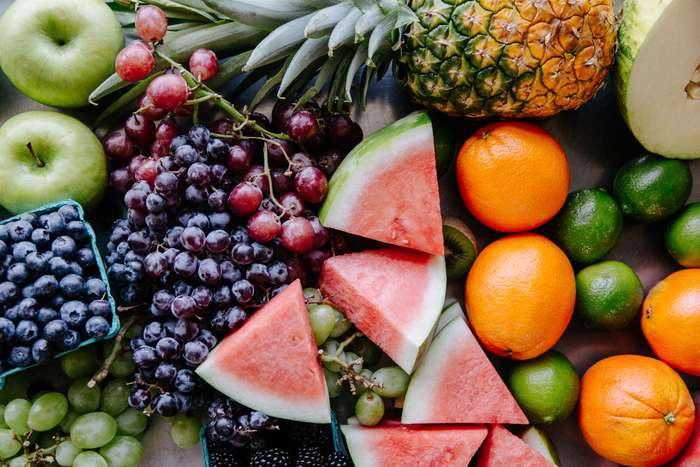 Tips & Tricks: Fizzy Fruit!
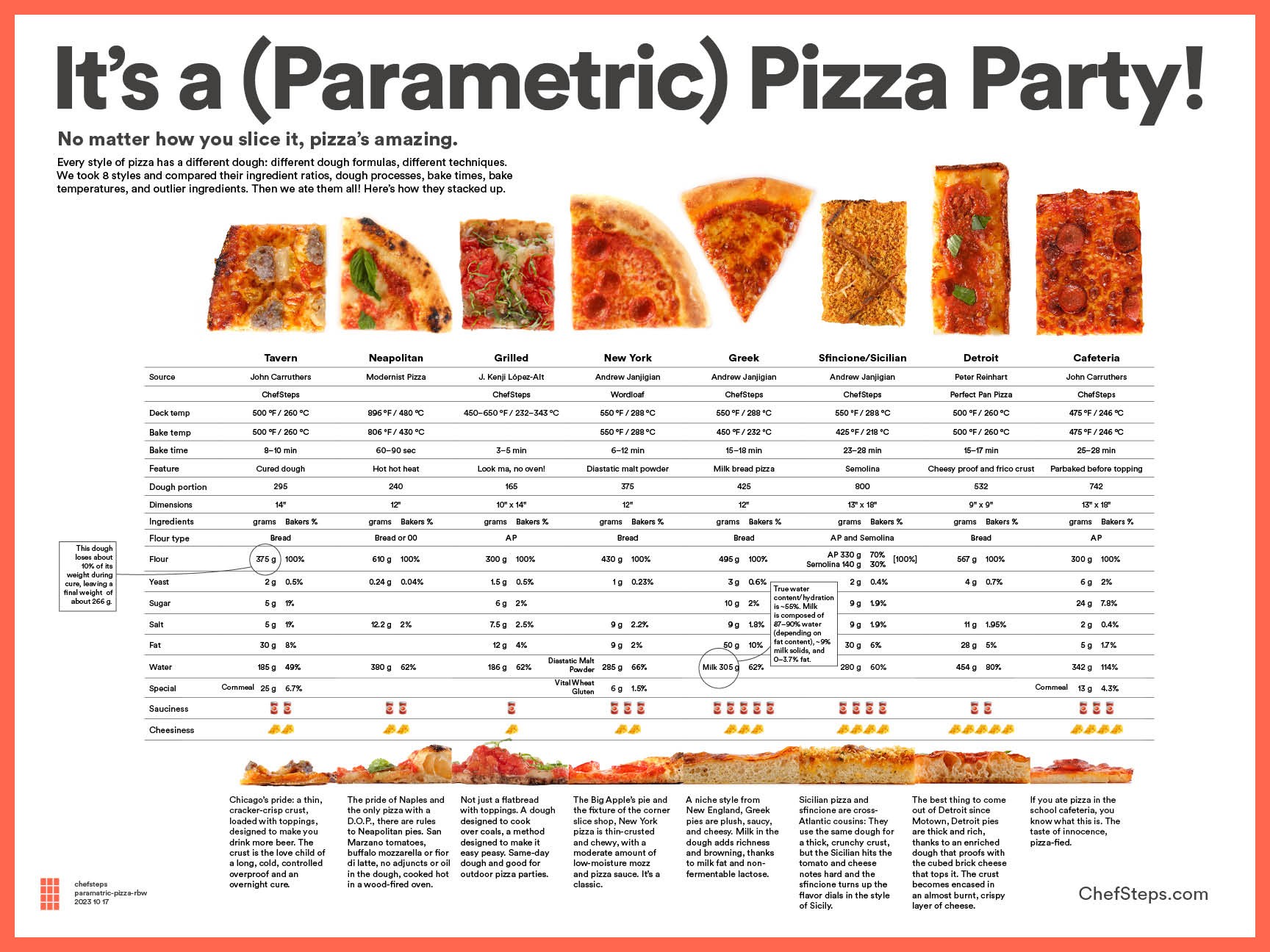 Pizza Doughs: A Parametric Analysis
 the Control Freak™ Home
 the Joule® Turbo Sous Vide
 the Joule® Oven Air Fryer Pro