Go to the Recipe: Smoked Barbecue Pork Shoulder
Yo, you might want to edit the bit about your Carolina BBQ Sauce, since apparently those that called you heretics for the "yellow ballpark stuff" won the argument.
Hey Fred, I do my pork butt a bit different.I sous vide the whole butt at 160 degrees for 24 hours. I reserve the juice then an ice bath and then in the fridge for up to a day or two. It takes about three hours on your pellet grill at 300 degrees to form a nice crust and warm the meat to about 165. You will notice that the fat has been rendered out at the sous vide stage. If you have cooked a butt strictly on your pellet grill, you will notice that the fat is almost completely gone. I would say about 5%is left.
If you reserved the juice from the sous vide stage and separate out the fat, I'll take that juice and add some salt, pepper, garlic and a variety of spices and simmer on the oven. It may reduce a bit, but just give it a stir every once in awhile. When you pull the butt and start to shred it I throw it into a crock pot to stay warm. Add that juice and mix in with the meat. It will keep the meat moist and tender. I have also add a bit of bbq sauce, just for an added flavor. I don't let the bbq sauce dominate the taste of the meat. I will take a variety of sauces and let people choose whatever sauce they prefer to add to their meat.
Some say to smoke it first then sous vide. I think you lose the ability to make a good bark and the ability to add some rub before you smoke it. You may need to add a coat of mustard before applying your rub to make sure it adheres to the cold butt.
This way, you are not under the gun to have the butt ready at a certain time. You have done the majority of the cooking before hand and have a three hour time frame the day of the cook to get it ready to eat. Good luck!
OK, but how would this work in a pellet smoker? Or will I be run off the ranch for suggesting it?
A fantastic explanation of collagen-to-gelatin conversion, the “stall”, and approaches to realizing faster. heat transfer rates.
i try to smoke fresh eel by just curing use 1 : 1 salt and sugar and a pinch of ground white pepper for 20 mins, after smoked i found the there a little sour taste . Anything i do wrong in the process??
Can I use this same method and recipe on a beef chuck?
yes you can sous vide it first. In my restaurant we sous vide steaks, large cuts of meat, then finish in the sauté pan or grill or oven. I did a pork shoulder bone for 24 hours sous vide at 68c removes from bag. Dried. Rubbed in oil then put on charcoal grill until the outside was crispy. About 20 minutes then removed it let stand for 10 minutes then started chopping it up to serve.
a large chef knife 10-12 inch blade.
As long as you get the internal temp up to 68 degrees again and cook for at least 4 hours you should be fine. You can always contact your local heath department and ask them for a link for parasite destruction chart with time and temp on it.
Does anybody knows which knife is he using to cut the meat? I NEED THAT KNIFE!
Would really appreciate help from the community here - I put a lovely piece of Pork shoulder in the bath last night at 68c for 24 hours but when I woke this morning joule had turned off - water temp was 31c. I suspect I may have set a one hour timer when setting the temp so after one hour it thought it was done and switched off. I turned it back on and plan to let it soak for 24 hours at 68c - my question is , is it safe or would the meat be dangerous after remaining in the cooling water for > 10 hours ?
Turned out great!
You have a range: from 250°F-275°F. try using a dish of ice in the smoker, and adjusting your vents as needed to control the air flow. Certain electric smokers also have a pretty good temperature control capacity. I hope that helps.
cooking is about time and temperature. the lower you go, the longer it needs to cook.
Question: as a newbie I am unsure how to keep the temperature at a steady 275. Any instruction on that?
The meat temp is going to rise past 167, that is no problem at all. Many would tell you that the shoulder is done when it reaches 195 degrees.
The point of the instruction for keeping it at 164 for 6 hours is the collagen to gelatin conversion process in part and bark/crust development. Basically there are two things going on that are the reason for the instruction to keep the meat cooking at 167 for a long stretch.
First, once above 140 or 150 the collagen (tough connective tissue) begins to convert to gelatin, which gives pulled pork its sticky unctuous mouth feel and makes it tender rather than tough. This process accelerates as temperature increases but only to a point (which is why the heat is at 225 not 450). So the instruction to hold around 167 for six hours really means that you are giving the meat time for all that conversion to take place. But fact is, the meat temp is going to rise beyond it. The point is that the time above 160s needs to be LONG to get a full conversion and have great barbecue.
Second, around 160 you hit the famous stall. What happens is that many BBQ pork shoulder recipes used to tell people to cook to 195 or so. But when monitoring temperature people would notice that the meat would reach about 160 and then the temperature would stop increasing. This prompted much angst and people would do crazy stuff, crank up the heat, whatever trying to get the temp to keep going up. What no one understood is that around 160 the meat is undergoing evaporative cooling at the surface level. Surface moisture is evaporating and causes a cooling effect which keeps the temp at 160. Eventually (as in after several hours) the surface moisture has evaporated and a dry bark or crust has started to form. At this point, the temp begins to rise again. (Thank the amazing Nathan Myhrvold for this discovery).
The point of the chef steps instruction, I think, is to get away from fixating on a final temp of 195 and instead to focus on the # of hours above 167 as the metric for collagen conversion (which was the point of reaching 195 anyway). Along the way, you will pass through the stall and develop a dry and oh so tasty crust.
For point of reference, if you keep the inside of the pit really moist (in theory near 100% relative humidity, you should get a much shorter stall and faster heat rise but a moister surface. You can also create 100% relative humidity by wrapping the shoulder tightly in foil when it hits 160 which will do the same thing and at 100% relative humidity (like the inside of a sous vide bag or combi) and you get much faster cooking because steam is a fantastic conductor of heat, much better than dry air.
Does that help?
The recipe or video never states lowering the temperature of the smoker down after reaching an internal temp of 167. How can you hold the pork for another 6 hours at an internal temp of 167 if you dont lower the temp of the smoker down from 275 degrees in the smoker? The internal temp will clearly rise if the surrounding temperature is higher than the target internal temp. I have tried this recipe several times as it is instructed and it never works.... The internal temp always rises past 167 if the smoker is maintained at 250-275 degrees. Was something not explained correctly in this recipe?
I am down with the quote "But our barbecue religion isn't about tradition; it's about taste."
I'm surprised that you don't aim for a higher internal temp. I've found it's still a bit tough if I don't get it up to at least 190.
That means I shouldn't have s water pan in the smoker?
I have the same issue. The temperature keeps going up slowly but steadily.
Did you take the skin off? Here in Germany we get it with the skin on, too. That is mostly because many German recipes crisp the skin and it is highly desirable.
Is it preferable to leave the dry rub on for a while before putting it in the smoker? Or does the slow cooking process negate the need?
Does the pork shoulder have the skin on or is it removed? Here in NZ all the pork shoulder comes skin on. Cheers
Man, when that juice came out @1:02 my hunger level immediately shot up by about 25x.
dude.... yes.... It's the same concept with any piece of meat with tons of connective tissue. You need to convert the collagen to gelatin. That takes time and heat. for this texture, sous vide cook @ saaaayyy 185 F for idk..... 10 hrs. You'll probably want to sear it in a hot oven or grill to simulate the crust but I'd advise you to cool the sucker in the bag first so it is easier to handle putting it into the oven and so you don't dry it out. Also, yeah, go ahead and use some liquid smoke in the bag since you can't actually smoke it (maybe try using the indoor rib recipe on this site as a guide). All of this is just based of intuition. This website is trying to help you understand the underlying concepts that make these recipes work.
Why no resting time?
How does one manage to hold the core temperature at 167 for at least six hours in a 250+ smoker? Even with a stall, I would think the temperature would increase above 167 at some point. Is there a target final internal temperature?
Would it help if I mix in some sort of liquid smoke with the dry rub before sous vide or should I even use a rub? What temperature should I set it to? Something similar to a short rib to melt stuff down?
You can certainly cook the pork shoulder until tender and flaky, but you won't have the crust or the smoked flavor. Mixing in a smoky bbq sauce would help.
Can this be done sous vide instead if you don't have access to smoker?
You can brine it, we prefer the texture with no brine. Its a bit softer on the inside and thats a nice contrast with the crust.
- originally posted by Grant Lee Crilly
The high temperature works IF the smoker is at a very low humidity, which means the meat sweats a lot, which effectively cools it and hold it at a much lower temperature (this is what causes the "stall"). The surface temperature eventually becomes much hotter, and develops that extra dark bark, but our core temperature spends most of the cooking time in the mid to upper 70C range.
why no brine?
I'm surprised at the 275º. I go exactly 210º the entire time (digital, pellet fueled Green Mountain), and pull it from the heat at 195º internal temp. Heavy heritage breed butts, bone in, 10-12 hours is probably what it takes for me at that temp. I also use a South Carolina style mustard sauce that while it does include standard prepared mustard, also some sugar, celery seed, dry mustard. I'll make your mustard sauce next time.
This site is intended for U.S. residents. We do not ship products or provide subscription services outside the United States.

 Sous Vide Holiday Turkey
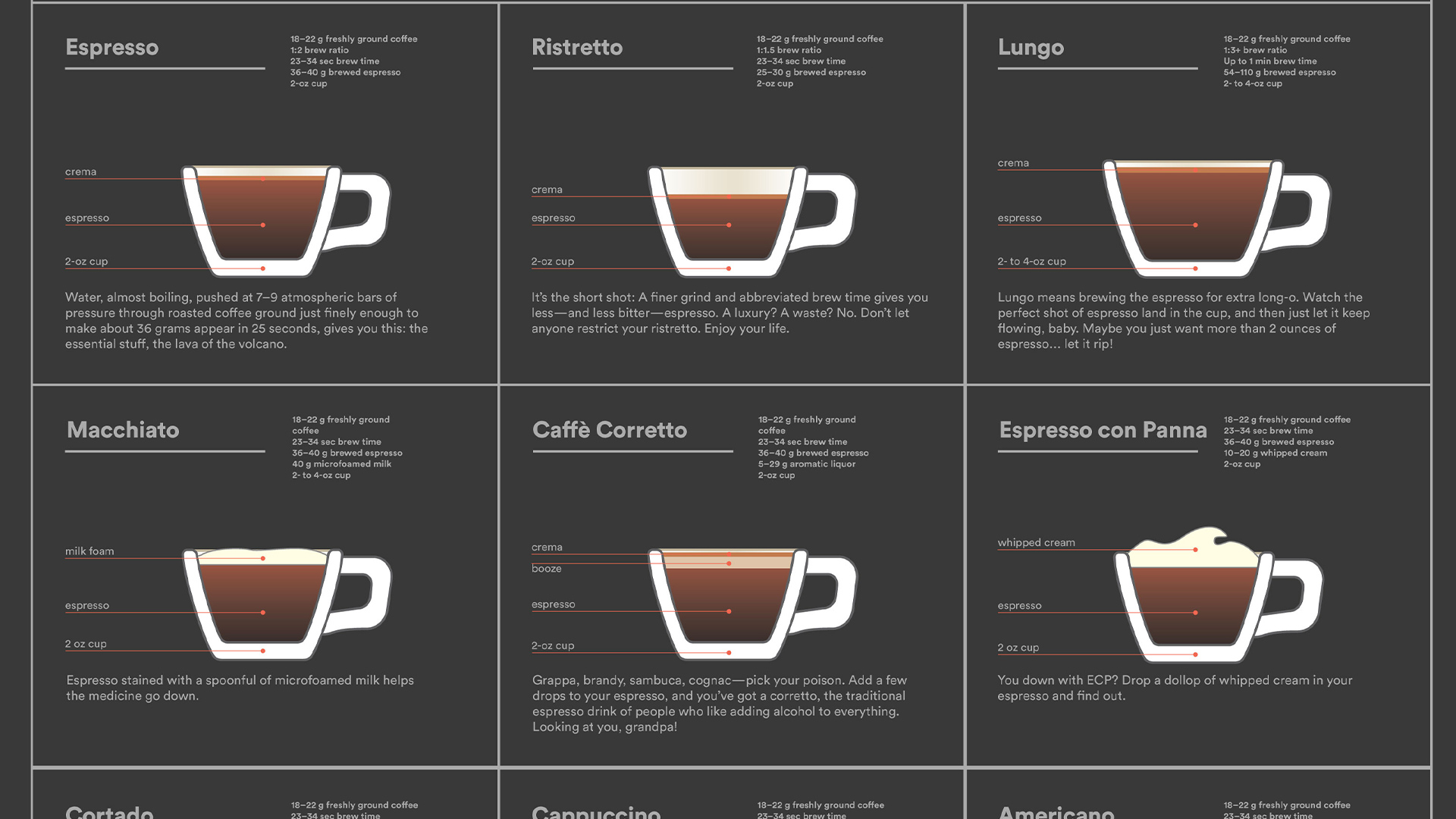 The Ultimate Guide to Espresso Drinks
 Tips & Tricks: Fizzy Fruit!
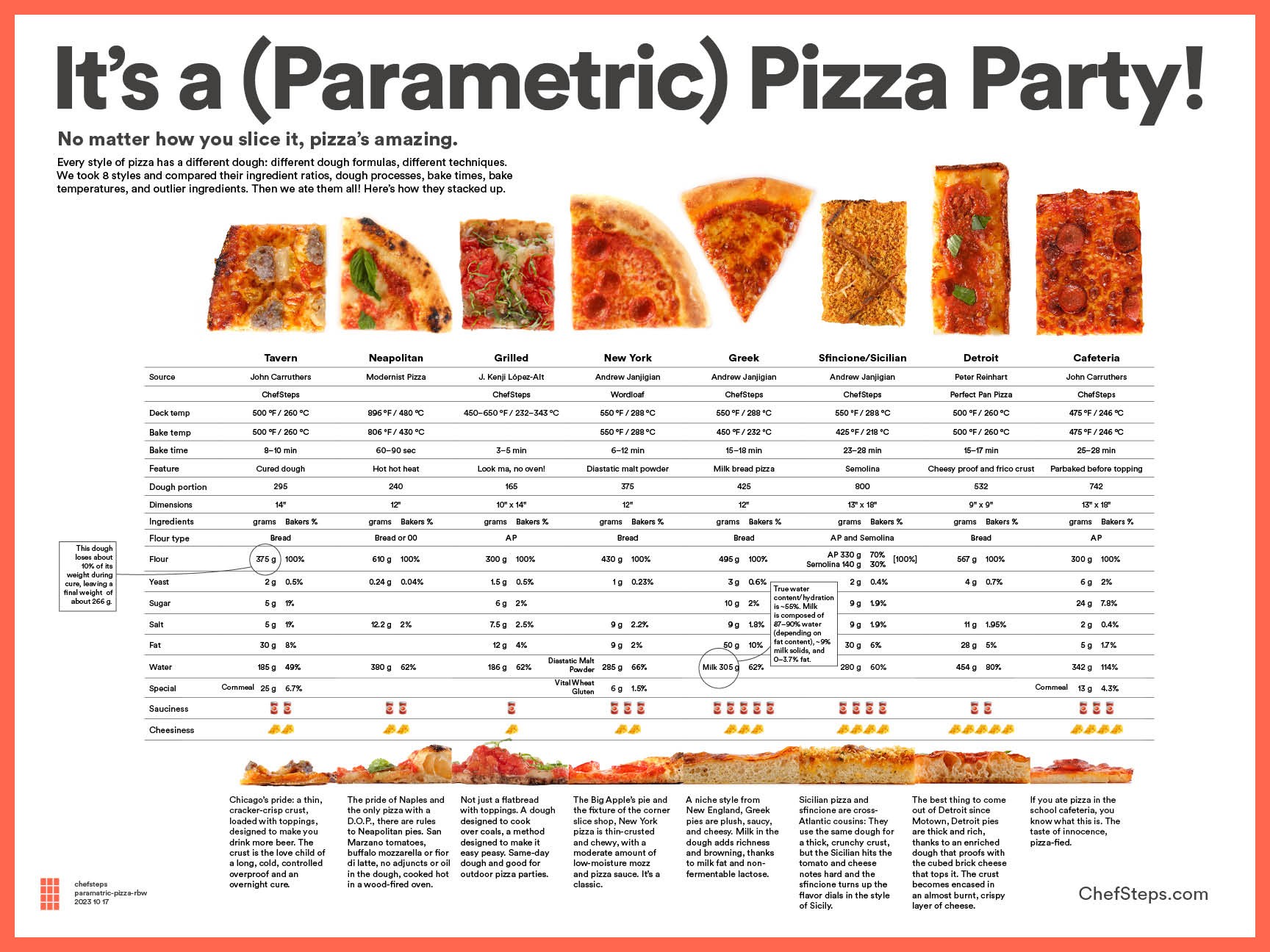 Pizza Doughs: A Parametric Analysis
 the Control Freak™ Home
 the Joule® Turbo Sous Vide
 the Joule® Oven Air Fryer Pro